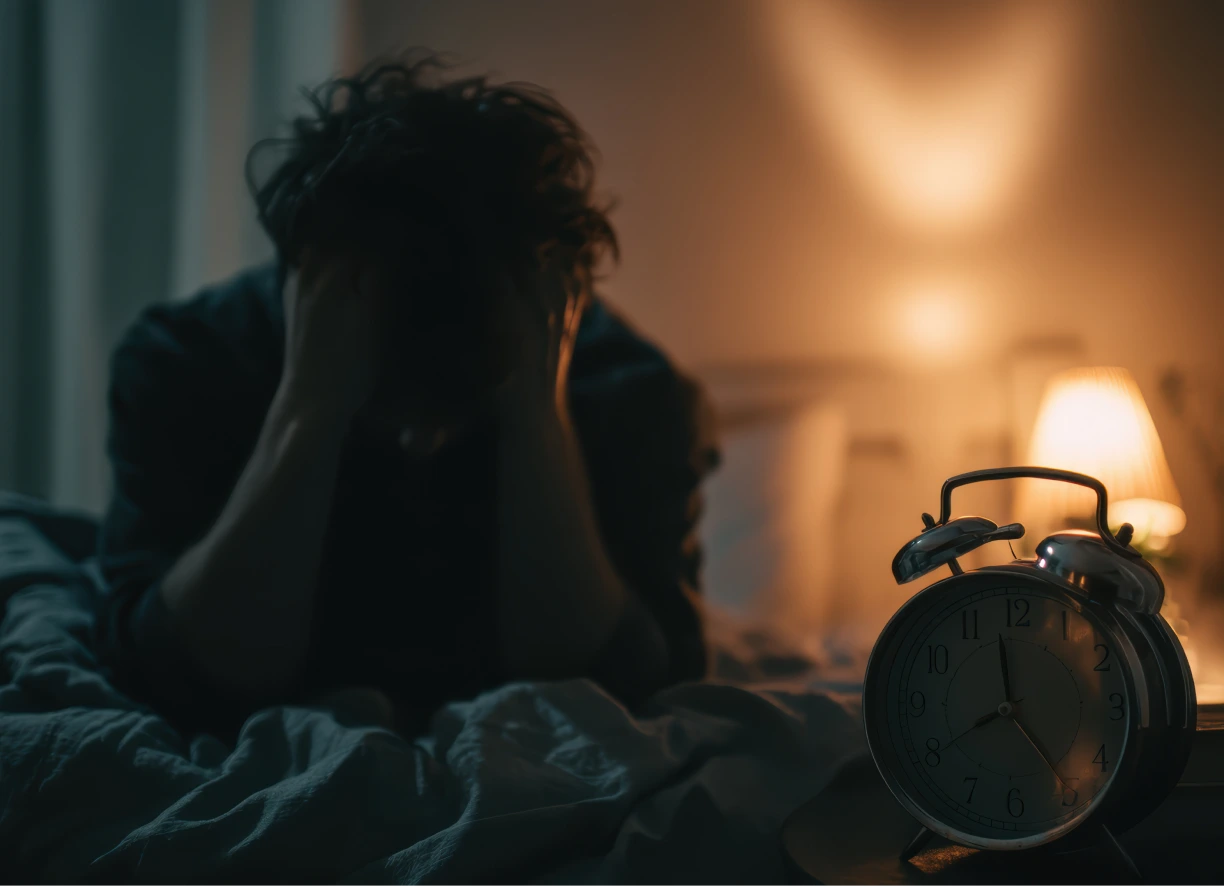
Many people have a perception of substance abuse residential treatment: you stop everything and go away for a month. You notify your employer, make arrangements for your children, and then come back as a new person. For someone balancing work, childcare, and family responsibilities, stepping away from everyday life for several weeks can feel overwhelming. Arranging time off work, finding someone to care for children, and managing household responsibilities may seem difficult or even impossible. These practical concerns can make people hesitant to seek treatment, causing them to put off getting the help they need.
This is not the only way to go through rehab. Outpatient treatment is a full-fledged clinical management process that can be performed while a person stays at home and that, for many people, is more suitable. There are numerous benefits to outpatient treatment which are discussed below. It is also important to note that there are many reputable outpatient facilities such as River Oaks in Tampa, FL.
Recovery Has to Survive Contact With Ordinary Life
The key point is a clinical issue rather than a financial one. One of the ways that residential treatment can work is through changing the patient’s environment. The change of scenery has its merits and drawbacks because the knowledge gained there needs to be implemented in real-life situations outside the treatment center.
Outpatient therapy avoids the problem of implementing skills learned during therapy by presenting them right away in the patient’s usual environment and correcting mistakes immediately after. The lesson given in the evening can be practiced the very next morning. Therefore, the flaws in the lesson could be corrected right after learning it, and not weeks later.
This explains why outpatient therapy is sometimes considered easier. In many respects, it is even more difficult, as there is no one responsible for removing the temptation from the patient or stopping them from indulging their desires.
What the Hours Actually Mean
Outpatient care consists of several levels based on the number of hours provided in a week, each of which greatly differs from the other. For example:
- Partial hospitalization, also referred to as day treatment, involves over twenty hours of treatment every week, which is similar to inpatient care, but the patient goes home to sleep.
- Intensive outpatient requires patients to complete a minimum of nine hours of treatment in a week, which is done at times that fit their schedule, be it during the day, before or after working hours, or on the weekend.
- Traditional outpatient provides less than nine hours of treatment in a week, usually employed for rehabilitation and maintenance purposes
Twenty hours of treatment weekly is not a trivial amount. In fact, very few patients who participate in one weekly counseling session would match the number of hours spent in day treatment in four months.
There Is No Cliff at the End
The riskiest day in residential rehabilitation is the last one. Instead, outpatient treatment operates on the principle of tapering. Outpatient therapy is not an end point. According to SAMHSA (Substance Abuse and Mental Health Services Administration), treatment is most effective when provided within an ongoing care arrangement, with the intensity of services tailored to the individual’s needs and adjusted as needs change.
In real life, there are variations to this treatment. For example, an intensive withdrawal program may last a week or more. A thirty-day program may include a full therapy program and is implemented through outpatient or inpatient treatment. Finally, longer programs may last two months or more. The pattern of change depends on the previous level or stage of treatment.
What Actually Happens in the Room
At this level, an effective program integrates both individual and group counseling with planned skills development, rather than engaging in lengthy discussions. Some of the approaches involved include cognitive behavioral therapy, dialectical behavioral therapy, motivational interviewing, and rational emotive therapy, among many others, including family therapy, anger and pain management, as well as yoga and mindfulness.
The content of training being delivered is typically concrete, focusing on:
- Development of proper coping methods for dealing with stress, boredom, and conflicts
- Creating boundaries in relationships where the process of recovery starts to break down
- Teaching about the disease of addiction as a part of knowing how to interpret one’s own actions
- Relapse prevention plans are tailored to the real-life situation in which someone is returning that night after a session.
Many programs also offer outings regularly. It may sound like a luxury activity. However, it is not the case. Addiction usually builds one’s social life, and those people in recovery will have to make a choice between sobriety and socializing unless a program is doing something to change that.
You don’t have to upend your life
The practical benefits are the ones people think of first, and they are real. A person keeps working, which means their income continues, and their job is still there afterwards. A student stays enrolled. A parent keeps their children in their own home and their routine intact. Nobody has to be told anything.
Scheduling has adapted accordingly. Sessions commonly run before or after work, during the day, or at weekends, and virtual options exist, with some providers running online evening groups several nights a week. For someone whose obstacle to treatment is a shift pattern or childcare rather than motivation, this flexibility can be the difference between attending or not.
The Money, Stated Plainly
Outpatient services usually cost less than inpatient services since room and board are not part of the outpatient care process. Here are some additional pointers to keep in mind before making any calls for any outpatient service.
Care from in-network providers is generally cheaper than care from out-of-network providers. Many medical providers have contracts with the major health insurance companies such as Aetna, Ambetter, Blue Cross Blue Shield, Optum, United Healthcare, Humana, First Health, and TRICARE. In many cases, coverage will apply to outpatient services, inpatient services, and addiction medications, but this is determined by the policy. If the deductible has been met for a specific year of coverage, then this means this is the best time to use the benefits of your policy. Anyone looking for outpatient services will also find that many providers offer financing options and payment arrangements; admissions staff will usually perform a benefits check before committing to any admission.
When It Is the Wrong Level
Outpatient treatment is not appropriate in all cases, and a provider that indicates otherwise is being dishonest. In general, outpatient treatment works best for those who:
- Have no medical detox needs, or have undergone detox already
- Do not have co-occurring issues that warrant constant supervision
- Have a home situation that positively contributes to recovery rather than undermines it
- Have reliable means of transportation and can be consistent
That third point is more important than anything else in terms of outcome. If the home situation is itself part of the issue, outpatient care is about repairing the damage done since the previous session; a higher level of care would be more appropriate.
How to Judge a Programme
It’s important to check accreditation. Organizations such as the Joint Commission have a published standard of care. It is also important to inquire about the staff qualifications, which types of therapies are administered as opposed to those that are merely on the list, the procedure regarding the step-down, as well as the process of moving to the next level. People from established operating organizations are usually available at any time of the day, and the first conversation in this regard is usually free.
Practising Where It Actually Counts
The greatest support for this degree of assistance is not versatility or cost, valuable though both may be. It is that the skills are developed in the environment where they will be applied. A person who has coped with a long commute, a difficult working day, and a dinner with the family while being in treatment has proof of their capability to do so, gained in the only environment where that proof is useful. This gives them a type of confidence that is different from simply finishing the program and wishing for something positive to happen.
What happens next?
Once the substance abuse treatment programme has finished, what can the patient do next to avoid relapsing? Although the tapered nature of outpatient treatment should make ‘staying on the wagon’ easier, there will still be tough times ahead for most patients. One option is seeing a psychiatrist. Telemedicine is extremely convenient, appointments can be done from your home and as such are much less disruptive to your daily life than in-person visits. Established providers such as GABA Telepsychiatry offer virtual appointments in Florida and several other states and have board-certified psychiatrists very experienced in treating substance abuse and addiction. This continued treatment can make the benefits of rehab more effective and long-lasting.