Neuropsychiatrist Near Me

Neuropsychiatrist

A Board-certified Neuropsychiatrist provides online neuropsychiatry services and second-opinion consults.

A Neuropsychiatrist can have a psychiatry or neurology background and must be certified by the American Board of Psychiatry and Neurology.

A Neuropsychiatrist must be proficient in:

  • Neurology
  • Psychiatry
  • Neuroanatomy
  • Physiology
  • Pharmacology
  • Biochemistry
  • Genetics
  • Endocrinology
Neuropsychiatrist Must be Proficient

ONLINE NEUROPSYCHIATRISTS AT GABA TELEPSYCHIATRY OFFER PERSONALIZED TREATMENT PLANS TAILORED TO YOUR NEEDS.

Our Trusted Clients
double_quotes_icon
I am very happy I have found a Dr Reddy , since she is really good and has help me a lot . She has listen to all of my concerns and prescribed the right medication…Read More

and practical solutions greatly improved my mental well-being. Appreciate the convenience and professionalism.

Katherine V.
Yelp Reviews
double_quotes_icon
I had an excellent experience at Gaba Telepsychiatry. I believe Dr.Reddy is one of the best board-certified psychiatrists. She is caring, kind and a great listener. In addition to this…Read More

Dr.Reddy has been extremely supportive, punctual and she made sure all of my concerns were addressed. Likewise, she did an in-depth evaluation and I am highly satisfied.

Hailey B.
Yelp Reviews
double_quotes_icon
Really appreciated how my particular case was handled with true care. As I opened up about my issues truly felt like I was being heard for the first time in a while and was extremely satisfied…Read More

with how quickly and efficiently my issues were taken care of. Highly recommend!

M. P.
ZocDoc Reviews

What is the difference between a psychiatrist and a neuropsychiatrist?

A neuropsychiatrist practices medication management and psychotherapy just like a regular psychiatrist. However, a neuropsychiatrist will use a biological approach based on brain structure and biochemistry.

For example, in the treatment of depression associated with microvascular disease, a neuropsychiatrist may look at the MRI to ascertain parts of the brain affected, which may be causing symptoms.

While a Neuropsychiatrist may be trained in psychotherapy, a Neuropsychiatrist will have a special interest in treating psychiatric symptoms from a neurological, anatomical, and physiological perspective.

Common characteristics of a neuropsychiatrist include:

  • Neuropsychiatrists are mainly specialized in brain and behavior relationships.
  • Neuropsychiatrists complete their training in neurology and psychiatry.
  • Neuropsychiatrists commonly use neurological tests and psychiatric evaluations.
  • Neuropsychiatrists treat neurological conditions like dementia.

GET PROFESSIONAL NEUROPSYCHIATRIST SUPPORT FROM THE COMFORT OF YOUR HOME, AS WE DELIVER COMPASSIONATE CARE ANYTIME, ANYWHERE.

What are the advantages of consulting an Online Neuropsychiatrist?

For individuals suffering from neurological conditions, a neuropsychiatrist can offer an integrative approach and treat both psychiatric and neurological conditions. Neuropsychiatry is a special area of interest, and not all psychiatrists are comfortable looking at the brain from a neurological standpoint. Likewise, not all Neuropsychiatrists are comfortable treating or evaluating psychiatric symptoms for neurological diseases. Seeing an online Neuropsychiatrist allows you to find the right specialist irrespective of your location.

Consulting an online neuropsychiatrist has multiple benefits:

  • More convenient

    : Consulting an online neuropsychiatrist provides convenience. An individual can easily consult a neuropsychiatrist in the comfort of their home. They do not need to travel for appointments.

  • More accessible

    : Consulting an online neuropsychiatrist is ideal for patients living in remote areas. They can easily schedule their appointments irrespective of the location.

  • More safe

    : Consulting an online neuropsychiatrist is safer because it protects an individual’s confidentiality. All the conversations between the patient and the neuropsychiatrist are private and discreet.

  • More flexible

    : Consulting an online neuropsychiatrist is often preferred due to flexibility. An individual can easily schedule sessions depending on their availability.

  • More affordable

    : Consulting an online neuropsychiatrist often costs less than in-person visits. This is more affordable and saves money on travel expenses.

  • Multiple services

    : Consulting an online neuropsychiatrist provides a wide range of treatment options such as therapy, medication management, and assessments.

What is the advantage of seeing a Neuropsychiatrist online

Neuropsychiatrist Near Me

It may be difficult to find a Neuropsychiatrist within your state or geographic location. GABA Telepsychiatry provides Neuropsychiatry services online in multiple states.

What if the Neuropsychiatrist is not licensed in my state?

If your Neuropsychiatrist is not licensed in your state, he or she can consult with your primary care doctor, psychiatrist, or neurologist, and provide a second opinion consult, or assist with the treatment plan.

Neuropsychiatrist Near Me

Best Neuropsychiatrist Near Me

Dr. Serban

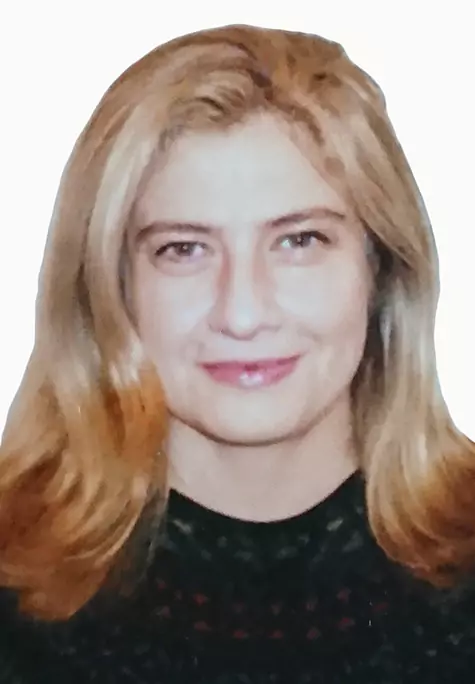
Dr. Valeria Serban

Neuropsychiatrist Specialist
with Multiple State Licenses MBBS (MD)

Dr. Serban

Dr. Valeria Serban is an online Neuropsychiatrist. She treats many Neurological conditions and Psychiatric Illnesses online.

Dr. Valeria Serban is a highly experienced board-certified neuropsychiatrist with more than twenty years of experience in treating a wide range of neuropsychiatric conditions. She treats psychiatric illnesses associated with neurological conditions such as dementia, postpartum depression, migraine, epilepsy, concussion, stroke, Parkinson’s disease, multiple sclerosis, sleep disorders such as narcolepsy, and other age-related neurological disorders.

Dr. Serban has a kind and compassionate approach to patient care. She explores different treatment options and works collaboratively with her patients to find one that best suits them. She is knowledgeable and confident, treating all patients with utmost urgency and care for the best results.

Many forms of dementia are curable; the progression of some can be slowed down with medication, support, and therapy. Dr. Serban’s neurology background is especially helpful for the diagnosis and treatment of dementia. Treatment would aim to manage the symptoms of dementia using medication and provide support through therapy to ease the feelings of anxiety and frustration.

She treats other psychiatric illnesses such as postpartum depression, psychosis, social phobia, bipolar disorder, dementia, obsessive-compulsive disorder (OCD), depression, panic disorder, mood disorder, and other medical conditions resulting in psychiatric symptoms.

To elevate patients’ quality of life, she offers customized treatment plans based on hormonal, nutritional, and medical health evaluations. Dr. Serban believes proper support, good therapy, and medications can greatly improve many psychiatric symptoms.

Medical School

University of Medicine and Pharmacy “Carol Davila” Bucharest, Romania

Neurology Residency Training

University of Medicine and Pharmacy “Carol Davila” Bucharest, Romania

Master of Philosophy (M.Ph.) – Neuroscience

NYS Institute for Basic Research, New York

Internal Medicine Residency

Temple University Hospital, Pennsylvania

Neurology Residency

Temple University Hospital, Pennsylvania

Doctor of Philosophy (Ph.D.) – Neuroscience

NYS Institute for Basic Research, City University of New York – Graduate Center

Clinical Neurophysiology Fellowship

Massachusetts General Hospital – Harvard Medical School, Massachusetts

Board Certification

American Board of Psychiatry and Neurology (ABPN)

Electromyography – American Association of Neuromuscular and Electrodiagnostic Medicine (AANEM)

Neuromuscular Medicine – American Board of Psychiatry and Neurology (ABPN)

Recertification – American Board of Psychiatry and Neurology (ABPN)

Pediatric Neuropsychiatrist

Dr. Saad

Dr. Beena Saad

Triple Board Certified Psychiatrist (MD)
with licenses in Rhode Island, California, New Mexico, and New York

Dr. Saad

Dr. Beena Saad is triple Board-Certified. As well as child and adolescent psychiatry, she has an additional fellowship in pediatric consultation-liaison psychiatry.

She is an experienced pediatric neuropsychiatrist. She also has experience treating children and adolescents with ADHD, concurrent neurological disorders, and medical illnesses.

Dr. Saad treats children and adolescents from a Neuropsychopharmacological perspective. She is also proficient in pediatric psychotherapy and family therapy.

Conditions Dr. Saad treats: Autism, ADHD, pediatric OCD, tic disorder, anxiety, depression, and PTSD. Developmental delay. Mood disorders due to general medical conditions, including cerebral palsy, epilepsy, and traumatic brain injury.

Languages Dr. Saad speaks: English, Urdu and Sindhi

Medical Education

M.B.B.S. – Sind Medical College, Pakistan

Postgraduate Training

Child Psychiatry Fellowship – University of New Mexico

Child Psychosomatic Medicine Fellowship – Albert Einstein School of Medicine

Neuropsychiatrist Expert Witness

Dr. Gundu

Dr. Gundu Reddy

Board Certified Psychiatrist
with Multiple State Licenses MBBS (MD)

Dr. Reddy

Dr. Gundu Reddy is a board-certified Neuropsychiatrist with over 15 years of clinical psychiatry experience and a decade of expertise in forensic psychiatry. She is well-versed in medication management, psychodynamic psychotherapy, and cognitive behavioral therapy.

Dr. Reddy has a strong interest in neuropsychiatry and adopts a holistic approach when evaluating and treating her patients. She considers a wide range of factors, including genetics, developmental history, medical conditions, nutrition, hormonal imbalances, and environmental influences, to provide comprehensive care.

Dr. Reddy emphasizes the importance of understanding underlying psychodynamic conflicts and the root causes of symptoms when developing treatment plans. This nuanced approach enhances the effectiveness of medication management and therapy, whether it involves individual, family, or relationship counseling. Additionally, she has significant experience in managing treatment-resistant cases and incorporates her expertise in integrative psychiatry to address complex patient needs.

Medical School

The United Medical Dental Schools of Guys Kings and St Thomas’ at King’s College London

Psychiatry Residency Training

Mount Sinai School of Medicine, New York

Psychodynamic Psychotherapy Training

NYU Psychoanalytic Institute

Board Certification

American Board of Psychiatry Neurology

Neuropsychiatrist for ADHD

Dr. Issac

Dr. Tony Issac

Board Certified Psychiatrist in New York & New Jersey (MD)

Dr. Issac

Dr. Tony Issac is a specialized neuropsychiatrist with extensive experience as a double-board-certified psychiatrist. He is an expert in evaluating and treating multiple mental health conditions, including insomnia, panic attacks, depression, anxiety, OCD, bipolar disorder, and schizophrenia.

Dr. Issac specializes in addiction recovery and medication management. He creates personalized treatment plans by employing a balanced approach to neuropsychiatry with mindful titration. Dr. Issac uses both medication-based as well as non-medication strategies to help his patients’ recovery process, supporting their mental health by fostering a safe, secure, and healthy environment, further supporting their progress.

Known for his empathetic, attentive, and kind personality, Dr. Issac is admired by all of his patients. Known for providing a supportive and secure space, he has extensive experience in conducting suicide assessments and acute stabilization. He collaborates with the patient’s family and their employer (if required) to ensure that the patient gets comprehensive care and support.

Medical School

St. George’s University: School of Medicine

Psychiatry Residency Training

Richmond University Medical Center: affiliate of Mount Sinai Health Network

Bachelor of Science (B.S) in Psychobiology

Binghamton University – State University of New York

Board Certification

American Board of Preventative Medicine – Addiction Medicine, Board Certification

American Board of Psychiatry & Neurology – Psychiatry, Board Certification

Dr. Raju

Dr. Suja Raju

Board certified Psychiatrist (MD)

Dr. Raju

Dr. Raju is a board-certified psychiatrist with more than nine years of clinical experience, certified by the American Board of Psychiatry and Neurology. She specializes in the comprehensive treatment of a wide range of psychiatric conditions, including depression, anxiety disorders, bipolar disorder, obsessive–compulsive disorder (OCD), attention-deficit/hyperactivity disorder (ADHD), post-traumatic stress disorder (PTSD), and schizophrenia.

With a strong commitment to delivering personalized, patient-centered care, Dr. Raju provides expertise in medication management, evidence-based psychotherapy, and thoughtful, sensitive medication titration. She has particular clinical interest and passion in women’s mental health and trauma-related disorders, striving to support and empower her patients through every stage of their healing journey.

Medical School
Universal College of Medical Sciences, Nepal

Psychiatry Residency Program
Mount Sinai School of Medicine Elmhurst
Program, New York

Board Certification
American Board of Psychiatry and Neurology

Adult Psychiatry
Language spoken 
English and Malayalam

Forensic Neuropsychiatrist

Dr. Bornfriend

Dr. Lynn Alison Bornfriend

Board Certified Psychiatrist
with Multiple State Licenses (MD)

Dr. Bornfriend

Licensed in: Illinois, South Carolina, California, Pennsylvania, Tennessee, New Jersey and Hawaii.

Dr Bornfriend is a triple board-certified psychiatrist with 30+ years of experience trained first with four years in adult psychiatry before completing child psychiatry and now she treats both children and adults across Illinois, South Carolina, California, Pennsylvania, Tennessee, New Jersey and Hawaii. 

She is passionate about supporting patients dealing with a variety of disorders, including:

  • Generalized Anxiety Disorder, separation anxiety, social anxiety disorder, phobias, panic disorder
  • Mood Disorders, disruptive mood dysregulation disorder, major depressive disorder, premenstrual dysphoric disorder, bipolar affective disorder and cyclothymia
  • OCD, body dysmorphic disorder, trichotillomania, excoriation
  • Autism Spectrum Disorder
    Reactive Attachment Disorder, adoption-related issues
  • PTSD, acute stress disorder, adjustment disorder, prolonged grief disorder
  • Oppositional Defiant
  • Disorder, intermittent explosive disorder, conduct disorder
  • Eating Disorders, Sleep Disorders
  • Gender Dysphoria
  • Substance Dependence and Abuse
  • Psychiatric Disorders Secondary to Medical Illness

Dr Bornfriend considers all symptoms presented through the lens of the individual patient’s developmental stage, while also evaluating the impact of family dynamics, environment, academic experience, and developmental/genetic variants. She understands the shift in the importance of autonomy and self-determination as the child grows towards adulthood, assisting the patient and his/her family with active empathic listening and respectful communication.

She has worked with children and adolescents as well as their families, their schools, and the court systems in a variety of modalities from evaluation and diagnosis, medication management, and individual and family therapies, from a supportive, insight-oriented, and CBT/DBT and other modalities.

Dr Bornfriend’s patients have appreciated her varied experiences and training throughout her career. They appreciate her creativity, her warmth, her humor, her intellectual curiosity, and her ability to connect with a wide variety of patients, despite varied backgrounds and levels of psychological mindedness. She has formed long-term, long-lasting relationships with patients, which have hada dramatic impact on their current life experiences as well as their futures.

Medical School:

Pennsylvania State College of Medicine–Hershey, PA

Psychiatric Residency Program:

Timberlawn Psychiatric Hospital–Dallas, TX

Child and Adolescent Psychiatry Fellowship:

Timberlawn Psychiatric Hospital–Dallas, TX

Board Certifications (American Board of Psychiatry and Neurology):

Psychiatry; Child and Adolescent Psychiatry; Forensic Psychiatry

Currently licensed in IL, SC, CA, PA, TN, NJ and HI.

Registered State Licenses – 

  • SC – 92041
  • HI – MD-21936
  • PA – MD047115L
  • IL – 336.11763
  • IL – 036.154690
  • CA – 176663
  • TN – 75724
  • NJ – 25MA05806200

START YOUR JOURNEY WITH OUR EXPERIENCED ONLINE NEUROPSYCHIATRISTS TO GET THE BEST MENTAL HEALTH CARE ONLINE.

Schedule an Appointment with one of our Online Psychiatrists

Book an Appointment Online for Telepsychiatry

Clinical Services: California, Florida, Illinois, New Jersey, New York, South Carolina, Tennessee

Psychiatric Services, Forensic Services

Forensic Psychiatry Services: All of the US and Canada

StateDr. Beena SaadDr. Tony IssacDr. Valeria SerbanDr. Lynn Alison BornfriendDr. Cathy GomezDr. Gundu ReddyDr. Suja Raju
CaliforniaYesYesYesYes
ChicagoYesYesYes
FloridaYesYes
Long IslandYesYesYesYesYesYes
New JerseyYesYesYesYes
New YorkYesYesYesYesYesYes
South CarolinaYesYesYesYes
TennesseeYesYesYes

Neuropsychiatry

Neuropsychiatry is a field of medicine which helps in understanding and managing mental and behavioral illness. It is an integrative medical specialty that combines psychiatry and neurology for the evaluation and treatment of mental health disorders related to the brain and nervous system.

Neuropsychiatry deals with:

  • Perception
  • Memory
  • Alertness and attention
  • Language and Speech
  • Intelligence
  • Cognition
  • Motivation

An experienced neuropsychiatrist must know about both neurology and psychiatry. While Neurology focuses on motor and sensory functions, psychiatry focuses on behavior, mood and thoughts.

The purpose of the evaluation would be to formulate an accurate diagnosis and treatment plan.

A neuropsychiatrist will evaluate:

  • If the patient has any nutritional deficiency contributing to psychiatric illness, such as vitamin B12 deficiency leading to dementia.
  • If the patient has any underlying medical cause that needs to be treated.
  • Evaluate for genetic causes of neuropsychiatric disorders.
  • For any structural causes of psychiatric symptoms such as cysts or head trauma.
  • For any neurological illness such as epilepsy which could be contributing to symptoms.
Neuropsychiatry Condition Treats

Neuropsychiatry for the Treatment of ADHD

ADHD or attention deficit hyperactivity disorder is a type of neurodevelopmental condition that affects many functions like impulse control, concentration, focus, and behavior. It is caused by low levels of the neurotransmitter dopamine, which is responsible for focus.

Some other factors can lead to ADHD, such as abnormal activities in the brain areas that control attention and self-regulation, genetic factors, and environmental factors.

Symptoms of ADHD include:

  • Difficulty in concentrating
  • Get easily distracted
  • Restlessness
  • Impulsive behavior
  • Difficulty in completing a task
  • Difficulty in following instructions

A Neuropsychiatrist can treat ADHD by:

  • Diagnosing ADHD by using behavioral assessment or brain evaluation
  • Prescribing appropriate medicines
  • Recommending strategies to enhance time management
  • Helping parents and caregivers understand their condition to support patient
  • Collaborating with behavioral therapists and executive functioning coaches
Neuropsych ADHD
Neuropsych ADHD

Neuropsychiatry for the Treatment of Anxiety

Anxiety is a mental health condition that involves excessive nervousness, fear, apprehension, and worry. It can interfere with daily life activities and affect overall well-being.

It can be caused by an imbalance in some neurotransmitters such as serotonin and gamma-aminobutyric acid (GABA). Genetic factors, stressful life events, and overactivity in the brain can contribute to this condition.

Symptoms of anxiety include:

  • Feeling nervous, restless, or tense
  • Increased heart rate
  • Sweating and trembling
  • Having trouble sleeping
  • Experiencing gastrointestinal problems
  • Persistent worry
  • Difficulty in concentrating

A Neuropsychiatrist can treat anxiety by:

  • Diagnosing anxiety by clinical assessment and behavioral evaluation
  • Prescribing anti-anxiety drugs or antidepressants
  • Providing therapies to manage symptoms
  • Recommending relaxation techniques such as mindfulness
  • Helping parents and caregivers understand their condition to support patient
Neuropsychiatrist Treatment, Neuropsychiatry for the Treatment of Anxiety

Neuropsychiatry for the Treatment of Autism

Autism is a specific disorder within the broader category of Autism spectrum disorder (ASD). It is a type of neurodevelopmental condition. This condition is observable in early childhood and persists throughout the lifespan. It can affect communication, social interaction, and behavior.

Autism is mainly linked to differences in brain development and connectivity. Imbalances in some neurotransmitters, such as serotonin and dopamine, can also lead to this condition. Some genetic factors and issues in the early brain developmental phase can also contribute to it.

Symptoms of autism include:

  • Difficulty in verbal and nonverbal communication
  • High sensitivity to sounds, lights, smells, or touches
  • Struggles in building relationship
  • Difficulty in looking at people or listening to them
  • Narrow range of interests
  • Repetitive behavior
  • Seizures

A Neuropsychiatrist can treat autism by:

  • Diagnosing Autism by using behavioral and developmental assessments
  • Recommending therapies to improve communication and social interaction
  • Recommending strategies to manage repetitive behaviors and high-sensitivity
  • Prescribing medicines to manage anxiety, OCD, and hyperactivity symptoms
  • Collaborating with social services to assess the need for disability and other interventions
  • A pediatric neuropsychiatrist can conduct IEPS for the school
  • A pediatric neuropsychiatrist can collaborate with parents and therapists to recommend early intervention needs and strategies
Neuropsychiatrist Treatment, Neuropsychiatry for the Treatment of Autism

Neuropsychiatry for the Treatment of Bipolar Disorder

Bipolar disorder is a mental health condition that causes extreme mood swings from depression to mania or hypomania. It is a rare but complex condition. Each person experiences a different range of episodes. For some people, mood episodes can last for a few hours or days, but for others, they might last for a few weeks or months.

This condition can be caused by an imbalance in some neurotransmitters such as serotonin, dopamine, or norepinephrine. Genetic factors can also contribute to this condition. It has been observed that stressful life events can trigger these episodes.

Symptoms of bipolar disorder include:

  • Periods of high energy, impulsive behavior, euphoria, reduced need for sleep (mania)
  • Periods of sadness, low energy, low self-esteem, and loss of interest in activities (depression)
  • Difficulty i n concentrating or making a decision
  • Changes in sleep pattern and appetite
  • Dramatic and intense changes in mood, emotions, and behavior
  • Risky behavior during the manic phase

A Neuropsychiatrist can treat bipolar disorder by:

  • Diagnosing Bipolar condition by performing psychological and brain function assessments
  • Prescribing medicines such as antipsychotics, mood stabilizers, and antidepressants to manage symptoms
  • Providing therapies to understand triggers and regulate mood swings
  • Helping patients understand triggers to manage episodes
  • Helping parents and caregivers understand their condition to support patient
Neuropsychiatrist Treatment, Neuropsychiatry for the Treatment of Bipolar Disorder

Neuropsychiatry for the Treatment of Dementia

Dementia is a condition caused by decline in cognitive functions such as memory, thinking, decision-making, or social interaction. Dementia can be either reversible or irreversible.

Symptoms of dementia include:

  • Difficulty in performing daily tasks
  • Memory loss or confusion
  • Changes in mood, behavior, and personality
  • Poor judgment
  • Difficulty in making decisions
  • Problem with speaking or writing

A Neuropsychiatrist can treat dementia by:

  • Diagnosing Dementia by performing cognitive tests and brain imaging
  • Prescribing medicines to manage symptoms and slow down the progression
  • Providing therapies to improve memory and thinking skills
  • Recommending strategies to manage anxiety and mood changes
  • Helping parents and caregivers understand their condition to support patient
Neuropsychiatrist Treatment, Neuropsychiatry for the Treatment of Dementia

Neuropsychiatry for the Treatment of Depression

Depression is a common mental health disorder. This condition can lead to persistent sadness and a loss of interest in activities. It affects emotions and thoughts and can lead to difficulty with thinking, memory, eating, and sleeping.

Depression can be caused by low levels of neurotransmitters such as dopamine, serotonin, and norepinephrine in the brain. Some factors, such as genetic factors, stress, hormonal changes, and traumatic life events, can also contribute to this condition.

Symptoms of depression include:

  • Persistent sadness or feeling empty
  • Loss of interest in activities
  • Fatigue, low energy, sleeping too much or too little
  • Difficulty in concentrating and decision-making
  • Being easily irritated or frustrated
  • Having thoughts of self-harm or suicide

A Neuropsychiatrist can treat depression by:

  • Diagnosing depression by performing clinical evaluation and mood assessments
  • Prescribing antidepressant medicines to manage symptoms
  • Providing therapies to address negative thought patterns and stress
  • Recommending lifestyle changes to improve diet, sleep, and physical activities
  • Helping parents and caregivers understand their condition to support patient
Neuropsychiatrist Treatment, Neuropsychiatry for the Treatment of Depression

WE OFFER AFFORDABLE, CONVENIENT, AND COMFORTABLE ONLINE ASSESSMENTS AT YOUR FINGERTIPS. BOOK YOUR APPOINTMENT NOW.

Neuropsychiatry for the Treatment of Fibromyalgia

Fibromyalgia is a chronic condition that can cause widespread musculoskeletal pain, fatigue, sleep problems, and cognitive difficulties. It is often misdiagnosed and misunderstood. Fatigue, cognitive disturbance, psychiatric, and multiple somatic symptoms often accompany the disorder.

The exact cause is unknown, but it is linked to an imbalance in some neurotransmitters like serotonin and norepinephrine. Central nervous system dysfunction can lead to increased pain sensitivity.

Some factors, like traumatic or stressful life events and genetic factors, can increase susceptibility.

Symptoms of fibromyalgia include:

  • Widespread pain throughout the body
  • Fatigue
  • Difficulty in falling asleep or staying asleep
  • Cognitive difficulties affecting memory and concentration
  • Mood disorders such as anxiety or depression
  • Feeling of exhaustion

A Neuropsychiatrist can treat fibromyalgia by:

  • Diagnosing fibromyalgia by performing clinical evaluation and patient’s history
  • Prescribing medicines to manage pain, improve sleep, and reduce fatigue
  • Providing cognitive therapy to address emotional and psychological aspects
  • Recommending lifestyle changes such as exercise and stress management techniques
  • Helping parents and caregivers understand the patient’s condition to support them
Neuropsychiatry for the Treatment of Fibromyalgia

Neuropsychiatry for the Treatment of Insomnia

Insomnia is a common sleep disorder in which a person experiences difficulty falling or staying asleep. It can lead to poor sleep quality and affect daily life activities. An imbalance in some neurotransmitters and hormones can lead to this disorder. For example, low serotonin levels or disrupted melatonin levels can lead to insomnia.

Symptoms of insomnia include:

  • Difficulty falling asleep
  • Feeling tired after waking up
  • Daytime fatigue
  • Poor concentration
  • Waking up frequently during the night

A Neuropsychiatrist can treat insomnia by:

  • Screening for medical causes of insomnia
  • Treating any psychiatric illness contributing to insomnia
  • Providing therapy to manage anxiety symptoms
  • Prescribing appropriate medicines to manage symptoms
  • Recommending sleep hygiene techniques for better quality of sleep
  • Addressing imbalances in neurotransmitters and hormones
Neuropsychiatrist Treatment, Neuropsychiatry for the Treatment of Insomnia

Neuropsychiatry for the Treatment of Memory Loss

Memory loss is a condition that involves forgetting important information, events, or experiences. It can be temporary or permanent. It can affect daily life activities and quality of life.

Memory loss can be caused by multiple reasons, such as aging, brain injuries, or neurological conditions like Alzheimer’s. Low levels of certain neurotransmitters such as acetylcholine can also contribute. It is often observed that stress, anxiety, and depression can also impact memory function.

Symptoms of memory loss include:

  • Forgetting important dates or events
  • Forgetting names
  • Confusion about time or place
  • Difficulty in completing daily tasks
  • Difficulty recalling a recent conversation
  • Difficulty in following instructions

A Neuropsychiatrist can treat memory loss by:

  • Diagnosing memory loss through cognitive assessments and brain imaging
  • Identifies underlying causes and provides a personalized treatment plan
  • Prescribing medicines to improve memory and cognitive function
  • Providing cognitive rehabilitation therapy to enhance memory skills
  • Recommending lifestyle changes to support brain health
Neuropsychiatry for the Treatment of Memory Loss

Neuropsychiatry for the Treatment of Panic Attacks

A panic attack is a sudden episode of intense fear that triggers several physical reactions such as a racing heart, fast breathing, and sweating. It may occur even when there is no real danger or apparent cause. An imbalance in some neurotransmitters, such as serotonin and norepinephrine can cause panic attacks.

Overactivity in brain areas that control fear and stress can trigger panic attacks. These panic attacks are the main features of panic disorder. Some genetic factors, stress, and traumatic life events can also increase risk and contribute to it.

Symptoms of panic attacks include:

  • Racing heart and chest pain
  • Difficulty breathing
  • Sweating, trembling, or shaking
  • Nausea
  • Choking sensation
  • Fear of losing control
  • Feeling detached from yourself and reality

A Neuropsychiatrist can treat panic attacks by:

  • Diagnosing the condition using clinical assessments and anxiety tests
  • Prescribing medicines to manage symptoms, such as anti-anxiety drugs
  • Providing therapies to understand triggers and manage symptoms
  • Recommend relaxation techniques such as deep breathing and mindfulness
  • Helping patients rebuild their confidence
Neuropsychiatry for the Treatment of Panic Attacks

Neuropsychiatry for the Treatment of Schizophrenia

Schizophrenia is a serious mental health condition that affects how an individual thinks, feels, and behaves. In this condition, a person finds it difficult to differentiate between reality and delusions or hallucinations. It can be caused due to imbalances in dopamine and glutamate levels.

Genetic factors can also contribute to schizophrenia. It has been observed that stress and environmental factors can trigger this condition.

Symptoms of schizophrenia include:

  • Hallucinations
  • Delusions or false beliefs
  • Sleep problems
  • Isolating from friends and family
  • Disorganized thinking or speaking
  • Difficulty in completing everyday tasks
  • Lack of emotions or expressions

A Neuropsychiatrist can treat schizophrenia by:

  • Diagnosing schizophrenia by performing clinical evaluation and brain imaging
  • Prescribing antipsychotic medicines to manage symptoms
  • Providing therapies to improve thinking and behavioral skills
  • Helping patients understand triggers to manage episodes
  • Helping parents and caregivers understand their condition to support patient
Neuropsychiatrist Treatment, Neuropsychiatry for the Treatment of Schizophrenia

Neuropsychiatry for the Treatment of Tic Disorder

Tic disorder is a neurological condition characterized by uncontrolled, involuntary, repetitive movements (motor tics) or sounds (vocal tics). Types of tic disorders include motor tics, vocal tics, and Tourette’s syndrome.

It is linked to an imbalance in some neurotransmitters like dopamine and serotonin. Genetic factors may increase the susceptibility to developing tics. Environmental stressors or certain infections may trigger or worsen the symptoms.

Symptoms of tic disorder include:

  • Sudden repetitive movements like eye blinking
  • Shoulder shrugging or body twisting
  • Throat clearing or repeating words
  • Uttering inappropriate words or phrases
  • Humming, grunting, sniffing, or coughing
  • Making high-pitched noises

A Neuropsychiatrist can treat tic disorder by:

  • Diagnosing tic disorder through clinical evaluation and observations
  • Prescribing medicines to manage severe or disruptive tics
  • Providing behavioral therapy techniques to reduce the frequency of tics
  • Recommending strategies to manage tics in social situations
  • Helping parents and caregivers understand the patient’s condition to support them
Neuropsychiatrist Treatment, Neuropsychiatry for the Treatment of Tic Disorder

Neuropsychiatry is a subspecialty of psychiatry or neurology where the psychiatrist or Neurologist will treat psychiatric illness associated with common Neurological disorders.

A neuropsychiatrist will treat psychiatric and cognitive symptoms associated with:

  • Epilepsy
  • Parkinson’s
  • Migraines
  • Multiple sclerosis
  • Cerebral Palsy
  • Myasthenia Gravis
  • Traumatic brain injury
  • Stroke

And other neurological conditions.

Neuropsychiatrist Treats Psychiatric & Cognitive Symptoms

TRANSFORM YOUR MENTAL HEALTH WITH THE GABA TELEPSYCHIATRY BY SKILLED AND TRUSTED NEUROPSYCHIATRISTS.

Neuropsychiatrist Online Consultation

A neuropsychiatrist can help in diagnosing a mental health disorder like depression, anxiety, and bipolar disorder using the Diagnostic and Statistical Manual of Mental Disorders, 5th Edition (DSM-V) for careful evaluation and a proper treatment plan.

Consulting a neuropsychiatrist online not only provides accessibility but also provides flexibility and privacy. Therefore, online consultation is often preferred by people with busy schedules and those living in remote areas.

A neuropsychiatrist online consultation involves the following steps:

  • Psychiatric interview
  • Lab work
  • Accessing cognitive testing (dementia for adults, ADHD testing)
  • Dementia screening for older adults
  • Screen for medical causes of psychiatric illness; screen for nutritional deficiencies; e.g., B12 deficiency can cause cognitive decline symptoms; screen for psychopharmacological view
  • Evaluate if the patient is on the right medication
  • Accessing the patient for medication
  • Evaluating if the medications are effective
  • Analyzing if the medication is causing any side effects
  • Discussing medications with patients
  • Understanding the psychopharmacological needs of the patient
  • Discussing genetic factors and external stressors that may be contributing to symptoms
  • Evaluating for neuroimaging
  • Providing a proper treatment plan
Neuropsychiatry for the Treatment of Memory Loss
Our Trusted Clients
double_quotes_icon

Outstanding in every single way Harvard trained, very smart, great sense of humor, great pleasure and honor to be her patient

AB
HealthGrades reviews - Dr. Serban
double_quotes_icon

Dr Bornfriend is very kind and compassionate. She is sensitive to what’s happening in your life and offers very solid advice to work with whatever is going on. She’s there for You!

Bruce
HealthGrades reviews - Dr. Lynn
double_quotes_icon

Dr. Reddy sincerely cared for her patients and will give you her full attention. She spends more time beyond the scheduled hours just to make sure her patients are being attended well.

Marie J.
Google reviews - Dr. Reddy
Choose the best in Online Neuropsychiatry because you deserve better and your mental health is our priority.
Seeing an Neuropsychiatrist Online
Scroll to Top