
Mental Health Evaluation
Private sensitive online mental health evaluation for clinical diagnosis, medication management, child custody, employment concerns, criminal defense, FAA, FOID, professional licensing and more.
See an Experienced Board-Certified Psychiatrist.

Gaba Telepsychiatry offers mental health evaluations
for multiple clinical & legal purposes
Our Mental Health Evaluators are all Board Certified Psychiatrists. They have ten to thirty years experience conducting thoughtful and accurate mental health evaluations for multiple clinical and legal purposes.
- Diagnostic Mental Health Evaluation
- Mental Health Evaluation for ADHD/ Autism
- Mental Health Evaluation for Air Force
- Mental Health Evaluation for Army
- Mental Health Evaluation for Court
- Mental Health Evaluation for CPS
- Mental Health Evaluation for FAA
- Mental Health Evaluation for FOID
- Mental Health Evaluation for Guardianship
- Mental Health Evaluation for Military
- MHE for Employment & Disability
- MHE for Professional Licensing
The thought of a mental health evaluation can be intimidating.
It is important to find the right mental health evaluator who listens well and takes the time to achieve the correct diagnosis. Your psychiatrist must collaborate with you to formulate a treatment plan that will help you to achieve your goals.

When mental health evaluations are ordered by the court or the employer, extra care must be taken by the evaluator to understand your situation and help you take the right steps to work towards recovery.
A well-thought-out comprehensive online mental health evaluation by a mental health evaluator for clinical treatment and court can help you achieve your goals and improve your life. With timely and accurate diagnosis, you take the first step towards living a happier and more fulfilling life.
Mental Health Evaluation for FOID card
What is a FOID Evaluation?
A FOID evaluation is a forensic mental health evaluation that assesses an individual’s mental fitness for firearm ownership. FOID means Firearm Owner’s Identification.
This evaluation is often required when an individual’s mental health or behavior raises concerns, to ensure public safety and fairness.
When might you need a Mental Health Evaluation for a FOID card?
- When you are applying for a firearms license.
- When you are renewing your firearms license.
There are many reasons why your application may be red-flagged:
- Previous conviction
- Previous history of psychiatric hospitalization
- Previous history of psychiatric treatment
The vast majority of individuals who receive psychiatric treatment, or who have received are not a danger to themselves or others.
However, the appropriate licensing body will usually need extra information or clarification to ensure that psychiatric treatment does not mean the client is suicidal or homicidal.
The purpose of the evaluation is also to assess
- A client’s reason for needing a firearm.
- Whether the client can safely store and carry a firearm
- Whether a client can avoid risky situations and de-escalate situations if needed.
- Whether a client has a sense of responsibility to others.
- Whether a client is suffering from any psychiatric illness that can affect his or her judgment.
Who conducts the Mental Health Evaluation for a FOID card?
A board-certified psychiatrist, such as those at GABA Telepsychiatry, conducts a FOID evaluation. They review the person’s mental health history and current mental state.
What does a FOID evaluation entail?
- Psychiatric history
- Chemical dependency screening
- Violence risk assessment
- Suicide risk assessment
- Forensic history
- Review of CPS and domestic violence allegations, if applicable
- Review of police records, if applicable
- Review of character references
- PTSD and bipolar scales, if applicable
- Other relevant information
What does the Mental Health Evaluation for a FOID card conclude?
Once the forensic psychiatrist completes the interview process and reviews all the relevant collateral, they write a detailed evaluation report. This report explains their findings and offers their professional opinion. The opinion states whether the person is a risk to themselves or others and whether they are safe to own a firearm.
The mental health evaluator must be neutral and objective and should present their opinion in an unbiased manner. A FOID evaluation helps make sure firearm ownership decisions are careful and responsible. These decisions are based on the individual’s mental health status and past mental health treatment history (if any).
GABA Telepsychiatry provides FOID mental health evaluations done by board-certified psychiatrists. These evaluations focus on safety, fairness, and careful clinical judgment.
Common Psychiatric illnesses which are not usually a contraindication for FOID card include :
- Anxiety
- Depression
- Social anxiety
- OCD
- Adjustment disorder
- PTSD
Psychiatric illnesses which usually contradict FOID card include:
- Schizophrenia
- Bipolar disorder
- Active Substance abuse
- Depression with History of suicide attempts
- Previous violent convictions ( this does not include civil restraining orders during divorce and custody cases unless there is evidence of harm or threats ) .
These evaluations may also assist legal counsel in preparing an appropriate defense strategy based on the findings. In many cases, the evaluator’s input can significantly influence outcomes within the broader criminal justice system and determine issues of criminal responsibility. One major use of these evaluations is in cases involving the insanity defense, where the goal is to assess the individual’s mental state at the time of the alleged criminal act and determine their legal accountability. In certain cases, these evaluations may be conducted within state hospitals, where secure environments allow for extended observation and assessment.
The evaluation process usually includes a thorough look at the defendant’s mental health history, such as past diagnoses, treatments, and any related psychological records, and results in comprehensive evaluations that explain the defendant’s mental state. The evaluator might also interview the defendant, give psychological tests, and collect information from family, friends, or other relevant sources. The report from the evaluator explains the defendant’s mental state and how it could affect their legal case, and suggests suitable legal and treatment services. In the broader litigation process, this mental health assessment ensures that mental health concerns are thoroughly considered.
In the end, a mental health evaluation in criminal defense is really important for making sure justice is done fairly and that defendants get the right care and attention for their mental health needs. One major use of these evaluations is in cases involving the insanity defense, where the goal is to assess the individual’s mental state at the time of the alleged crime and determine their legal accountability.


Mental Health Evaluation for FAA
Purpose of an FAA Mental Health Evaluation
An FAA evaluation assesses mental fitness for safety-sensitive jobs, including pilots or other aviation personnel. Its primary goal is public safety, and aims to give a fair judgement of the individual’s mental health...
The board-certified psychiatrist such as those as GABA Telepsychiatry assesses the candidate’s understanding of responsibilities. They check the ability to perform duties safely, including their judgment, concentration, emotional control, and reliability. They also review their past mental health treatment records such as inpatient and outpatient records, previous mental health evaluations, letters from previous and current mental health providers, and list of past and current psychiatric medications (if any). The evaluator considers how well conditions are managed, and also assesses a positive response to treatment.
The evaluator is expected to follow strict ethical rules. They must remain neutral and their role is not to take sides. They must provide an honest opinion, and this opinion must be based on evidence. Once the evaluation is completed, the results will be shared with the FAA authorities.
Evaluation Process
The forensic psychiatrist reviews the individual’s mental health history. They also assess current symptoms, work performance and recent stressors...
Psychological tests are regularly administered and in-depth interviews conducted to ascertain their current mental status, and gain an understanding of their thoughts, behavior, and decisions
A licensed mental health professional, specifically, a Board- Certified Psychiatrist conducts the FAA evaluation. They examine emotional health, assess cognitive abilities and stress management.
What happens after the Evaluation?
After the interviews and tests are completed, the forensic psychiatrist prepares a comprehensive evaluation report. It details the findings of the report and gives a professional opinion on the individual’s fitness for duty...
The opinion states if the person can work safely. This evaluation ensures that individuals in aviation roles are stable and capable.
A licensed mental health professional, specifically, a Board- Certified Psychiatrist conducts the FAA evaluation. They examine emotional health, assess cognitive abilities and stress management.

Air Force Mental Health
Being a part of the Air Force comes with immense responsibilities, which can affect mental health in many different ways. Being deployed for a long time, frequent relocations, challenging schedules, extremely stressful situations, and risk of exposure to a traumatic event at any given point can all take a toll on your emotional well-being. Some Air Force personnel may even experience depression, post-traumatic stress, insomnia, burnout, or face extreme difficulties in readjusting after deployment. Others may experience issues like mood disorders, lack of concentration, and relationship issues, which interfere with their day-to-day life.
Our board- certified psychiatrists provide in-depth mental health evaluations for active duty Air Force members, reservists, veterans, and individuals who need to be evaluated for Air Force-related reasons. At GABA, our psychiatrists take time to listen to your symptoms, medical history, military background, and current issues before making any recommendations.


Air Force Mental Health Assessment
An Air Force Mental Health Assessment is an assessment done in order to evaluate whether the individual being assessed has the required mental and emotional well-being needed to be able to perform his or her duties in the military. It looks into issues such as mental illnesses that could influence judgment, decision-making, emotional stability, and performance at work.
While evaluating the individual, the forensic psychiatrist will assess things such as the following:
- Mental history and medical history of the individual
- Current emotional state and psychological symptoms
- Past treatments, if any, and medications taken
- Ability to withstand stress and make good decisions
- Judgment, concentration abilities, emotional control, and reliability of the individual
Most of the time, this evaluation will involve clinical interviews and, at times, psychological tests. The evaluator maintains objectivity and neutrality in this case, and his opinions are based on the evidence available from the clinical evaluation.
Once the evaluation is complete, the forensic psychiatrist compiles a full report of their findings and gives an opinion on the mental fitness of the individual to work in the military.
Mental Health in the Air Force
Personnel within the Air Force operate under conditions that demand exceptional precision and sustained composure. Pilots must often decide correctly with almost no time to deliberate, and the crews supporting them work at a pace where a single oversight can carry serious consequences. Fatigue and prolonged isolation during extended deployments erode this composure gradually, and the resulting decline is not always apparent until it begins to affect performance.
Measures adopted to preserve psychological readiness within air force operations generally include:
- Structured psychological evaluations administered at defined intervals across a service member’s career
- Stress-management training developed specifically for the demands of aviation and technical roles
- Counseling services designed to reduce procedural barriers that discourage personnel from seeking help
- Informal peer-support networks, which frequently identify difficulties before they reach formal evaluation channels
- Family readiness initiatives, intended to address the strain caused by frequent relocation and extended absence
The rationale underlying these measures is not solely humanitarian. A fatigued or psychologically compromised airman represents a tangible operational risk, and this recognition has, in practice, done more to secure institutional investment than appeals to wellbeing alone. Psychological stability is accordingly regarded not as separate from performance, but as a precondition for it.
These evaluations may also assist legal counsel in preparing an appropriate defense strategy based on the findings. In many cases, the evaluator’s input can significantly influence outcomes within the broader criminal justice system and determine issues of criminal responsibility. One major use of these evaluations is in cases involving the insanity defense, where the goal is to assess the individual’s mental state at the time of the alleged criminal act and determine their legal accountability. In certain cases, these evaluations may be conducted within state hospitals, where secure environments allow for extended observation and assessment.
The evaluation process usually includes a thorough look at the defendant’s mental health history, such as past diagnoses, treatments, and any related psychological records, and results in comprehensive evaluations that explain the defendant’s mental state. The evaluator might also interview the defendant, give psychological tests, and collect information from family, friends, or other relevant sources. The report from the evaluator explains the defendant’s mental state and how it could affect their legal case, and suggests suitable legal and treatment services. In the broader litigation process, this mental health assessment ensures that mental health concerns are thoroughly considered.
In the end, a mental health evaluation in criminal defense is really important for making sure justice is done fairly and that defendants get the right care and attention for their mental health needs. One major use of these evaluations is in cases involving the insanity defense, where the goal is to assess the individual’s mental state at the time of the alleged crime and determine their legal accountability.


Online Forensic Psychiatry Services

Family Law
Parental Alienation
Child Protective Services
Child Custody Evaluation

Civil Practice Law
PTSD
Civil Law Defense
Psychological Damage

Criminal Defense
Malingering
Insanity Defense
Fitness For Trial

Estate Law
Guardianship
Undue Influence
Testamentary Capacity

Medical Malpractice
Records Review
Standards of Care
Malpractice Defense

Risk Assessment
SORA RAI
Violence Risk
Fitness For Discharge
Mental Health Evaluation for DHS
At Gaba Telepsychiatry, we assume that most parents do their best. We also understand that most parents love their children, so the experience of having a child taken away is horrific.
Even if a child is still in your care, being told that you have abused or neglected your child, or that you may be an unfit parent is also devastating.
While remaining neutral and acting in the best interest of the child, our psychiatrists adopt a compassionate approach to evaluations for child protective services.
- We review the stressors leading up to the investigation.
- We evaluate if any real abuse or neglect really occurred by reviewing medical reports, CPS reports, and collateral contacts
- If a parent is suffering from mental illness, we work with the treating psychiatrist to initiate treatment strategies.
- If there was an incident of endangerment, we try to be fair in assessing whether this was a single event or a pattern.
Ultimately we try to give the client a chance to tell their side of the story and demonstrate why they are a fit parent.
We provide comprehensive treatment plans where needed, and assist clients in the process of initiating the steps needed to :
- Seek treatment where needed
- Reassure DHS
- Regain custody of the child where possible.
Children are usually better off with their parents than in foster care. Wherever possible, we assist parents in taking steps to keep and regain custody of their children.
We also provide recommendations to CPS if the parents need additional supports at home. This may be the case when either parent or child is suffering from disability, or if there are multiple children in the household.
The main goal of this evaluation is to find out if there are any mental health problems that could affect the individual’s ability to manage their daily responsibilities. For DHS, this information is used to figure out what kind of support and resources the individual needs. The evaluation helps create a personalized plan to address their specific needs, making sure that any help provided is suitable and effective. This approach not only helps manage current mental health issues but also supports overall well-being and stability.
Additionally, the results of the evaluation help DHS decide what services and support the individual may be eligible for. By understanding the individual’s needs accurately, DHS can better allocate resources and ensure they get the help they need to improve their quality of life.
The goal is to support the client’s mental health and stability, helping them thrive despite any challenges they face. This is where ongoing assistance from social workers can play a crucial role in long-term recovery.
Our Board Certified Psychiatrists have extensive experience, providing psychiatric evaluations for DHS. (Child Protective Services)


Connect with Gaba Telepsychiatry to experience the difference!
Online Mental Health Evaluation
During an online evaluation, an accurate and careful evaluation by an online psychiatrist ensures:
- Acquiring the right psychiatric diagnosis
- Understanding the cause of symptoms, such as environmental factors, medical reasons, and psychodynamic factors
- Understanding stressors leading up to the event
- Formulating an appropriate treatment plan
- Prescribing the right medication
- Collaborating with the patient and answering their questions
- Avoiding mistakes and miscommunication
A poorly conducted evaluation can lead to miscommunication, wrong diagnosis, ineffective treatment plans, and bad treatment outcomes.
Hence, a good mental health evaluator should take adequate time and care to consider all the above factors while conducting the evaluation and ensure that you feel comfortable, do not feel judged, and get all your questions answered.
When Should I Get a Mental Health Assessment?
A person should seek a mental health evaluation if:
- They are experiencing psychiatric symptoms including, depression, low mood, anxiety, panic attacks, obsessions, compulsions, insomnia, racing thoughts, impulsivity, auditory or visual hallucinations, problems with attention or concentration, anger or rage, irritability, loss of productivity, disturbance of sleep and appetite.
- They are experiencing cognitive difficulties including problems with memory and decision-making.
- They are experiencing problems with attention, concentration, organization, and task completion.
- Their symptoms are causing problems with work or relationships.
- It is ordered by the court or an employer.
- There is an active DHS case (Child Protective Services)
- or if you are being denied custody of your child.
- Required for aviation, military,
- law enforcement, and firearms.
- Required clearance for gender reassignment,
- Gastric bypass, and other medical procedures.
Online or In-Person Mental Health Evaluation: Which is Better?
An online mental health evaluation is a psychiatric evaluation or psychological evaluation conducted on a videoconferencing platform rather than in person.
Why Choose an Online Mental Health Evaluation?
It is a matter of personal preference whether to see an evaluator online or in person. An online mental health evaluation enables you to see the psychiatrist or psychologist of your choice regardless of location. For certain types of mental health evaluations, especially for the court, specialist knowledge or experience may be required.
You may need an evaluator with specialist clinical knowledge, for example, for Autism, ADHD, Addiction, Childhood, Geriatric and Transgender Psychiatry. Not all psychiatrists are comfortable with certain specialties.

Can a Mental Health Evaluation be Conducted Online?
Can a Mental Health Evaluation be Conducted Online?
Online mental health evaluations via video conferencing are accepted by the courts, employers, and other medical practitioners. The evaluator must follow the same procedures and standards of care, similar to those of an in-person visit.
Online screening or evaluation is the fastest and easiest way to determine if you are exhibiting mental health condition symptoms.
Just before the evaluation, you will be asked to sign consent forms. This step is to access your medical history, symptoms, medication history, and other related information. It also gives authorization for doctors to discuss mental health conditions and treatment with your family members.


I am an attorney in Missoula, MT. I had the pleasure of working with Dr. Reddy in a divorce action. She was thorough and prompt. I would highly recommend her as a huge advocate for your client in common.
convenient for me. They sent their extremely thorough assessment to the necessary people in Maryland, and it resulted with me being reunified with my children. They were all very professional, compassionate, accommodating and competent. I would highly recommend Dr Reddy and her staff to anyone in need of such professionals
Dr Reddy’s word in your FAA medical cases carries some heavy weight. She is a consummate professional and is extremely knowledgeable in every aspect of maneuvering the obstacles that are in place. She was able to get me back up and flying within 3 months! This was not an easy task, however due to her expertise, she was able to produce the correct and desired responses from the agency and..Read More
highlight definitive facts which supported my claims, thus returning me to the job and my passion. Without her, it would not have been possible! I know this as a fact because I have a friend who was in the same situation, who used another service provider that could not convince the agency based upon his claims and was permanently grounded. I highly recommend and will continue to utilize Dr. Reddy!!!!!!!

Who Should Conduct a
Mental Health Evaluation Online?
A mental evaluation online should be performed by an experienced board-certified psychiatrist (mental health evaluator)
who has completed medical school and residency training and has a valid medical license.

Dr. Valeria Serban
Board Certified Psychiatrist with Multiple State Licenses MBBS (MD)

Dr. Valeria Serban has over 20 years of experience as a neuropsychiatrist practicing general adult and geriatric psychiatry. In addition to treatment, Dr. Serban conducts online mental health evaluations for clinical diagnosis, medication management, and more. Dr Serban also has extensive experience in conducting comprehensive mental health evaluations.
Dr. Serban conducts a comprehensive mental evaluation and treats various psychiatric illnesses associated with neurological conditions such as migraine, epilepsy, concussion, stroke, Parkinsons, multiple sclerosis, sleep disorders such as narcolepsy, and other neurological conditions.
She also performs a comprehensive diagnostic evaluation for individuals with post-stroke cognitive changes, parkinsons disease, and other neurological conditions affecting memory, thinking, and behavior
As an expert in mental health care, Dr. Serban also does a detailed mental evaluation to help treat various types of psychiatric illness and age-related cognitive decline, such as psychosis, social phobia, bipolar disorder, dementia, obsessive-compulsive disorder (OCD), depression, panic disorder, mood disorder, postpartum depression, and other medical conditions resulting in psychiatric symptoms.
Medical School
University of Medicine and Pharmacy “Carol Davila” Bucharest, Romania
Neurology Residency Training
University of Medicine and Pharmacy “Carol Davila” Bucharest, Romania
Master of Philosophy (M.Ph.) – Neuroscience
NYS Institute for Basic Research, New York
Internal Medicine Residency
Temple University Hospital, Pennsylvania
Neurology Residency
Temple University Hospital, Pennsylvania
Doctor of Philosophy (Ph.D.) – Neuroscience
NYS Institute for Basic Research, City University of New York – Graduate Center
Clinical Neurophysiology Fellowship
Massachusetts General Hospital – Harvard Medical School, Massachusetts
Board Certification
American Board of Psychiatry and Neurology (ABPN)
Electromyography – American Association of Neuromuscular and Electrodiagnostic Medicine (AANEM)
Neuromuscular Medicine – American Board of Psychiatry and Neurology (ABPN)
Recertification – American Board of Psychiatry and Neurology (ABPN)

Dr. Tony Issac
Board Certified Psychiatrist in New York & New Jersey (MD)

Dr. Tony Isaac is an experienced double Board Certified Psychiatrist with a keen interest in evaluating and treating mental health illnesses such as insomnia, panic attacks, depression, anxiety, OCD, bipolar disorder, and schizophrenia. He is also very experienced in conducting mental health evaluations.
Dr. Issac specializes in addiction recovery treatments and medication management and uses a combination of psychotherapy and sensitive medication titration to help his patients achieve a collaborative treatment plan.
Using both medication and non-medication techniques, Dr. Issac focuses on recovery and healing, thereby improving the overall mental health of his patients and helping them live fuller and happier lives.
Dr. Issac is popular among his patients for being very kind, respectful, empathetic, articulate, patient, and always willing to listen. He conducts suicide assessments and acute stabilization, which includes working with the family and employer to provide the required care and support.
Medical School
St. George’s University: School of Medicine
Psychiatry Residency Training
Richmond University Medical Center: affiliate of Mount Sinai Health Network
Bachelor of Science (B.S.) in Psychobiology
Binghamton University – State University of New York
Board Certification
American Board of Preventative Medicine – Addiction Medicine, Board Certification
American Board of Psychiatry & Neurology – Psychiatry, Board Certification

Dr. Gundu Reddy
Board Certified Psychiatrist with Multiple State Licenses MBBS (MD)

Dr. Reddy has a special interest in integrative psychiatry and believes that multiple factors should be considered when evaluating for mental health illnesses and treating a patient. Dr. Reddy specializes in comprehensive mental health evaluations. That includes genetic and developmental factors, medical illness, nutrition, hormones, and environmental and dynamic factors.
Dr. Reddy is a mental health expert who believes that “brain health is the key to personal wellbeing” and considers genetics, medical, hormonal, nutritional, dynamic, and environmental factors while creating a treatment plan for her patients. She is extremely popular among her patients and is known to be patient, sympathetic, kind, and compassionate.
Dr. Reddy invariably spends considerable time with her patients in providing insightful advice and prescribing the proper medications.
Dr. Reddy is a mental health expert who believes that “brain health is the key to personal wellbeing” and considers genetics, medical, hormonal, nutritional, dynamic, and environmental factors while creating a treatment plan for her patients. She is extremely popular among her patients and is known to be patient, sympathetic, kind and compassionate.
Dr. Reddy invariably spends considerable time with her patients in providing insightful advice and prescribing the proper medications.
Medical School
The United Medical Dental Schools of Guys Kings and St Thomas’ at King’s College London
Psychiatry Residency Training
Mount Sinai School of Medicine, New York
Psychodynamic Psychotherapy Training
NYU Psychoanalytic Institute
Board Certification
American Board of Psychiatry and Neurology

Dr. Beena Saad
Triple Board Certified Psychiatrist with Multiple State Licenses (MD)

Dr. Beena Saad is a triple-board-certified child and adolescent psychiatrist holding fellowships in child psychosomatic medicine and child and adolescent psychiatry, making her one of the best online psychiatrists for children and adolescents.
Dr. Saad is highly experienced in performing comprehensive mental health and forensic evaluations. Dr. Saad is dedicated to providing comprehensive online psychiatric care for young patients. She specializes in diagnosing and treating a wide
- Anxiety disorders (Generalized Anxiety, OCD, Health Anxiety, Panic Disorders)
- Attention-Deficit/Hyperactivity Disorder (ADHD)
- Autism Spectrum Disorder (ASD)
- Mood disorders, including Childhood Bipolar Disorder and Depression
- PANDAS and Obsessive-Compulsive Disorder (OCD)
- Post-Traumatic Stress Disorder (PTSD)
- Tic Disorders
- Childhood Schizophrenia
- Sleep Disorders
- Learning Disabilities
- Substance Use Disorders
- Psychiatric symptoms related to chronic pain and long-term illnesses
Dr. Saad understands the unique emotional and developmental needs of children and adolescents. She believes in empowering young patients and their families through a personalized and collaborative treatment approach. She carefully assesses environmental influences, family dynamics, and developmental history to create tailored treatment plans for each child.
Her expertise in psychopharmacology allows her to provide safe and effective medication management when necessary.
Additionally, she is skilled in various evidence-based therapies, including:
- Cognitive Behavioral Therapy (CBT)
- Psychodynamic Psychotherapy
- Supportive Psychotherapy
- Childhood Therapy
- Family and Parent Counseling
As one of the best online psychiatrists for children and adolescents, Dr. Saad offers convenient and accessible telepsychiatry services that allow families to receive expert mental health care from the comfort of their homes. Her compassionate and patient-centered approach ensures that children receive the support they need to thrive socially, emotionally, and academically.
Languages Dr. Saad speaks: English, Urdu, Hindi and Sindhi
Medical Education
M.B.B.S. – Sind Medical College, Pakistan
Postgraduate Training
Child Psychiatry Fellowship – University of New Mexico
Child Psychosomatic Medicine Fellowship – Albert Einstein School of Medicine
Registered State Licenses –
- NY – 284008-01
- CA – A 145498

Dr. Cathleen Gomez
Integrative Psychiatrist with Multiple State Licenses (MD)

Dr. Cathleen Jane Gomez is an integrative psychiatrist with extensive experience in diverse mental health settings. As a leader in holistic psychiatry, she specializes in medication management, transcranial magnetic stimulation (TMS), and integrative approaches to treating mental health conditions and highly experienced in conducting proper mental health evaluations.
Dr. Gomez’s expertise in integrative psychiatry allows her to blend traditional psychiatric treatments with innovative, evidence-based therapies.
She takes a whole-person approach to mental health, addressing biological, psychological, and environmental factors that contribute to mental well-being. Her focus is on understanding the root causes of psychiatric conditions and designing personalized treatment plans that cater to each patient’s unique needs.
Her areas of expertise include:
- Anxiety and Panic Disorders
- Depression and Mood Disorders
- Obsessive-Compulsive Disorder (OCD)
- Bipolar Disorder
- Post-Traumatic Stress Disorder (PTSD)
- Insomnia and Sleep Disorders
- Attention Deficit Hyperactivity Disorder (ADHD)
- Treatment-Resistant Psychiatric Conditions
Dr. Gomez incorporates a combination of psychotherapy, medication management, nutritional psychiatry, and lifestyle modifications into her treatment approach. She believes in empowering her patients by addressing hormonal imbalances, nutrition, gut health and mind-body connections to enhance overall well-being.
As one of the best online integrative psychiatrists, Dr. Gomez provides accessible and convenient telepsychiatry services, allowing patients to receive expert mental health care from the comfort of their homes. Whether treating treatment-resistant conditions or guiding patients through medication-free alternatives, she is committed to delivering compassionate, personalized, and effective psychiatric care tailored to each individual’s journey toward healing.
Medical School
Ross University School of Medicine, Dominica
Psychiatry Residency Training
Richmond University Medical Center, Staten Island, New York
Integrative Psychiatry Training
Integrative Psychiatry Institute, Boulder, Colorado
Board Certification
Psychiatry Board Eligible
Registered State Licenses –
- NY – 300954-01
- FL – ME143967

Dr. Suja Raju
Board certified Psychiatrist (MD) in New York, Long Island and Charleston

Dr. Raju is a board-certified psychiatrist with more than nine years of clinical experience, certified by the American Board of Psychiatry and Neurology. She specializes in the comprehensive treatment of a wide range of psychiatric conditions, including depression, anxiety disorders, bipolar disorder, obsessive–compulsive disorder (OCD), attention-deficit/hyperactivity disorder (ADHD), post-traumatic stress disorder (PTSD), and schizophrenia and conducts mental health evaluations in a professional manner.
With a strong commitment to delivering personalized, patient-centered care, Dr. Raju provides expertise in medication management, evidence-based psychotherapy, and thoughtful, sensitive medication titration. She has particular clinical interest and passion in women’s mental health and trauma-related disorders, striving to support and empower her patients through every stage of their healing journey.
Medical School
Universal College of Medical Sciences, Nepal
Psychiatry Residency Program
Mount Sinai School of Medicine Elmhurst
Program, New York
Board Certification
American Board of Psychiatry and Neurology
Adult Psychiatry
Language spoken
English and Malayalam

Dr. Lynn Alison Bornfriend
Board Certified Psychiatrist with Multiple State Licenses (MD)

Dr. Lynn Alison Bornfriend is a triple board-certified child and adult psychiatrist with more than 30 years of experience conducting mental health evaluations and testifying for court. Dr. Bornfriend is board-certified in Psychiatry, Child and Adolescent Psychiatry, and Forensic Psychiatry. Currently, she holds multiple licenses, including in Illinois, South Carolina, California, Pennsylvania, Tennessee, New Jersey, North Carolina, and Hawaii.
She is passionate about supporting patients dealing with a variety of disorders, including:
- Generalized Anxiety Disorder, separation anxiety, social anxiety disorder, phobias, panic disorder
- Mood Disorders, disruptive mood dysregulation disorder, major depressive disorder, premenstrual dysphoric disorder, bipolar affective disorder and cyclothymia
- OCD, body dysmorphic disorder, trichotillomania, excoriation
- Autism Spectrum Disorder
Reactive Attachment Disorder, adoption-related issues - PTSD, acute stress disorder, adjustment disorder, prolonged grief disorder
- Oppositional Defiant
- Disorder, intermittent explosive disorder, conduct disorder
- Eating Disorders, Sleep Disorders
- Gender Dysphoria
- Substance Dependence and Abuse
- Psychiatric Disorders Secondary to Medical Illness
Dr Bornfriend considers all symptoms presented through the lens of the individual patient’s developmental stage, while also evaluating the impact of family dynamics, environment, academic experience, and developmental/genetic variants. She understands the shift in the importance of autonomy and self-determination as the child grows towards adulthood, assisting the patient and his/her family with active empathic listening and respectful communication.
She has worked with children and adolescents as well as their families, their schools, and the court systems in a variety of modalities from evaluation and diagnosis, medication management, and individual and family therapies, from a supportive, insight-oriented, and CBT/DBT and other modalities.
Dr Bornfriend’s patients have appreciated her varied experiences and training throughout her career. They appreciate her creativity, her warmth, her humor, her intellectual curiosity, and her ability to connect with a wide variety of patients, despite varied backgrounds and levels of psychological mindedness. She has formed long-term, long-lasting relationships with patients, which have hada dramatic impact on their current life experiences as well as their futures.
Medical School:
Pennsylvania State College of Medicine–Hershey, PA
Psychiatric Residency Program:
Timberlawn Psychiatric Hospital–Dallas, TX
Child and Adolescent Psychiatry Fellowship:
Timberlawn Psychiatric Hospital–Dallas, TX
Board Certifications (American Board of Psychiatry and Neurology):
Psychiatry; Child and Adolescent Psychiatry; Forensic Psychiatry
Currently licensed in IL, SC, CA, PA, TN, NJ, NC and HI.
Schedule an Appointment with our Online Psychiatrists
Clinical Services: California, Florida, Illinois, New Jersey, New York, South Carolina, Tennessee , Long Island
Forensic Psychiatry Services: All of the US and Canada


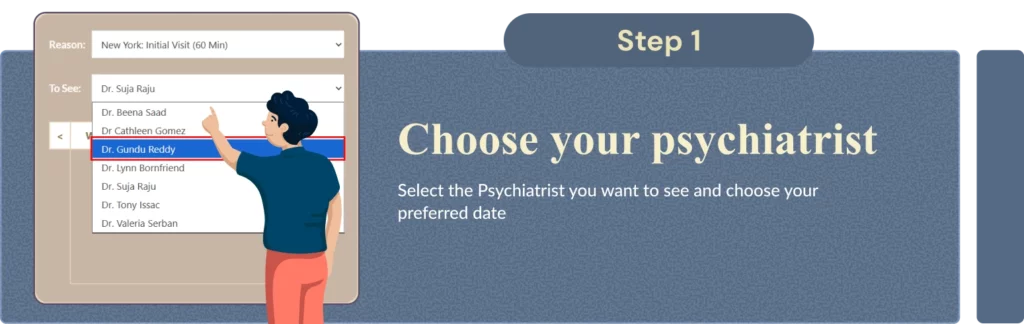
Book Your Appointment in 5 Easy Steps
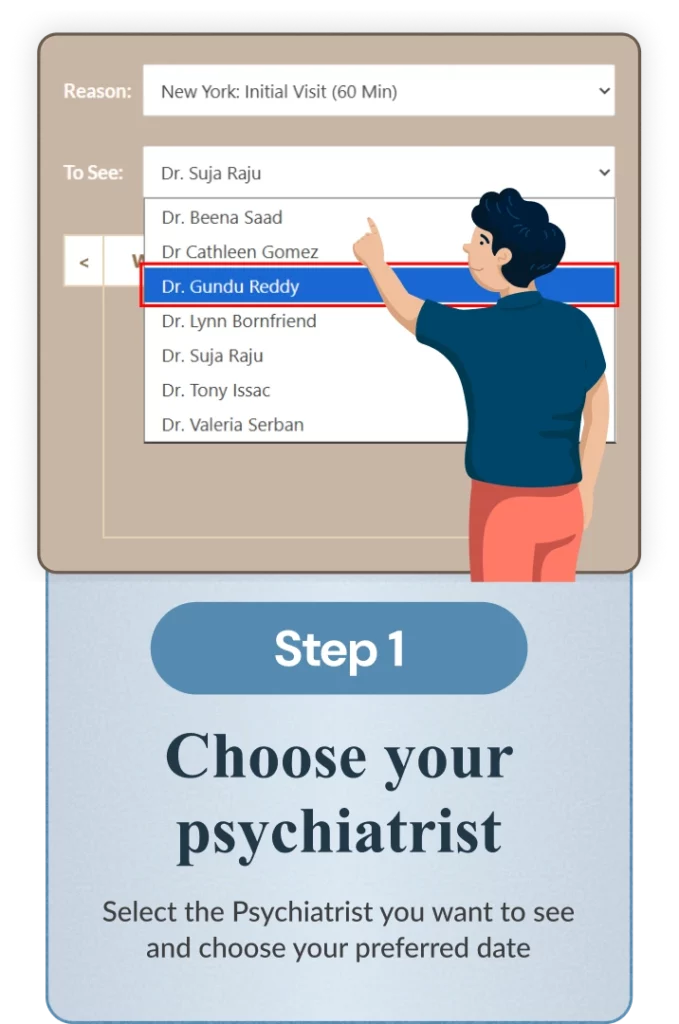
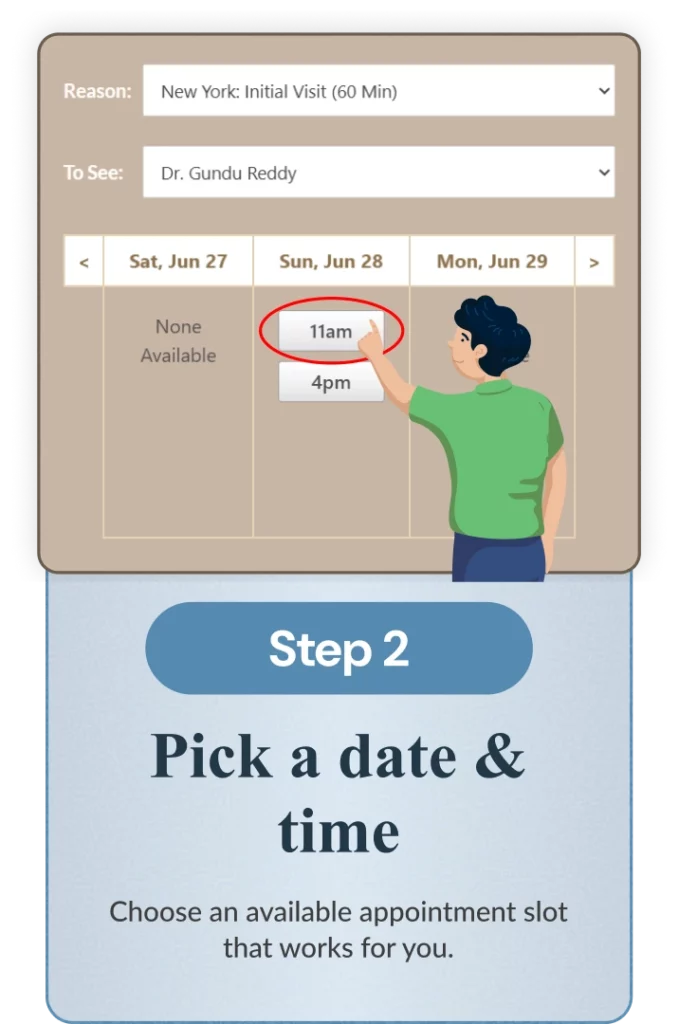
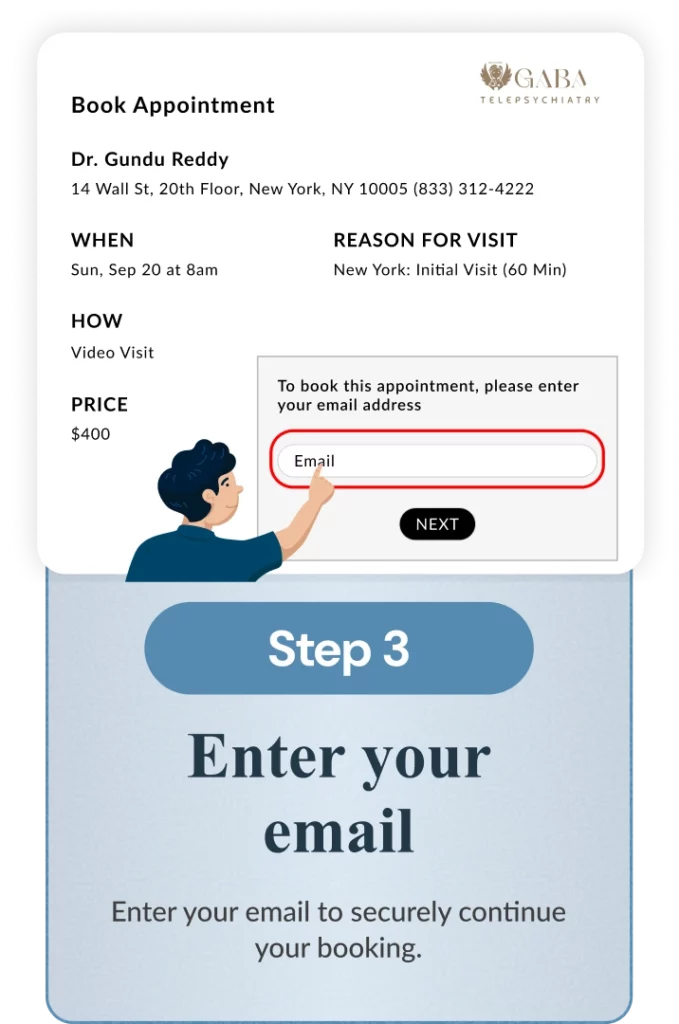
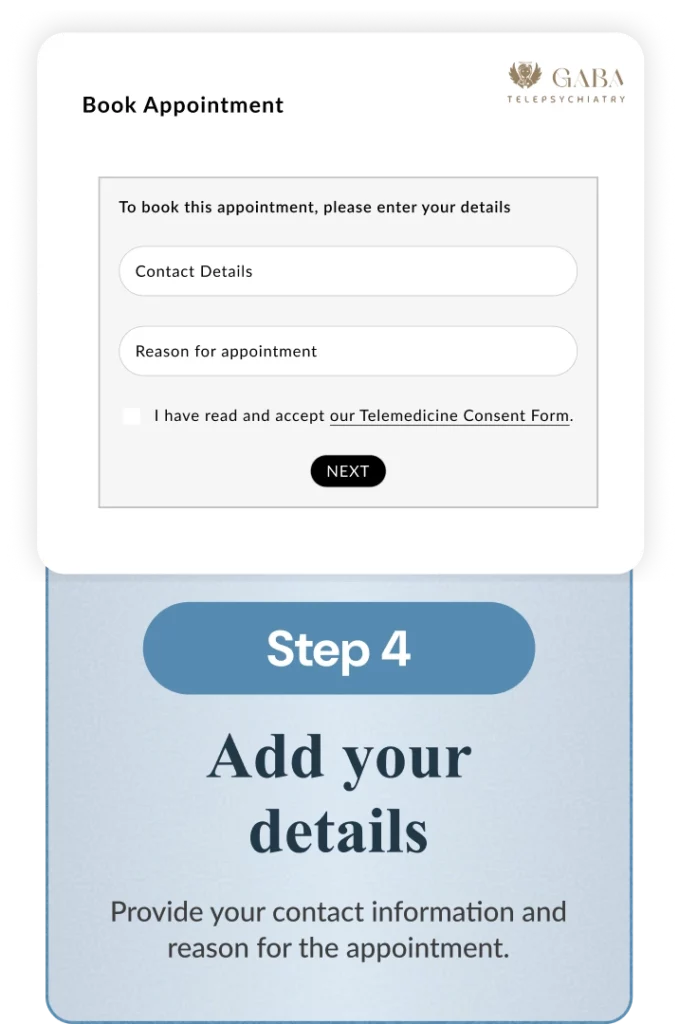





| State | Dr. Beena Saad | Dr. Tony Issac | Dr. Valeria Serban | Dr. Lynn Alison Bornfriend | Dr. Cathleen Gomez | Dr. Gundu Reddy | Dr. Suja Raju |
|---|---|---|---|---|---|---|---|
| California | Yes | – | Yes | Yes | – | Yes | – |
| Illinois | – | – | Yes | Yes | – | Yes | – |
| Florida | – | – | – | – | Yes | Yes | – |
| New Jersey | – | Yes | Yes | Yes | – | Yes | – |
| New York | Yes | Yes | Yes | – | Yes | Yes | Yes |
| South Carolina | – | – | Yes | Yes | – | Yes | Yes |
| North Carolina | Yes | – | – | Yes | – | Yes | Yes |
| Tennessee | – | – | – | Yes | – | Yes | Yes |
If you need help scheduling or have more questions,
Please call 18333124222 and ask for a patient advocate or forensic co-ordinator.
Schedule an Appointment with our Online Psychiatrists
| Services | Price (USD) |
|---|---|
| Initial Phone Consultation | $150 |
| Clinical Evaluation (Initial) | $400 |
| Clinical Evaluation (Follow Up) | $250 |
| Immigration / VAWA / Hardship Waiver | $2,400 |
| Bariatric Surgery | $1,200 |
| Competency / Disability | $1,200 – $1,600 |
| Guardianship | $1,600 – $3,000 |
| Contested Guardianship | $4,800 |
| Probation | $1,600 – $2,000 |
| Fitness for Duty | $1,800 – $2,000 |
| FOID / Firearms License | $1,800 – $2,400 |
| FAA / Aviation License | $2,000 – $2,400 |
| Criminal Defense | $2,000+ (varies by complexity) |
| Military / Law Enforcement | $2,000+ (varies by complexity) |
| Psychosexual Evaluation | $2,400 – $7,500 |
| Domestic Violence / Restraining Order | $2,400 |
| Child Custody | $2,500 – $3,500 |
| Fitness to Parent | $3,000 – $3,800 |
| Parental Alienation (Supervised Visits) | $4,200 – $5,000 |
| Parental Alienation (No Custody/Visitation) | $5,000 – $12,000 |
What is a Mental Health Evaluation?
A mental health evaluation is a clinical interview conducted with the purpose of screening for mental illness. It is a conversation between the psychiatrist and the patient to help decide the kind of support that they need. The initial screening is usually followed by more specific testing.
Such an evaluation is also used to screen for trauma, defenses, personality traits, external stressors, and medical illness, which may be contributing to mental health symptoms.
In some cases, its purpose is to determine safety and risk to self and others. An evaluation can also be used for clinical treatment, employment, court, child custody, or criminal defense. After obtaining an accurate diagnosis, the online psychiatrist can formulate a treatment plan and path towards recovery.


Immigration Mental Health Evaluation
An immigration mental health evaluation is a professional evaluation conducted by a mental health professional. It is conducted for immigration court or officials, and a licensed mental health professional completes it, more specifically, a Board- Certified Psychiatrist with extensive experience in forensic psychiatry.
The main purpose of the evaluation is to help the court understand the impact of an individual’s mental health. This impact can come from life experiences, including trauma, violence, or family separation. It also includes fear of returning home.
These evaluations can be used in many cases, including asylum, VAWA (Violence Against Women Act), U-visas, and T-visas. It can also be used for cancellation of removal or hardship waivers. During the evaluation, the forensic psychiatrist conducts a detailed interview that helps them learn about the person’s background, also covering their immigration history and emotional symptoms.
The forensic psychiatrist reviews medical records, including past psychiatric treatment records, therapist/ psychiatrist notes, outpatient or inpatient visitation notes, or any other mental health records. Standard psychological tests are also administered that help the evaluator understand the individual’s mental health better.
The report explains mental health conditions in layman’s terms and can cover conditions such as Post- Traumatic Stress Disorder (PTSD), anxiety, depression, and Obsessive Compulsive Disorder (OCD) among others, and explains how these conditions impact the individual’s daily life, including their relationships and overall functioning.
In cases of immigration, the mental health evaluation shows harm of separation, deportation, or denied benefits and showcases how these can cause serious emotional harm. This harm can affect the individual and their family. This evaluation is neutral, and professional. It does not refute or argue legal points, instead, it offers medical evidence. This evidence helps the court make fair decisions.


Fitness for Duty Mental Health Evaluation
A Fitness for Duty Mental Health Evaluation is a professional forensic psychiatric evaluation. It decides if someone can safely meet the demands of the job both mentally and emotionally. This evaluation is usually needed when there are concerns. These concerns might be about stress, behavioral changes, emotional stability, or mental health symptoms, and issues that could affect job performance or safety of an individual.
This type of evaluation is common for jobs with high responsibility. Examples include law enforcement officers, pilots, healthcare workers, military personnel, and security staff. Other sensitive positions may require a fitness-for-duty evaluation too.
A licensed Board- Certified Psychiatrist conducts the evaluation. The process typically begins with a detailed interview. During the interview, the evaluator asks about the person’s mental health history. They also ask about current symptoms and work stress, including addressing recent events causing concern. The evaluator is also required to review medical records, such as past mental health evaluations, therapy notes, letters from therapists/ psychiatrists or any other mental health professional. It is also common practice to review previous workplace reports of the individual.
According to the appropriate protocol, standardized psychological tests are also used. These tests help understand the individual’s thinking skills, and assess their emotional control, stress tolerance, and decision-making ability.
The goal of this evaluation is not to punish employees. It helps determine if the person can safely return to work. It also identifies if they need treatment or support. It can also determine if temporary work restrictions are needed. The final evaluation report prepared by the forensic psychiatrist explains the findings clearly and neutrally, sometimes also answering specific work-related questions from the employer or legal authority.


Military Mental Health Assessment
Assessment of a service member’s psychological well-being is intended to function as a continuous process rather than a discrete event, extending from pre-deployment screening through active service and into the period following return from deployment. This continuity is necessary because conditions such as post-traumatic stress disorder frequently emerge after a delay, sometimes months after the precipitating experience, rather than immediately.
The principal components of a comprehensive assessment framework include:
- Pre-deployment screening, intended to identify existing psychological vulnerabilities prior to operational exposure
- Ongoing evaluation during service, tracking changes in morale, stress tolerance, and cognitive functioning
- Post-deployment assessment, structured around the understanding that delayed symptom onset is common rather than exceptional
- Standardised instruments, including structured interviews, self-report questionnaires, and behavioural observation
- Confidentiality provisions, addressing the well-documented tendency of service members to underreport symptoms
The principal obstacle to effective assessment is not technical but institutional. The instruments themselves are reasonably well established; the difficulty lies in obtaining candid disclosure from individuals who reasonably fear that transparency may affect career progression. Militaries that have achieved measurable improvement in this area have generally done so by reframing assessment as an ongoing dialogue rather than a periodic checkpoint, thereby permitting earlier intervention before conditions escalate into more serious and less tractable forms.


Mental Health Evaluation for Military
A mental health evaluation for military personnel is a professional forensic assessment used to determine psychological fitness for duty. It helps to understand whether someone is mentally prepared to meet the demands of the job. They screen for conditions like PTSD, substance abuse, depression, etc. These evaluations are held due to concerns about behavioral changes, emotional issues, or mental health problems.
To get such evaluations done, you need a licensed, board-certified psychiatrist. It usually begins with a detailed interview that covers the person’s mental health symptoms, whether they are experiencing any work-related stress, and their complete medical history. The goal of this evaluation is to understand how their mental health is affecting their well-being, to provide an accurate diagnosis, and to understand if they can safely return to work or if they need any temporary work restrictions.
Once the evaluation is done, the psychiatrist may recommend therapy, medication, lifestyle changes, or any other treatment options based on the individual’s needs. The forensic psychiatrist then makes a detailed report, summarizes the assessment, presents the findings, and addresses any questions requested by the authorized personnel.
These evaluations may also assist legal counsel in preparing an appropriate defense strategy based on the findings. In many cases, the evaluator’s input can significantly influence outcomes within the broader criminal justice system and determine issues of criminal responsibility. One major use of these evaluations is in cases involving the insanity defense, where the goal is to assess the individual’s mental state at the time of the alleged criminal act and determine their legal accountability. In certain cases, these evaluations may be conducted within state hospitals, where secure environments allow for extended observation and assessment.
The evaluation process usually includes a thorough look at the defendant’s mental health history, such as past diagnoses, treatments, and any related psychological records, and results in comprehensive evaluations that explain the defendant’s mental state. The evaluator might also interview the defendant, give psychological tests, and collect information from family, friends, or other relevant sources. The report from the evaluator explains the defendant’s mental state and how it could affect their legal case, and suggests suitable legal and treatment services. In the broader litigation process, this mental health assessment ensures that mental health concerns are thoroughly considered.
In the end, a mental health evaluation in criminal defense is really important for making sure justice is done fairly and that defendants get the right care and attention for their mental health needs. One major use of these evaluations is in cases involving the insanity defense, where the goal is to assess the individual’s mental state at the time of the alleged crime and determine their legal accountability.
Psych Eval for Military
A psychiatric examination in relation to military service is a thorough analysis of one’s mental well-being carried out by a psychiatrist. A need for such an assessment might arise for various reasons concerning a service member, a veteran, an applicant, or people who have any legal, medical, or disability concerns involving military service.
Since military service is associated with many different stressors like a rigorous routine, deployment, witnessing traumatic events, separation from one’s family, possible injury, and other significant life changes, a psychiatric evaluation might clarify their influence on the patient’s state of mind, behavior, performance at work, and interaction with others.
A military psychiatric evaluation may be used for:
- Fitness-for-duty evaluations
- Return-to-duty evaluations
- VA benefits or disability evaluations
- PTSD and trauma-related evaluations
- Security clearance mental health reviews
- Discharge or separation-related evaluations
- Substance use and risk evaluations
- Depression, anxiety, or adjustment-related evaluations
- Personal injury or service-connected mental health claims
- Court, administrative, or employment-related military matters
As part of the evaluation, the psychiatrist typically examines the person’s psychiatric history, medical history, military history, deployment history, trauma history, medications, past treatment, substance abuse history, and current symptomatology. The psychiatrist may also consult military records, medical records, legal documents, work records, family members, or other collateral sources as needed. It is usual practice in forensic evaluations to examine relevant records and collaterals, because the resulting report should present an objective view on the case.
Some of the symptoms examined in the evaluation include insomnia, nightmares, panic attacks, depression, irritability, aggression, emotional numbing, difficulty concentrating, substance abuse, suicidal thoughts, or maladjustment following service. The evaluation should also examine whether the person poses a risk to himself/herself or others, whether they are fit to perform their duties, and what kinds of treatments they require.
A psychiatric evaluation for military cases must be conducted objectively, professionally, and in detail, without preconceived notions about the person being evaluated. The evaluation is not an indication of a person’s being “unfit” or “unstable”; rather, it explains the nature of the problem, possible causes, and what treatment might help. In the end, the report will provide useful insight into the person’s condition and needs.
Military Psych Evaluation Near Me
The military psychiatric evaluation can be done online using the online virtual appointment with a licensed Board- Certified Psychiatrist. This makes it possible for the service members, veterans, reservists, and military applicants to do the military evaluation at home without the need to travel to an office.
In selecting a psychiatrist for your online military psych assessment, some of the qualities that you need to look out for may include:
- Being licensed, insured, and professionally well-recognized
- Being a Board- Certified Psychiatrist with prior experience in forensic psychiatry
- Having subspecialties in disciplines such as child and adolescent psychiatry, geriatric psychiatry, consultation/liaison psychiatry, integrative psychiatry, or forensic psychiatry
- Having prior experience in writing well-structured and objective forensic psychiatric reports.
The psychiatrist is able to provide the online psychiatric assessment which is detailed in nature, record review, and professional forensic psychiatric report according to the referral questions.
Conducting your military psychiatric assessment online is made easy through the availability of such an experienced psychiatrist.
These evaluations may also assist legal counsel in preparing an appropriate defense strategy based on the findings. In many cases, the evaluator’s input can significantly influence outcomes within the broader criminal justice system and determine issues of criminal responsibility. One major use of these evaluations is in cases involving the insanity defense, where the goal is to assess the individual’s mental state at the time of the alleged criminal act and determine their legal accountability. In certain cases, these evaluations may be conducted within state hospitals, where secure environments allow for extended observation and assessment.
The evaluation process usually includes a thorough look at the defendant’s mental health history, such as past diagnoses, treatments, and any related psychological records, and results in comprehensive evaluations that explain the defendant’s mental state. The evaluator might also interview the defendant, give psychological tests, and collect information from family, friends, or other relevant sources. The report from the evaluator explains the defendant’s mental state and how it could affect their legal case, and suggests suitable legal and treatment services. In the broader litigation process, this mental health assessment ensures that mental health concerns are thoroughly considered.
In the end, a mental health evaluation in criminal defense is really important for making sure justice is done fairly and that defendants get the right care and attention for their mental health needs. One major use of these evaluations is in cases involving the insanity defense, where the goal is to assess the individual’s mental state at the time of the alleged crime and determine their legal accountability.
Army Mental Health
The psychological demands placed on soldiers rarely receive the same institutional attention as physical training, despite being equally consequential to service. Combat exposure, extended separation from family, and the burden of consequential decision-making accumulate over the course of a career, and when left unaddressed, frequently develop into anxiety, depression, or post-traumatic stress disorder. These conditions affect not only the individual soldier but the operational capacity of the unit as a whole.
Contemporary approaches to army mental health typically include the following elements:
- Psychological screening conducted at regular intervals throughout service, rather than only in response to visible distress
- Confidential counseling services, structured to minimise the risk of professional consequence for those who seek them
- Peer-support mechanisms, which are often more effective in early identification than formal clinical channels
- Training for officers in recognising early indicators of psychological strain among subordinates
- Reintegration programs following deployment, addressing the frequently overlooked difficulties of returning to civilian life
Institutional reform alone, however, does not resolve the underlying cultural obstacle. In many military environments, admitting psychological difficulty is still perceived as inconsistent with discipline and resilience. Meaningful progress therefore depends on leadership willing to demonstrate, through conduct rather than policy alone, that seeking support is compatible with competence.


Army Mental Health Evaluation
Military service imposes unique mental and emotional demands on any army personnel. Long deployment times, combat exposure, gruelling training, frequent moves, and the responsibility of protecting others can all take a toll on emotional well-being. Many army personnel do adapt to the change positively. Some may have symptoms such as anxiety, depression, post-traumatic stress, sleep problems, irritability, difficulty concentrating, or problems with adjusting to civilian life after deployment.
Recognising these issues is a very important step in protecting the health of individuals and the readiness of the military. Board-certified psychiatrists at GABA Telepsychiatry offer complete Army mental health evaluations for active duty soldiers, reservists, National Guard members, veterans, and those needing psychiatric evaluation for military-related purposes.
These evaluations may also assist legal counsel in preparing an appropriate defense strategy based on the findings. In many cases, the evaluator’s input can significantly influence outcomes within the broader criminal justice system and determine issues of criminal responsibility. One major use of these evaluations is in cases involving the insanity defense, where the goal is to assess the individual’s mental state at the time of the alleged criminal act and determine their legal accountability. In certain cases, these evaluations may be conducted within state hospitals, where secure environments allow for extended observation and assessment.
The evaluation process usually includes a thorough look at the defendant’s mental health history, such as past diagnoses, treatments, and any related psychological records, and results in comprehensive evaluations that explain the defendant’s mental state. The evaluator might also interview the defendant, give psychological tests, and collect information from family, friends, or other relevant sources. The report from the evaluator explains the defendant’s mental state and how it could affect their legal case, and suggests suitable legal and treatment services. In the broader litigation process, this mental health assessment ensures that mental health concerns are thoroughly considered.
In the end, a mental health evaluation in criminal defense is really important for making sure justice is done fairly and that defendants get the right care and attention for their mental health needs. One major use of these evaluations is in cases involving the insanity defense, where the goal is to assess the individual’s mental state at the time of the alleged crime and determine their legal accountability.
Army Mental Health Specialist
An Army Mental Health Specialist is a Board- Certified Forensic Psychiatrist who has additional training and experience in the assessment of mental health issues in a legal and military context. A forensic psychiatrist uses their medical and psychiatric expertise to develop an unbiased and scientifically sound expert opinion that may serve as helpful input for military authorities, attorneys, or court when there are any questions concerning mental health.
The forensic psychiatrist does an unbiased review of the available data before writing a full forensic report, which may involve the following activities, depending on the goal of the referral:
- Psychiatric interview
- Medical and mental health records review
- Military and service records review
- Collateral data and documentation review
- Psychological testing, where appropriate
The psychiatrist analyzes all the evidence objectively and writes down his clinical findings in an appropriate way. Thus, the forensic report contains an independent medical opinion formed according to the accepted psychiatric standards and clinical findings.
Being a Board- Certified Forensic Psychiatrist, the specialist remains objective throughout the entire process. The forensic report is developed based on medical and forensic standards to provide a complete picture of the mental health of an individual.
Mental Health Evaluation for Disability
Having a mental health diagnosis does not automatically qualify you for disability; many factors have to be considered :
- The type of mental illness
- Severity of symptoms
- Chronicity of symptoms
- Response to symptoms
- Concurrent factors such as chronic pain, physical injury, or illness.
How to get disability for mental health ?
- Compile your medical records.
- Complete a psychiatric evaluation.
- Prepare your resume, demonstrating previous work history.
- Letters from colleagues and supervisors, if appropriate.
- Letters from your psychiatrist, therapist, or primary care physician explaining how psychiatric illness is impairing your ability to work.
- Be open to receiving treatment.
How to get short-term disability for mental health?
Getting short-term disability for mental health is comparatively simple if you have private disability insurance.
- You have to complete a psychiatric evaluation.
- Demonstrate that you are receiving treatment
- Demonstrate that your psychiatric symptoms are prohibiting you from safely and effectively carrying out the duties required for your current employment.
You do not have to prove that you are completely debilitated. Only that you cannot safely perform the duties required for your current employment.
How to get long-term disability for mental health?
Fewer conditions qualify for long-term disability for mental health. These include
- Schizophrenia
- Severe types of Bipolar Disorder with psychosis and mania
- Schizoaffective Disorder.
- Moderate to severe autism spectrum disorder.
- Severe treatment-resistant depression.
- On rare occasions, severe PTSD
- Mental Retardation
Ultimately, in order to get a disability for mental health long-term, you have to demonstrate
- You suffer from a severe and chronic condition.
- Treatment has failed.
- You are unable to find and sustain employment.
What Happens During a Mental Health Evaluation?
- The online psychiatrist or mental health evaluator meets the client over a HIPAA- compliant video platform
- The client signs consent forms
- The mental health evaluator asks the client the purpose of the mental health evaluation to understand their goals
- The evaluator then asks them about:
- Presenting Complaint
- History of the presenting complaint: This includes recent symptoms or symptoms during the event, any recent trauma and stressors, and other mitigating factors and causative factors
- Recent Stressors
- Psychiatric History
- Substance Abuse History
- Trauma History
- Developmental History
- Family Psychiatric History
- Medical History
- Social History
- Relationship History
- Forensic History
- History of Violence
- After receiving answers, the mental health evaluator:
- Reviews collateral information
- Formulates a diagnosis
- Explains the diagnosis to the patient
- Orders lab tests in some cases to exclude hormonal
or other medical factors causing psychiatric illness - Explains medication and therapy options
- Finally, the mental health evaluation is documented
If the Mental Health Evaluation is for the court or an employer, an online psychiatrist provides a medical opinion about:
Stressors before illness
Whether the stressors have resolved
Whether the client needs further treatment
Client’s level of insight, and whether or not, he or she is likely to be compliant with treatment
Whether the client is likely to be a danger to themselves or others
Whether the client expresses regret and remorse for past offenses, whether he or she is likely to repeat offenses, and if the offenses were due to mental illness (in case of forensic evaluation)
How Much Does an Online Mental Health Evaluation Cost?
A mental health evaluation is typically more cost-effective when conducted online. However, it is typically the length of the evaluation and complexity which determines the price. Evaluations for the court and licensing boards are usually much more expensive and detailed than clinical evaluations.
Financing Partners
We understand that legal matters can have a huge emotional and financial impact on individuals and families. Sometimes the cost of the evaluations, including the legal fees, can feel unbearable in a problematic situation.
This is why at Gaba Telepsychiatry, we work with reliable financing partners who provide flexible payment options for individuals who have fair credit.
If you want to know more about this, please feel free to reach out to any of our client advocates to evaluate which particular financing option works for you the best.
A person with bad credit due to legal fees but a good payment history, may still be eligible for financing and payment plans, but the rates would be typically higher. In some cases we have in house payment plans, but not if there are court dealings.




How to Find a Mental Health Evaluator?
You can contact a board-certified psychiatrist for a mental health evaluation by scheduling online for an initial consultation or calling +1(833)312-4222.
Mental Health Evaluator
Medical health evaluations can be performed by therapists or psychiatrists. If you need an evaluation for court, criminal defense, employment, aviation, fitness to drive, or other legal purposes, you will require a board-certified psychiatrist.
Likewise, if you think you may need to be prescribed psychiatric medication, your mental health evaluator must be a medical doctor or a board-certified psychiatrist. He or she must have completed medical school and residency training, and have a valid license to practice medicine.
An initial clinical diagnostic evaluation can take 60 – 120 minutes. An evaluation for court and legal purposes can take several hours.
Court ordered Mental Health Evaluation
A mental health evaluation for court can be requested either by the judge, plaintiff, or defendant’s attorney. They are often requested for the purposes of criminal defense, DUI, child custody, guardianship, medical practice, personal injury, etc.

How a mental health evaluation may help you in court?
- A mental health evaluation or psychiatric evaluation will help you in court both for criminal defense or child custody, guardianship, professional licensing, personal injury, and many other situations.
- The psychiatric evaluation can help the judge and jury understand who you are as a person.
- If you have been accused of committing a crime or behaving inappropriately in the context of mental illness, a mental health evaluation can help explain your illness and how symptoms may have led you to behave in a way that is out of character.
- Mental health assessments can help you explain stressors, provocation, and other mitigating factors that may have led to a worsening of psychiatric symptoms. It can also give you a chance to explain how these stressors have been resolved.
- If you have been diagnosed with a mental illness, it is an opportunity to demonstrate that you have insight into your illness; you are willing to receive treatment and take the right steps toward recovery.
- Psychiatric evaluations can also help you demonstrate that you have worked towards recovery and that you are not a danger to yourself or others.
- A well-written mental health evaluation can sometimes strengthen your case to help your attorney request a lesser charge or a lighter sentence.
- A well-written assessment can strengthen your child custody case.
It can sometimes be intimidating when a judge orders a mental health evaluation. However, providing you follow the correct steps the evaluation can be used to your advantage.
As well as telling your side of the story, you can also place allegations into perspective, and provide collateral references e.g. from an employer to disprove allegations of severe mental illness or untreated mental illness.
Getting a court ordered psychiatric evaluation involves the following steps:
- Find a board-certified psychiatrist
- Submit a copy of the motion
- Schedule an interview with the board-certified psychiatrist
- Discuss the reasons and goals of your mental health evaluation
- Get an accurate diagnosis and treatment recommendations
If you have a history of mental illness, a court ordered mental health evaluation can give you a chance to demonstrate that you are receiving treatment, taking medications, and that your symptoms are under control. Demonstrating that you can take care of your mental health, gives you a chance to present yourself in a positive light.

Mental Health Evaluation for Veterans
A mental health evaluation for a veteran is a comprehensive evaluation that is done by a board-certified psychiatrist to assess how the mental health of the veteran impacts his/her life, job, and functioning. When it comes to matters of a legal or administrative nature, the forensic psychiatrist offers a neutral and objective opinion based on medical evidence instead of advocating for one side or another.
When conducting the evaluation, the forensic psychiatrist takes time to assess the veteran’s medical history, mental health, treatment history, medications, and the available medical records and military records. Also, they conduct a clinical interview to get to know more about the experiences of the veteran, what stresses him/her, and his/her emotional state.
The evaluation may entail:
- Comprehensive psychiatric interview
- Medical, mental health, and military records review
- Current symptoms and functioning assessment
- Past treatment and its effect review
- Standardized psychological testing, where necessary
After the process of evaluation, the forensic psychiatrist will write up a comprehensive report that will explain the findings in medical language. The report might offer opinions about the diagnosis, the functioning level, treatment recommendations, and mental health issues related to the issue the veteran has brought up.


Mental Health Services for Veterans
Service in the military could be very physically and psychologically stressful. Veterans usually cope once they retire from military service, but some might suffer from psychological problems that impact their life quality, interactions with other people, ability to work, and their general well-being. Consulting mental health specialists, more specifically, Board- Certified Psychiatrists, will help you deal with your emotions and have a good quality of life.
Mental health services for veterans are delivered by Board- Certified professionals such as licensed psychiatrists who conduct assessments and treat all sorts of mental health problems. Each veteran has different experiences and therefore gets his or her own treatment plan tailored specifically to his/her needs. The main idea is to provide compassionate and science-based treatment for mental illnesses.
The list of conditions that can be improved with mental health services includes:
- Anxiety and over-worrying
- Depression or chronic sadness
- PTSD
- Sleep disorders and insomnia
- Military and adjustment-related stress
- Mood disorders
- Grief and loss
- Adjustment problems to civilian life
- Interpersonal and family problems
- Emotional consequences of chronic pain or injury
The board-certified psychiatrist first conducts a full psychiatric evaluation. This involves exploring issues related to the medical history, the history of the patient’s mental illness, present symptoms, medication, military experience where applicable, and the effect of all of these on the life of the individual. Previous documents relating to past medical or treatment history are also considered as collateral information, in order to fully understand the problem of the individual.
Depending on the needs of the veteran, the mental health service can involve the following:
- Conducting comprehensive psychiatric evaluation
- Diagnosing mental disorders
- Medication management
- Continuing psychiatric consultations
- Treatment planning tailored to the needs of the individual patient
- Coordinating with therapists, primary care physicians, or other health professionals when necessary
- Referring to other mental health or community services
In certain situations, veterans need a mental health evaluation for legal, disability, vocational, or administrative reasons. Here, a forensic psychiatrist is tasked with conducting an independent and objective evaluation of the mental health state based on clinical facts, documentation, and psychiatry standards.
Veterans can also consider telepsychiatry, where they can consult Board-Certified Psychiatrists using a secure, HIPAA-compliant, video consultation method. Telepsychiatry services provide the opportunity to obtain expert mental health assistance without requiring veterans to travel, making it convenient for those who have difficulty traveling because of physical problems or lack of transport.
Timely access to mental health services can assist veterans in becoming aware of their condition, working on their coping mechanisms, promoting emotional stability, and increasing functional capability.
Mental Health Evaluation for Veterans with Pain Issues
There are many veterans who suffer from chronic pain due to the injuries, strains, and diseases that arise from military service. Chronic pain is also known to influence one’s mental health. For this reason, it is critical to undergo both mental and physical evaluation. The board-certified psychiatrist evaluates the effect of chronic pain in causing symptoms like anxiety, depression, stress, sleep disorders, and lack of ability to perform daily functions. In some cases, the forensic psychiatrist is required to conduct an objective evaluation of a veteran’s mental health.
An evaluation of mental health includes:
- Psychiatric evaluation
- Medical and psychological history
- Evaluating the influence of chronic pain on daily activities
- Evaluating mood, anxiety, sleep, and emotional status
- Reviewing current medications and treatments received in the past
Upon completion of the evaluation, the psychiatrist compiles a report on the findings and recommendations for any treatment needed. Veterans will benefit greatly from evaluating the relationship between chronic pain and mental status because they will be able to get individual treatment for mental and general well-being.
These evaluations may also assist legal counsel in preparing an appropriate defense strategy based on the findings. In many cases, the evaluator’s input can significantly influence outcomes within the broader criminal justice system and determine issues of criminal responsibility. One major use of these evaluations is in cases involving the insanity defense, where the goal is to assess the individual’s mental state at the time of the alleged criminal act and determine their legal accountability. In certain cases, these evaluations may be conducted within state hospitals, where secure environments allow for extended observation and assessment.
The evaluation process usually includes a thorough look at the defendant’s mental health history, such as past diagnoses, treatments, and any related psychological records, and results in comprehensive evaluations that explain the defendant’s mental state. The evaluator might also interview the defendant, give psychological tests, and collect information from family, friends, or other relevant sources. The report from the evaluator explains the defendant’s mental state and how it could affect their legal case, and suggests suitable legal and treatment services. In the broader litigation process, this mental health assessment ensures that mental health concerns are thoroughly considered.
In the end, a mental health evaluation in criminal defense is really important for making sure justice is done fairly and that defendants get the right care and attention for their mental health needs. One major use of these evaluations is in cases involving the insanity defense, where the goal is to assess the individual’s mental state at the time of the alleged crime and determine their legal accountability.
Mental Health Support Services for Veterans
Veterans have the option to receive online mental health care by connecting with a board-certified psychiatrist right from their home. With the help of online visits, veterans get access to high-level psychiatric treatment without having to go anywhere. There have been studies that suggest telepsychiatry provides quality diagnostic results, treatment efficacy, and patient satisfaction equivalent to face-to-face consultation.
Some services provided by psychiatrists via online consultations could include:
- Thorough psychiatric evaluations
- Diagnosis and treatment of psychological disorders
- Management of medications and aftercare services
- Customized treatment plans
- Consultations for therapeutic interventions and other related services if required
Moreover, an independent mental health evaluation could be carried out by a forensic psychiatrist for legal, occupational, disability, or administrative purposes for any veteran seeking the service. All evaluations are done objectively and in accordance with the medical and clinical background of the person.
With the help of online mental health care provided by board-certified psychiatrists, veterans can easily receive evidence-based treatment services in a convenient manner.
These evaluations may also assist legal counsel in preparing an appropriate defense strategy based on the findings. In many cases, the evaluator’s input can significantly influence outcomes within the broader criminal justice system and determine issues of criminal responsibility. One major use of these evaluations is in cases involving the insanity defense, where the goal is to assess the individual’s mental state at the time of the alleged criminal act and determine their legal accountability. In certain cases, these evaluations may be conducted within state hospitals, where secure environments allow for extended observation and assessment.
The evaluation process usually includes a thorough look at the defendant’s mental health history, such as past diagnoses, treatments, and any related psychological records, and results in comprehensive evaluations that explain the defendant’s mental state. The evaluator might also interview the defendant, give psychological tests, and collect information from family, friends, or other relevant sources. The report from the evaluator explains the defendant’s mental state and how it could affect their legal case, and suggests suitable legal and treatment services. In the broader litigation process, this mental health assessment ensures that mental health concerns are thoroughly considered.
In the end, a mental health evaluation in criminal defense is really important for making sure justice is done fairly and that defendants get the right care and attention for their mental health needs. One major use of these evaluations is in cases involving the insanity defense, where the goal is to assess the individual’s mental state at the time of the alleged crime and determine their legal accountability.
I needed an assessment for family court and it was difficult being I live in Florida, and I was dealing with family court in Maryland. It was tricky navigating this between states. Maryland DSS wanted me to fly up there from Florida for 3 days to get this assessment done and Dr.Reddy and her associates/staff were able to facilitate this lengthy assessment via Zoom, making a 3-day trip not needed which was so wonderful and…Read More
convenient for me. They sent their extremely thorough assessment to the necessary people in Maryland, and it resulted with me being reunified with my children. They were all very professional, compassionate, accommodating and competent. I would highly recommend Dr Reddy and her staff to anyone in need of such professionals
My case was incredibly complicated. Dr Reddy was able to compile information from a variety of different sources and, with her experience, training, and field expertise, piece together what was truly happening with my family and I. Her staff were dedicated to making sure I was prepared for her appointments. The appointments were easy to schedule around my full-time schedule. The staff was knowledgeable and…Read More
compassionate regarding my case. I found her compelling but still graceful in court. Her office maintained the highest level of professionalism I could have asked for. I could not thank them enough for their support!

