
Insanity Defense
Board Certified Psychiatrists specializing in the insanity defense assess defendants' mental states and competency, and plea, including not guilty by reason of insanity. For expert assistance, contact +1(833)312-4222.
Schedule An
Appointment
Find A psychiatrist

The insanity defense is when a defendant pleads “not guilty by reason of insanity.”
It is not always easy to achieve an insanity defense. Only certain psychiatric and neurological conditions qualify for the insanity defense. In order to achieve an insanity defense, an individual needs to complete a psychiatric evaluation conducted by an experienced Board Certified Psychiatrist.
What is Not Guilty by Reason of Insanity?
Not Guilty by Reason of Insanity is a legal term and defense strategy used by individuals who are diagnosed by Board Certified Psychiatrists and Neurologists with severe mental conditions or psychiatric illness, which renders them unable to control or understand their actions.
Conditions which may qualify for a not guilty by reason of insanity diagnosis include:
- Schizophrenia with Psychosis
- Manic Episodes with Psychosis
- Postpartum Psychosis
- Acute Delirium
- Moderate to Severe Dementia
- Proven Seizures
- Moderate to Severe Neurocognitive Disorders
- Medication Induced Psychosis
- Brain Tumor or Abscess
It is Important to note that there is no such thing as “temporary insanity.” The following conditions do not qualify for a ‘not guilty by reason of insanity’ defense or an insanity plea:
- Depression
- Panic Attacks
- Intermittent Explosive Disorder
- Post Traumatic Stress disorder
- ’Temporary Insanity’
- Recreational Drug Induced Psychosis
- Borderline Personality Disorder
- Dissociative Identity Disorder
It is still worth getting a psychiatric evaluation if an individual suffers from the above conditions. An evaluation can help put the situation into context, demonstrate what attempts the individual has made to receive treatment, and how the stressors have resolved.
Ultimately the purpose of the evaluation would not be for a ‘not guilty by reason of insanity defense’, but to demonstrate that the individual has received treatment, he/ she is proactive in taking care of your mental health and is no longer a danger to the community.
Insanity Defense Psychiatrists

Dr. Valeria Serban
Board Certified Psychiatrist
with Multiple State Licenses MBBS (MD)

Dr. Valeria Serban is a board-certified neuropsychiatrist with 20 years of professional experience and a keen passion for treating mental health illnesses using modalities such as therapy and medication management. She’s an expert in diagnosing and treating most mental health conditions with extensive experience with conditions such as anxiety, bipolar disorder, depression, dementia, obsessive compulsive disorder (OCD), mood disorder, panic disorder, postpartum depression, and psychosis, among others.
Dr. Serban has worked extensively in general adult psychiatry and geriatric psychiatry. She treats psychiatric illnesses associated with neurological conditions such as migraine, epilepsy, concussion, stroke, Parkinson’s, multiple sclerosis, sleep disorders such as narcolepsy, and other neurological conditions.
Dr. Serban has a kind and compassionate approach to patient care. She utilizes a combination of medication management and psychotherapy to help treat various types of psychiatric illness and age-related cognitive decline.
Dr. Serban is well-known for her warm and friendly personality and provides patients with a safe and comfortable environment for easy recovery and symptom management. She constantly researches different treatment options and works with her patients and their families to find the one that best suits their requirements.
Dr. Serban is multilingual and speaks fluently in six languages: English, Romanian, Italian, French, Spanish, and German.
Medical School
University of Medicine and Pharmacy “Carol Davila” Bucharest, Romania
Neurology Residency Training
University of Medicine and Pharmacy “Carol Davila” Bucharest, Romania
Master of Philosophy (M.Ph.) – Neuroscience
NYS Institute for Basic Research, New York
Internal Medicine Residency
Temple University Hospital, Pennsylvania
Neurology Residency
Temple University Hospital, Pennsylvania
Doctor of Philosophy (Ph.D.) – Neuroscience
NYS Institute for Basic Research, City University of New York – Graduate Center
Clinical Neurophysiology Fellowship
Massachusetts General Hospital – Harvard Medical School, Massachusetts
Board Certification
American Board of Psychiatry and Neurology (ABPN)
Electromyography – American Association of Neuromuscular and Electrodiagnostic Medicine (AANEM)
Neuromuscular Medicine – American Board of Psychiatry and Neurology (ABPN)
Recertification – American Board of Psychiatry and Neurology (ABPN)

Dr. Tony Issac
Board Certified Psychiatrist in New York & New Jersey (MD)

Dr. Tony Isaac is an experienced double Board Certified Psychiatrist with a keen interest in evaluating and treating mental health illnesses such as insomnia, panic attacks, depression, anxiety, OCD, bipolar disorder and schizophrenia.
Dr. Issac specializes in addiction recovery treatments and medication management and uses a combination of psychotherapy and sensitive medication titration to help his patients achieve a collaborative treatment plan. Using both medication and non-medication techniques, Dr. Issac focuses on recovery and healing, thereby improving the overall mental health of his patients and helping them live a fuller and happier life.
Dr. Issac is popular among his patients for being very kind, respectful, empathetic, articulate, patient, and always willing to listen. He conducts suicide assessments and acute stabilization, which includes working with the family and employer to provide the required care and support.
Medical School
St. George’s University: School of Medicine
Psychiatry Residency Training
Richmond University Medical Center: affiliate of Mount Sinai Health Network
Bachelors of Science (B.S.) in Psychobiology
Binghamton University – State University of New York
Board Certification
American Board of Preventative Medicine – Addiction Medicine, Board Certification
American Board of Psychiatry & Neurology – Psychiatry, Board Certification

Dr. Gundu Reddy
Board Certified Psychiatrist
with Multiple State Licenses MBBS (MD)

Dr. Gundu Reddy is a Board Certified Psychiatrist with over fifteen years of experience practicing clinical psychiatry experience. She also has ten years of experience practicing forensic psychiatry. Dr. Reddy has trained in medication management, psychodynamic psychotherapy, and cognitive behavioral therapy.
Dr. Reddy is interested in integrative psychiatry and believes multiple factors should be considered when evaluating and treating a patient. This, as per Dr. Reddy at includes genetic and developmental factors, medical illness, nutrition, hormones, and environmental and dynamic factors.
Dr. Reddy believes that it is extremely critical to understand psychodynamic conflict and the causes of symptoms while prescribing medication, family, or relationship therapy, understanding psychodynamic conflict and causes of symptoms as will help enhance the quality of care. Apart from psychodynamic training Dr Reddy also has a background in integrative psychiatry and treatment resistance.
Medical School
The United Medical Dental Schools of Guys Kings and St Thomas’ at King’s College London
Psychiatry Residency Training
Mount Sinai School of Medicine, New York
Psychodynamic Psychotherapy Training
NYU Psychoanalytic Institute
Board Certification
American Board of Psychiatry Neurology

Dr. Beena Saad
Triple Board Certified Psychiatrist
with Multiple State Licenses (MD)

Dr. Beena Saad is a triple-board-certified child and adolescent psychiatrist holding fellowships in child psychosomatic medicine and child and adolescent psychiatry, making her one of the best online psychiatrists for children and adolescents.
With extensive expertise in child and adolescent mental health, Dr. Saad is dedicated to providing comprehensive online psychiatric care for young patients. She specializes in diagnosing and treating a wide range of psychiatric disorders in children and teens, including:
- Anxiety disorders (Generalized Anxiety, OCD, Health Anxiety, Panic Disorders)
- Attention-Deficit/Hyperactivity Disorder (ADHD)
- Autism Spectrum Disorder (ASD)
- Mood disorders, including Childhood Bipolar Disorder and Depression
- PANDAS and Obsessive-Compulsive Disorder (OCD)
- Post-Traumatic Stress Disorder (PTSD)
- Tic Disorders
- Childhood Schizophrenia
- Sleep Disorders
- Learning Disabilities
- Substance Use Disorders
- Psychiatric symptoms related to chronic pain and long-term illnesses
Dr. Saad understands the unique emotional and developmental needs of children and adolescents. She believes in empowering young patients and their families through a personalized and collaborative treatment approach. She carefully assesses environmental influences, family dynamics, and developmental history to create tailored treatment plans for each child.
Her expertise in psychopharmacology allows her to provide safe and effective medication management when necessary.
Additionally, she is skilled in various evidence-based therapies, including:
- Cognitive Behavioral Therapy (CBT)
- Psychodynamic Psychotherapy
- Supportive Psychotherapy
- Childhood Therapy
- Family and Parent Counseling
As one of the best online psychiatrists for children and adolescents, Dr. Saad offers convenient and accessible telepsychiatry services that allow families to receive expert mental health care from the comfort of their homes. Her compassionate and patient-centered approach ensures that children receive the support they need to thrive socially, emotionally, and academically.
Languages Dr. Saad speaks:
English, Urdu, Hindi and Sindhi
Medical Education
M.B.B.S. – Sind Medical College, Pakistan
Postgraduate Training
Child Psychiatry Fellowship – University of New Mexico
Child Psychosomatic Medicine Fellowship – Albert Einstein School of Medicine
Registered State Licenses –
- NY – 284008-01
- CA – A 145498

Dr. Cathleen Gomez
Integrative Psychiatrist
with Multiple State Licenses (MD)

Dr. Cathleen Jane Gomez is an integrative psychiatrist with extensive experience in diverse mental health settings. As a leader in holistic psychiatry, she specializes in medication management, transcranial magnetic stimulation (TMS), and integrative approaches to treating mental health conditions.
Dr. Gomez’s expertise in integrative psychiatry allows her to blend traditional psychiatric treatments with innovative, evidence-based therapies.
She takes a whole-person approach to mental health, addressing biological, psychological, and environmental factors that contribute to mental well-being. Her focus is on understanding the root causes of psychiatric conditions and designing personalized treatment plans that cater to each patient’s unique needs.
Her areas of expertise include:
- Anxiety and Panic Disorders
- Depression and Mood Disorders
- Obsessive-Compulsive Disorder (OCD)
- Bipolar Disorder
- Post-Traumatic Stress Disorder (PTSD)
- Insomnia and Sleep Disorders
- Attention Deficit Hyperactivity Disorder (ADHD)
- Treatment-Resistant Psychiatric Conditions
Dr. Gomez incorporates a combination of psychotherapy, medication management, nutritional psychiatry, and lifestyle modifications into her treatment approach. She believes in empowering her patients by addressing hormonal imbalances, nutrition, gut health and mind-body connections to enhance overall well-being.
As one of the best online integrative psychiatrists, Dr. Gomez provides accessible and convenient telepsychiatry services, allowing patients to receive expert mental health care from the comfort of their homes. Whether treating treatment-resistant conditions or guiding patients through medication-free alternatives, she is committed to delivering compassionate, personalized, and effective psychiatric care tailored to each individual’s journey toward healing.
Medical School
Ross University School of Medicine, Dominica
Psychiatry Residency Training
Richmond University Medical Center, Staten Island, New York
Integrative Psychiatry Training
Integrative Psychiatry Institute, Boulder, Colorado
Registered State Licenses –
Florida State Medical License- ME143967
New York State Medical License – 300954-01

Dr. Lynn Alison Bornfriend
Board Certified Psychiatrist
with Multiple State Licenses (MD)

Dr Bornfriend is a triple board-certified psychiatrist with 30+ years of experience trained first with four years in adult psychiatry before completing child psychiatry and now she treats both children and adults across Illinois, South Carolina, California, Pennsylvania, Tennessee, New Jersey, North Carolina and Hawaii.
She is passionate about supporting patients dealing with a variety of disorders, including:
- Generalized Anxiety Disorder, separation anxiety, social anxiety disorder, phobias, panic disorder
- Mood Disorders, disruptive mood dysregulation disorder, major depressive disorder, premenstrual dysphoric disorder, bipolar affective disorder and cyclothymia
- OCD, body dysmorphic disorder, trichotillomania, excoriation
- Autism Spectrum Disorder
Reactive Attachment Disorder, adoption-related issues - PTSD, acute stress disorder, adjustment disorder, prolonged grief disorder
- Oppositional Defiant
- Disorder, intermittent explosive disorder, conduct disorder
- Eating Disorders, Sleep Disorders
- Gender Dysphoria
- Substance Dependence and Abuse
- Psychiatric Disorders Secondary to Medical Illness
Dr Bornfriend considers all symptoms presented through the lens of the individual patient’s developmental stage, while also evaluating the impact of family dynamics, environment, academic experience, and developmental/genetic variants. She understands the shift in the importance of autonomy and self-determination as the child grows towards adulthood, assisting the patient and his/her family with active empathic listening and respectful communication.
She has worked with children and adolescents as well as their families, their schools, and the court systems in a variety of modalities from evaluation and diagnosis, medication management, and individual and family therapies, from a supportive, insight-oriented, and CBT/DBT and other modalities.
Dr Bornfriend’s patients have appreciated her varied experiences and training throughout her career. They appreciate her creativity, her warmth, her humor, her intellectual curiosity, and her ability to connect with a wide variety of patients, despite varied backgrounds and levels of psychological mindedness. She has formed long-term, long-lasting relationships with patients, which have hada dramatic impact on their current life experiences as well as their futures.
Medical School:
Pennsylvania State College of Medicine–Hershey, PA
Psychiatric Residency Program:
Timberlawn Psychiatric Hospital–Dallas, TX
Child and Adolescent Psychiatry Fellowship:
Timberlawn Psychiatric Hospital–Dallas, TX
Board Certifications (American Board of Psychiatry and Neurology):
Psychiatry; Child and Adolescent Psychiatry; Forensic Psychiatry
Currently licensed in IL, SC, CA, PA, TN, NJ, NC and HI.

Dr. Suja Raju
Board certified Psychiatrist (MD)

Dr. Raju is a board-certified psychiatrist with more than nine years of clinical experience, certified by the American Board of Psychiatry and Neurology. She specializes in the comprehensive treatment of a wide range of psychiatric conditions, including depression, anxiety disorders, bipolar disorder, obsessive–compulsive disorder (OCD), attention-deficit/hyperactivity disorder (ADHD), post-traumatic stress disorder (PTSD), and schizophrenia.
With a strong commitment to delivering personalized, patient-centered care, Dr. Raju provides expertise in medication management, evidence-based psychotherapy, and thoughtful, sensitive medication titration. She has particular clinical interest and passion in women’s mental health and trauma-related disorders, striving to support and empower her patients through every stage of their healing journey.
Medical School
Universal College of Medical Sciences, Nepal
Psychiatry Residency Program
Mount Sinai School of Medicine Elmhurst
Program, New York
Board Certification
American Board of Psychiatry and Neurology
Adult Psychiatry
Language spoken
English and Malayalam
Schedule an Appointment with our Online Psychiatrists
Clinical Services: California, Florida, Illinois, New Jersey, New York, South Carolina, Tennessee , Long Island
Forensic Psychiatry Services: All of the US and Canada


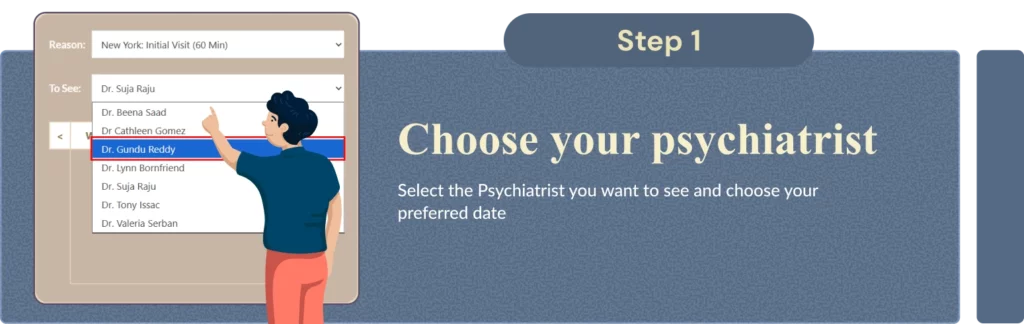
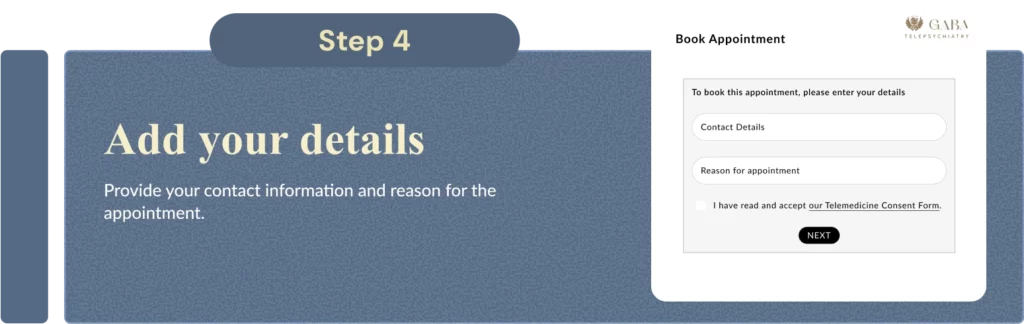
Book Your Appointment in 5 Easy Steps
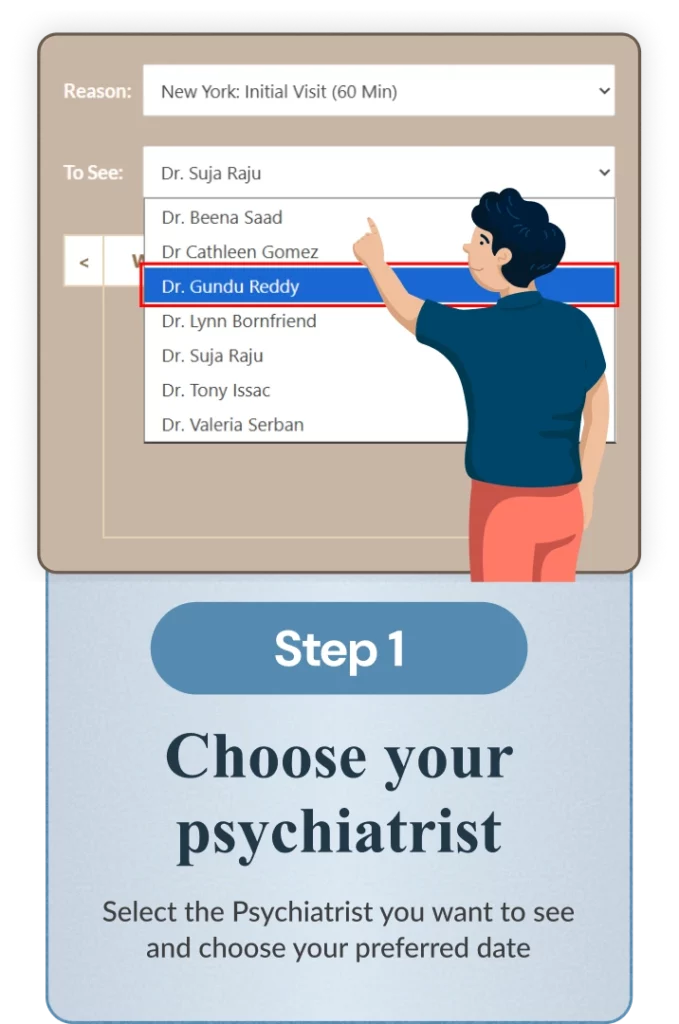
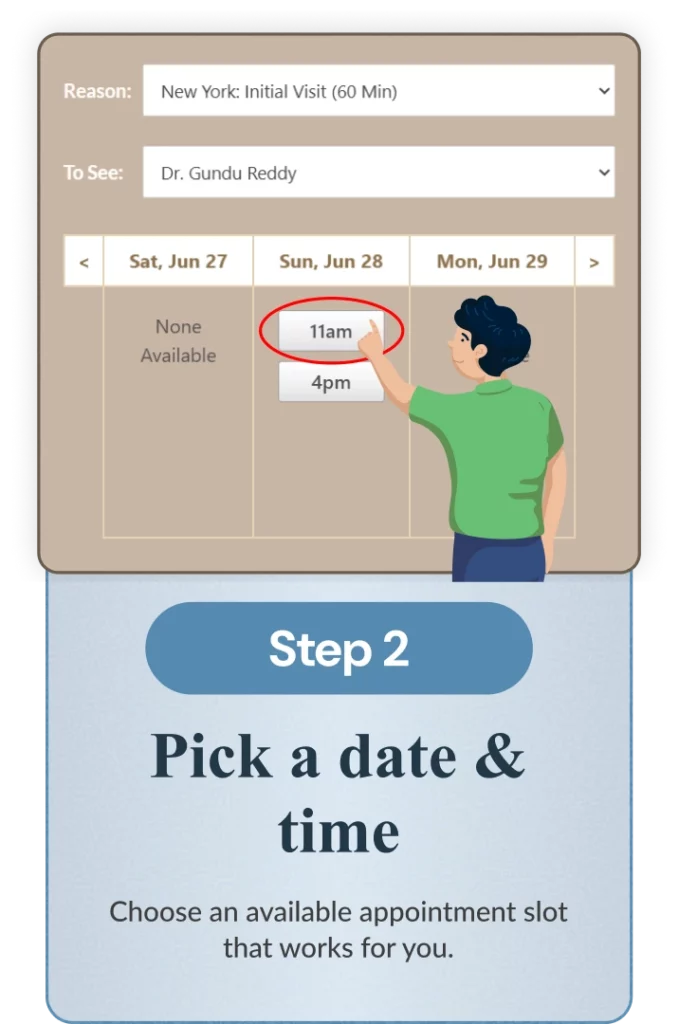
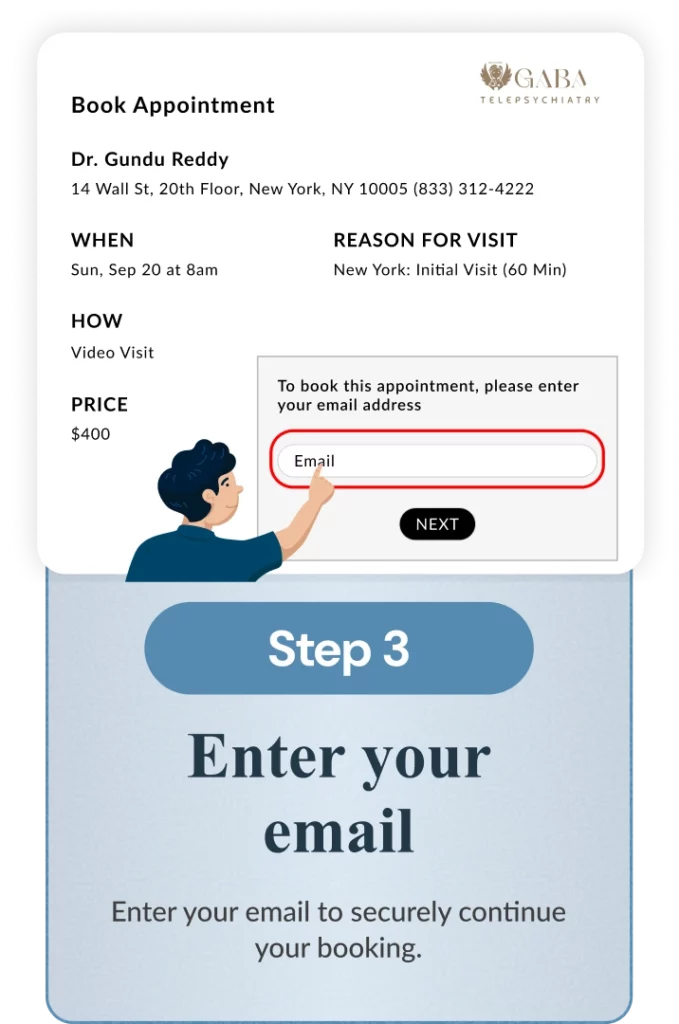
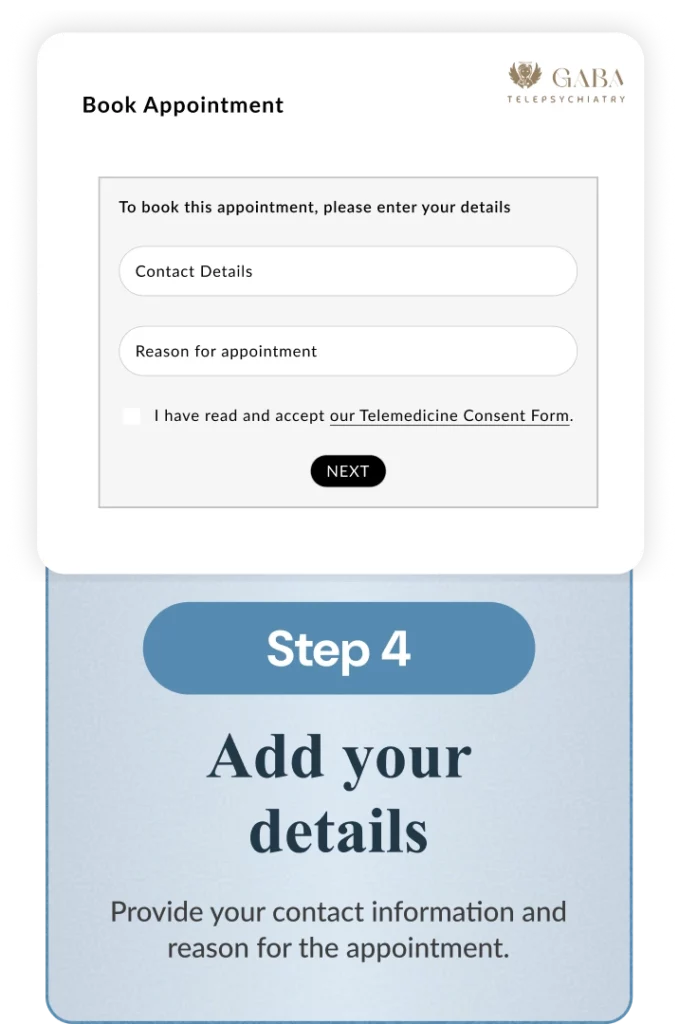




| State | Dr. Beena Saad | Dr. Tony Issac | Dr. Valeria Serban | Dr. Lynn Alison Bornfriend | Dr. Cathleen Gomez | Dr. Gundu Reddy | Dr. Suja Raju |
|---|---|---|---|---|---|---|---|
| California | Yes | – | Yes | Yes | – | Yes | – |
| Illinois | – | – | Yes | Yes | – | Yes | – |
| Florida | – | – | – | – | Yes | Yes | – |
| New Jersey | – | Yes | Yes | Yes | – | Yes | – |
| New York | Yes | Yes | Yes | – | Yes | Yes | Yes |
| South Carolina | – | – | Yes | Yes | – | Yes | Yes |
| North Carolina | Yes | – | – | Yes | – | Yes | Yes |
| Tennessee | – | – | – | Yes | – | Yes | Yes |
If you need help scheduling or have more questions,
Please call 18333124222 and ask for a patient advocate or forensic co-ordinator.
How to Prepare for Insanity Defense ?
The individual’s attorney will have to use an insanity plea based on the validity of their case, and the results of a psychiatric evaluation.
Ask your attorney to subpoena all your medical records, going as far back as possible –
Your mental health history is significant to show if there is a pattern of illness or instability. By getting your medical records through a legal request, your attorney can see details about any diagnoses, treatments, inpatient or outpatient programs, or mental health episodes you have experienced. These records will help prove that your mental health issues are not new, but have been ongoing, which supports your defense.
Retrieve your pharmacy records –
Pharmacy records will show the medications you have been prescribed in the past, and are currently taking, especially for mental health conditions. These records can reveal if you have been given antipsychotics, antidepressants, mood stabilizers, or other psychiatric drugs. Regular use or sudden changes in these medications might help show how your mental state was impacted by the treatment procedure, which could support the claim that your mental condition influenced your actions during the alleged situation/ offense.
Retrieve your medical records at the time of the offense –
These records are of high importance for an insanity plea because they show your mental state around the time of the offense. They may include things like emergency room visits, inpatient/ outpatient visits, psychiatric evaluations, or discussions with mental health professionals. If these documents show that you were facing a crisis or had a breakdown near the time of the offense, it could help prove that you were not thinking clearly when it happened. The connection between your mental health and the timing of the offense is important to convince the court that your mental state was impaired.
Provide as many witnesses as possible –
Witnesses can talk about your behavior, mood, and any troubling actions before or during the offense. Family members, friends, co-workers, partners, ex-partners, or doctors who interacted with you can share their experiences of your mental state. Their references help the court understand how your mental condition was manifested in their interactions with you and how it might have impacted your decisions during the offense. The more people who can testify about your mental instability, the stronger your defense will be.


How does the Insanity Defense Work?
The individual accused of the offense must show, with help from experts and mental health evaluations by Board Certified Psychiatrists, that they could not understand what they were doing or tell right from wrong. If they succeed, they might be found not guilty due to insanity and sent to a mental health facility instead of serving their sentence in a prison. An insanity plea is key in demonstrating that the defendant was not responsible for their actions due to their mental state at the time of the offense.
Legal Standards –
The definition of legal insanity may differ depending on the jurisdiction, but it usually refers to the situation when an individual cannot understand what they are doing or cannot tell right from wrong at the time of the offense. Some common guidelines used to judge this include the M’Naghten Rule, and the Durham Rule.
Burden of Proof –
In many jurisdictions, the burden of proof lies with the individual accused of the offense, to establish their insanity at the time of the offense. This usually requires presenting evidence, such as expert testimony from mental health professionals, preferably, a Board Certified Psychiatrist.
Evaluation –
If a defendant raises an insanity plea, they are required to undergo psychological evaluations to assess their current mental state and their mental state at the time of the crime. This evaluation typically includes interviews, psychological testing, and a review of the defendant’s history, such as their medical records, past police reports, medication history, along with their family’s past psychiatric history.
Trial Outcome –
If the court finds the defendant not guilty by reason of insanity, they may be committed to a mental health facility rather than being sentenced to prison. The length of confinement can vary and often depends on the individual’s mental health condition and risk to society.


Difference between an Insanity Defense and Not Guilty by Reason of Insanity
Insanity Defense
The insanity defense is a term used in layman language where an individual admits they committed the crime, but because of a mental illness, they should get a lighter sentence or a different punishment.
It focuses on the individual’s mental state at the time of the offense, showing that even though they knew what they were doing, their illness made it difficult for them to fully understand or control their actions.
This defense can result in a less severe punishment or treatment in a mental health facility instead of a prison, but it does not mean they are completely acquitted of the crime. An insanity plea may be used to argue that the individual’s mental state at the time of the crime warrants this different approach.
Not Guilty by Reason of Insanity
Not Guilty by Reason of Insanity claims that an individual’s mental illness was extremely severe and they could not understand that what they were doing was wrong at the time of the crime/ offense.
As a result, they cannot be held legally responsible because their condition prevented them from having the intent to commit a crime.
If this defense works, the individual is found not guilty, but they may still be sent to a mental health facility for treatment until they are no longer considered a danger. The insanity plea plays a key role in proving that the individual was unable to comprehend their actions fully due to their mental state.


Who Can Use the Insanity Defense?
A defendant who committed an offense can use the insanity defense if they claim they were mentally incapacitated and not responsible for their actions at the time.
Here are some conditions that might result in a “not guilty by reason of insanity” verdict:
Schizophrenia with Psychosis
Schizophrenia involves delusions, hallucinations, distorted thinking, and speech impediment. This can make it difficult for an individual to tell what is real, which may allow them to use an insanity plea in court.
Manic Episodes with Psychosis
In bipolar disorder, intense manic episodes can lead to psychosis, making individuals suffering from it, believe things that are not true or see and hear things that are not really present. This impacts their thoughts and actions.
Postpartum Psychosis
This uncommon but severe condition happens to mothers after they give birth and can cause false beliefs, seeing things that are not there, and extreme mood changes, making it challenging for the mother to understand what she is doing.
Acute Delirium
Delirium is a sudden and severe state of confusion that can happen due to an illness or drug use. It can affect an individual’s awareness and thinking, which could result in strange or irrational behavior.
Moderate to Severe Dementia
As dementia gets worse, it can make it challenging for individuals to think clearly, remember things, which affects their ability to make decisions, making them behave in ways that do not reflect reality.
Proven Seizures
Some types of seizures, especially those related to temporal lobe epilepsy, can cause changes in awareness, which might lead to confusion or strange behavior.
Moderate to Severe Neurocognitive Disorders
These disorders, such as traumatic brain injury, can hurt memory, thinking, and self-control, which could make it difficult for an individual to understand their actions.
Medication-Induced Psychosis
Some medications can cause serious mental issues, like seeing things that are not there or believing things that are not true, which can make it challenging for someone to think clearly and understand what is real.
Brain Tumor or Abscess
Unusual growths or infections in the brain can change how a person thinks, acts, and feels, which may result in confusion or poor decision-making.
Why is the Insanity Defense Important?
The insanity defense matters for a few key reasons, both in how the law works and how it’s used in real life:
Justice and Fairness –
The primary goal of the insanity defense is to make sure that individuals who are mentally unstable and cannot understand their actions are not judged the same way as those who are mentally healthy. This follows the argument that punishment should fit the individual’s level of blame, and the insanity plea plays a key role in this process.
Mental Health Considerations –
The insanity defense shows that we need to expand our knowledge on mental health in the legal system, more specifically, criminal law. It recognizes that a serious mental condition can greatly impact how a person thinks and acts, and that those with these conditions should receive treatment instead of being incarcerated. The insanity plea highlights the importance of addressing mental health in legal proceedings.
Public Safety –
The insanity defense might look like it is giving individuals a “free pass,” but it actually helps keep everyone safe. When someone is found not guilty because of insanity, they are usually committed to a mental health facility for treatment. While this setting is designed to provide the necessary help for their condition, it is not necessarily an improvement over prison; they are often incarcerated there until they are deemed well. This can effectively result in a de facto life sentence, potentially longer than the jail time they would have received. The insanity plea can help ensure that individuals receive the care they need rather than being held in standard prison conditions.
Preventing Misuse of Legal Systems –
The insanity defense helps protect individuals with mental health problems from being unfairly treated by the legal system. Without it, those who might not fully understand their actions (individuals suffering from certain psychotic conditions) could be wrongly punished, which could result in more mental health issues and more time being incarcerated. The insanity plea serves as a safeguard against such injustices.
Promoting Treatment over Punishment –
The insanity defense acknowledges that mental illness can influence criminal behavior, which encourages a focus on treatment instead of just punishment. This approach can improve results for both individuals and society because proper treatment, facilitated by the insanity plea, can lower the chances of reoffending.


Competency to Stand Trial vs Insanity Defense

The terms “competency to stand trial” and the “insanity defense” are both important in the context of criminal law, but they focus on different parts of an individual’s mental state and ability.
Competency to Stand Trial
Competency to stand trial means that a defendant has the mental ability to understand what is happening in their legal case and can take part in their defense. To be considered competent, the defendant must know what charges they are facing, understand who is involved in the trial (like the judge, jury, and their attorney), and be aware of what might happen if they are found guilty.
They are also required to assist their attorney prepare their defense, which means they should understand their situation and be able to communicate in an effective manner. Competency is usually evaluated before the trial through psychological evaluations by a Board Certified Psychiatrist. If someone is found incompetent, the trial might be delayed until they get the help they need to become competent.
It is crucial to note that being competent does not mean the defendant has to be free of any mental condition; they just need to have a clear understanding of the trial.
Insanity Defense
The insanity defense is a legal argument in criminal law that claims a person could not understand what they were doing or comprehend their actions because of a serious mental condition when they committed an offense. This defense looks at the individual’s mental state at the time of the crime, not how well they can participate in the trial.
Different countries and states have different rules for this defense. For instance, the M’Naghten Rule checks if the individual knew right from wrong, while the Model Penal Code looks at whether they could understand that what they did was wrong. Usually, it is up to the defense to prove that the person was insane, which can be challenging.
If they succeed, the individual is found “not guilty by reason of insanity” and will be assigned a mental health facility instead of prison.
Both competency and the insanity defense are important, but they look at different things about a defendant’s mental state. Competency is checked before a trial to see if the defendant can understand and take part in the legal process. On the other hand, the insanity defense looks at the defendant’s mental state at the time the offense took place.
The results of these evaluations are different as well. If someone is found incompetent, they usually get treatment to help them become competent. If someone successfully uses the insanity defense, they typically receive mental health treatment in a psychiatric facility instead of going to prison.
Financing Partners
Legal situations can feel exhausting, and the financing can be hard to manage at times. Individuals are often trying to manage both stress and unexpected legal expenses at the same time.
To help make this entire process easily accessible, Gaba Telepsychiatry works with financing partners who provide short-term loan options for people with a fair credit score to help with the evaluation charges.
If you need assistance in exploring financing options, our client advocates are there to help you understand the available options to select a plan that fits your needs.
A person with bad credit due to legal fees but a good payment history, may still be eligible for financing and payment plans, but the rates would be typically higher. In some cases we have in house payment plans, but not if there are court dealings.




I am an attorney in Missoula, MT. I had the pleasure of working with Dr. Reddy in a divorce action. She was…Read More
thorough and prompt. I would highly recommend her as a huge advocate for your client in common.
Read Less
As an emergency physician I would love to refer my patients to a service like this. What a great resource for so many people who would benefit from the ease of tele-psychiatry…Read More
Dr. Reddy is highly respected in her field and patients absolutely love her. I definitely recommend Dr. Reddy and this valuable resource to everyone!
Implications of Not Guilty by Reason of Insanity
Even if an individual achieves a “not guilty by reason of insanity verdict,” he/ she would still have to serve his/ her sentence in a forensic psychiatric facility. Discharge from such facilities can take years due to lack of resources, and individuals are not automatically discharged when their sentence is complete. They have to prove that they are no longer a danger to the community. The insanity plea does not automatically guarantee release; it only initiates the process for this legal outcome.
Generally for minor crimes it is better for individuals to serve their sentence, as the discharge time is often quicker. Each case is different and it is encouraged for individuals to discuss the pros and cons with their attorney.
For minor crimes it is usually suggested that individuals complete a psychiatric evaluation, demonstrate they are receiving treatment and taking the steps not to re-offend, and ask their attorney to try to negotiate a plea deal. In some cases, an insanity plea might provide a more appropriate course of action, especially if the individual’s mental health is a central factor.
For more serious or heinous crimes like murder and manslaughter, a ‘not guilty by reason of insanity’ defense may help an individual reduce the time spent incarcerated, whether in a prison or a forensic psychiatric facility.
How Successful is the Insanity Defense?
An insanity defense is likely to succeed if an individual can prove that they have serious mental health issues like psychosis, delirium, or dementia, and these issues were caused by a medical condition or medication side effects, not drug abuse. Having medical records and witnesses to back up their claim helps a lot. The outcome also depends on the judge and the district attorney, so it is important for an individual to talk to their attorney about whether this defense is right for them.
To use the insanity defense, an individual typically needs to provide medical records, pharmacy records, and witnesses.
They also need to prove that they are not faking their condition. Even if this is their first time experiencing psychosis or delirium, they can still use this defense if they have other evidence to support their case.

