
Child Psychiatrist
Choosing the right approach is crucial for treating mental health in children, teens, and adolescents, and online child psychiatrists offer immediate support.

Finding the right child psychiatrist for your child or adolescent can be a challenge. In addition to specialist training and experience, the child psychiatrist must be able to connect with the child and ensure the child feels comfortable.
When May a Child or Adolescent Need a Psychiatrist?
Many patients are afraid to seek help for their child, as they may worry that they are overreacting, or the other parent may disagree that their child needs help. Some patients may be afraid of stigma or being judged themselves. Ultimately, the question is what constitutes normal growing pains and what constitutes a psychiatric condition that needs treatment.
Signs that your child or adolescent should see a child psychiatrist are:
- Delayed milestones
- Speech delay
- Difficulty with socialization
- Aggression and behavioral difficulties
- Inattention or hyperactivity
- A decline in the child’s academic performance
- Signs of excessive fear or anxiety
- Not enjoying previously enjoyed activities such as playdates or sports
- Video game addiction
- An occurrence of night terrors or nightmares
- Suicidal ideation
- Drug or alcohol abuse
- Unpredictable tantrums and shifts in temper
- Self-destructive behaviors
- Persistent hostility
- Suspected ADHD
- Suspected high-functioning autism
- Sleep difficulties
- Chronic irritability
- A recommendation from the child’s teacher or pediatrician
- Trauma, abuse, bullying
A child psychiatrist should be able to understand difficulties at home, school, and other stressors. The physiology of children is different, and their response to medication can also depend on stages of brain development and ongoing education.
Child psychiatrists are trained to assess and treat behavioral, thought, and intellectual disabilities and are qualified to develop individualized treatment plans that meet each child’s unique needs, depending on their symptoms and lifestyle and child’s condition, including psychosocial interventions. They can also provide care for hospitalized children, ensuring continuity of treatment in more acute or intensive settings.



Dr. Beena Saad was absolutely wonderful! She was professional, attentive, and made me feel comfortable throughout the entire visit. She took the time to listen to my concerns, explained everything clearly, and offered thoughtful recommendations. The appointment…Read More
was on time, the staff was friendly, and the whole experience was smooth from start to finish. I’d highly recommend her to anyone looking for a caring and knowledgeable provider!
Dr. Reddy understood the direness of the situation with my child and I and took the time to thoroughly and inadvertently test me through long sessions that were at times difficult to navigate due to the length of my custody case. Although I never had a chance to…Read More
meet Dr. Reddy face-to-face, I believe her diagnosis and psychiatric expertise were exactly what was necessary for the courts to see that I am more than fit to parent my child without any further hinderance from the Petitioner in my case.
Dr. Bornfriend is a wonderful psychiatrist. She is not only a psychiatrist, but she cares so much that she reached into her own personal life experiences to convince me that I had the strength to go through with treatment when I didn’t believe in myself. I was stage 3 cancer. I had a negative perspective on everything in reference to cancer treatment. Dr. Bornfriend put…Read More
an optimistic spin on everything that I was confronted with. I’m SOOOOOO glad I met her. She was right! I could not do it on my own, I definitely needed help. I thank God for this woman. Working with her was an integral element of my healing process.
Adolescent Psychiatrist

Dr. Gundu Reddy
Board-Certified Psychiatrist and acting Medical Director at Gaba Telepsychiatry.
Special interest in Integrative Psychiatry, Forensic Psychiatry & Child Psychiatry

Dr. Gundu Reddy is a Board Certified Psychiatrist with over fifteen years of experience practicing clinical psychiatry. She also has ten years of experience practicing forensic psychiatry. Dr. Reddy has trained in medication management, psychodynamic psychotherapy, and cognitive behavioral therapy, which makes her a competent child and adolescent psychiatrist.
Dr. Reddy is interested in integrative psychiatry and believes multiple factors should be considered when evaluating and treating a patient, especially children and teenagers. This, as per Dr. Reddy includes genetic and developmental factors, medical illness, nutrition, hormones, and environmental and dynamic factors.
Dr. Reddy believes that it is extremely critical to understand psychodynamic conflict and the causes of symptoms while prescribing medication, family, or relationship therapy as an adolescent psychiatrist. She also believes that understanding psychodynamic conflict and causes of symptoms will help enhance the quality of care. Apart from psychodynamic training, Dr. Reddy also has a background in integrative psychiatry and treatment resistance.
Medical School
The United Medical Dental Schools of Guys Kings and St Thomas’ at King’s College London
Psychiatry Residency Training
Mount Sinai School of Medicine, New York
Psychodynamic Psychotherapy Training
NYU Psychoanalytic Institute
Board Certification
American Board of Psychiatry and Neurology
best child psychiatrist
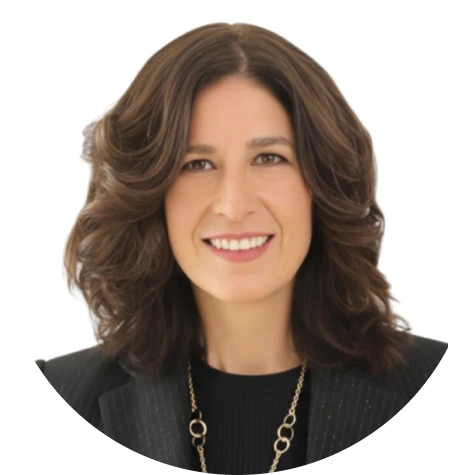
Dr. Lynn Alison Bornfriend
Board Certified Psychiatrist with Multiple State Licenses (MD)
Special interest in Child and Adolescent psychiatry
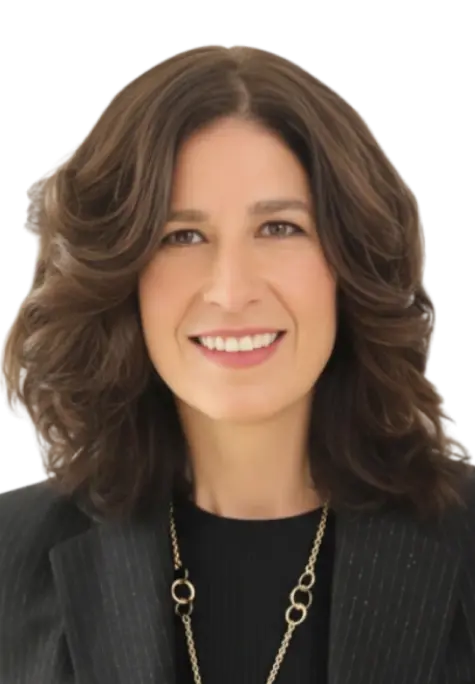
Dr Bornfriend is a triple board-certified psychiatrist with 30+ years of experience trained first with four years in adult psychiatry before completing child psychiatry and now she treats both children and adults across Illinois, South Carolina, California, Pennsylvania, Tennessee, New Jersey and Hawaii.
She is passionate about supporting patients dealing with a variety of disorders, including:
- Generalized Anxiety Disorder, separation anxiety, social anxiety disorder, phobias, panic disorder
- Mood Disorders, disruptive mood dysregulation disorder, major depressive disorder, premenstrual dysphoric disorder, bipolar affective disorder and cyclothymia
- OCD, body dysmorphic disorder, trichotillomania, excoriation
- Autism Spectrum Disorder
Reactive Attachment Disorder, adoption-related issues - PTSD, acute stress disorder, adjustment disorder, prolonged grief disorder
- Oppositional Defiant
- Disorder, intermittent explosive disorder, conduct disorder
- Eating Disorders, Sleep Disorders
- Gender Dysphoria
- Substance Dependence and Abuse
- Psychiatric Disorders Secondary to Medical Illness
Dr Bornfriend is a compassionate and highly skilled child psychiatrist dedicated to supporting the emotional and behavioral well-being of children and adolescents.
Dr Bornfriend considers all symptoms presented through the lens of the individual patient’s developmental stage, while also evaluating the impact of family dynamics, environment, academic experience, and developmental/genetic variants. She understands the shift in the importance of autonomy and self-determination as the child grows towards adulthood, assisting the patient and his/her family with active empathic listening and respectful communication.
She has worked with children and adolescents as well as their families, their schools, and the court systems in a variety of modalities from evaluation and diagnosis, medication management, and individual and family therapies, from a supportive, insight-oriented, and CBT/DBT and other modalities.
Dr Bornfriend’s patients have appreciated her varied experiences and training throughout her career. They appreciate her creativity, her warmth, her humor, her intellectual curiosity, and her ability to connect with a wide variety of patients, despite varied backgrounds and levels of psychological mindedness. She has formed long-term, long-lasting relationships with patients, which have hada dramatic impact on their current life experiences as well as their futures.
Medical School:
Pennsylvania State College of Medicine–Hershey, PA
Psychiatric Residency Program:
Timberlawn Psychiatric Hospital–Dallas, TX
Child and Adolescent Psychiatry Fellowship:
Timberlawn Psychiatric Hospital–Dallas, TX
Board Certifications (American Board of Psychiatry and Neurology):
Psychiatry; Child and Adolescent Psychiatry; Forensic Psychiatry
Currently licensed in IL, NC, SC, CA, PA, TN, NJ and HI.
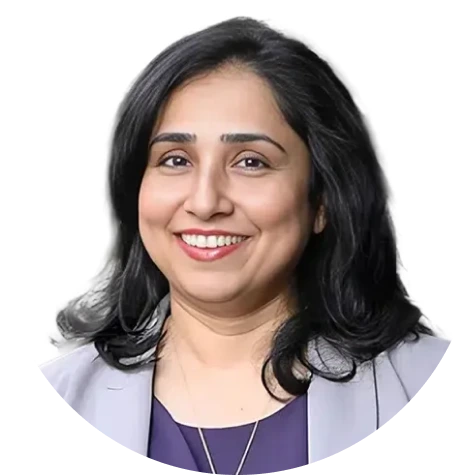
Dr. Beena Saad
Triple Board Certified Psychiatrist (MD) with Multiple State Licenses
Special interest in Child and Adolescent Psychiatry
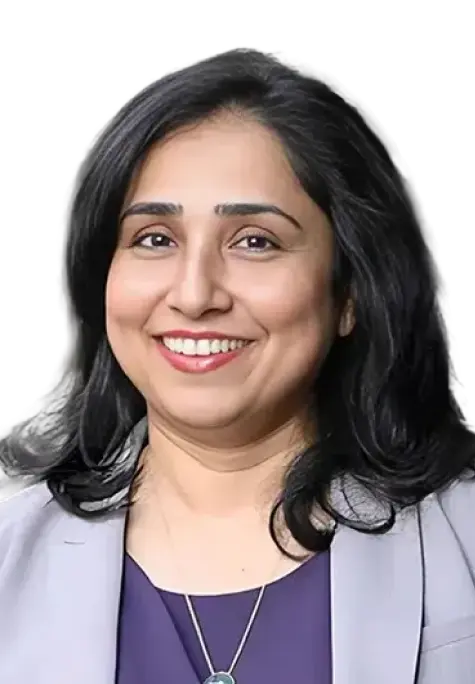
Dr. Beena Saad is a triple-board-certified child and adolescent psychiatrist. She holds two fellowships in the fields of child psychosomatic medicine and child and adolescent psychiatry.
She is passionate about treating psychiatric disorders in children, such as:
- Anxiety, OCD, health anxiety, and panic disorders
- Attention deficit/hyperactivity disorder (ADHD)
- ASD, or autism spectrum disorder
- Children’s Tic Disorder
- Childhood Schizophrenia
- Disorders related to substance abuse
- Learning Impairments
- Mood disorders, Childhood Bipolar Disorder, and Depression
- Pandas and Obsessive Compulsive Disorder (OCD)
- PTSD, or Post-Traumatic Stress Disorder (PTSD)
- Psychiatric disorders in children with long-term pain and illnesses
- Sleep Disorders
Dr. Saad is dedicated to understanding the special emotional and developmental needs of children and teenagers. She believes in the importance of empowering adolescents and their families through a personalized and collaborative approach.
Dr. Saad is mindful of the difficulties faced by children and adolescents. Her treatment plans take into account environmental influences, family dynamics, developmental history, and genetic predispositions.
Dr. Saad is proficient in cognitive behavioral therapy, supportive psychotherapy, psychodynamic psychotherapy, and childhood therapy in addition to her knowledge of psychopharmacology.
Dr. Saad has treated lots of children and adolescents and helped their families. By taking part in important studies, she has also made contributions to the fields of child and adolescent psychiatry. Children benefit from Dr. Saad’s compassionate approach to addressing mental health concerns and enhancing their social and academic performance.
Medical Education:
M.B.B.S. – Sind Medical College, Pakistan
Postgraduate Training:
Child Psychiatry Fellowship – University of New Mexico
Child Psychosomatic Medicine Fellowship – Albert Einstein School of Medicine
Schedule an Appointment with one of our Online Psychiatrists
Clinical Services: California, Florida, Illinois, New Jersey, New York, South Carolina, Tennessee

Forensic Psychiatry Services: All of the US and Canada
Book Your Appointment in 5 Easy Steps
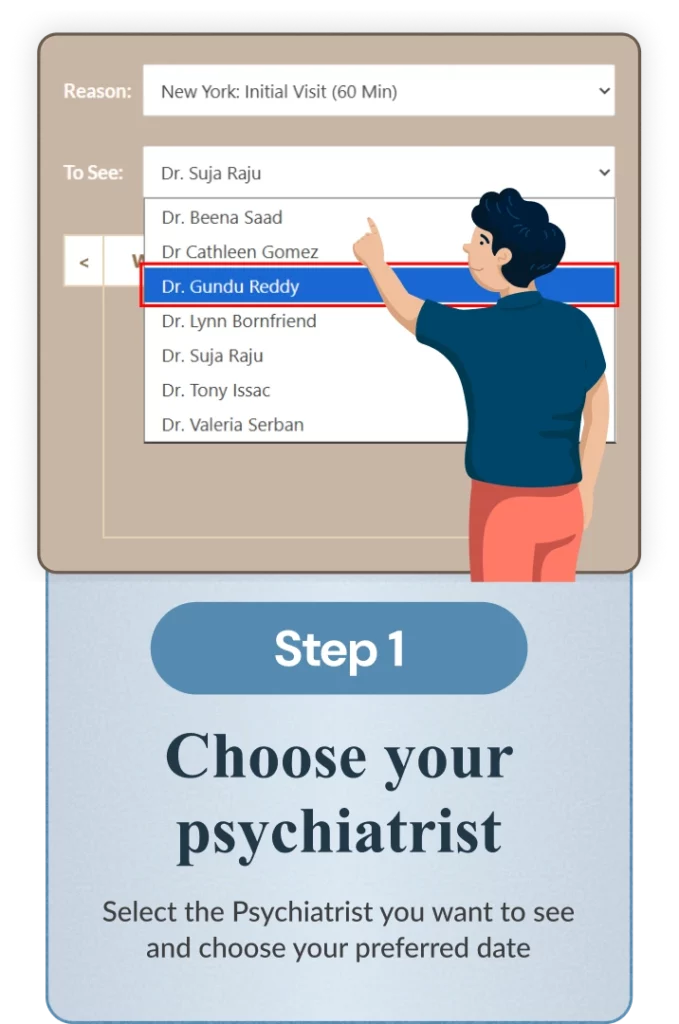
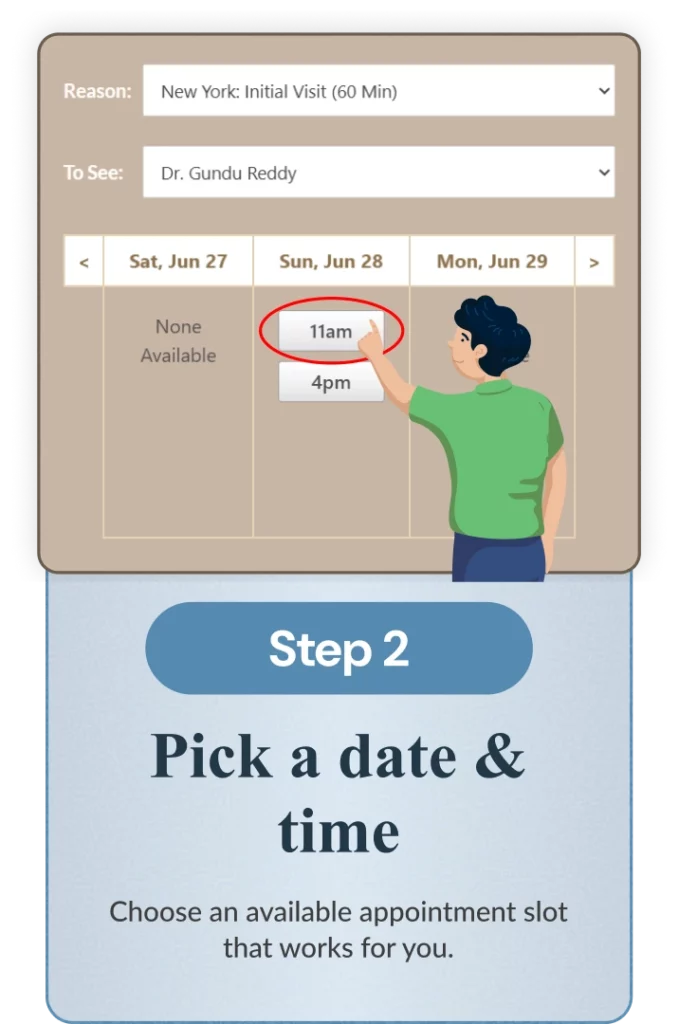
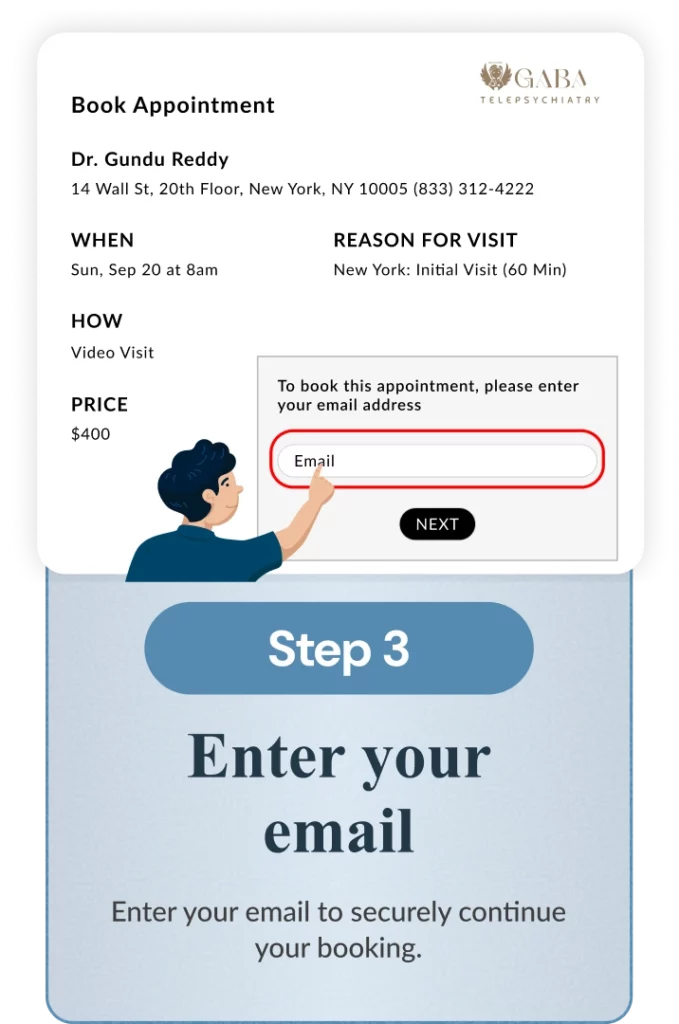
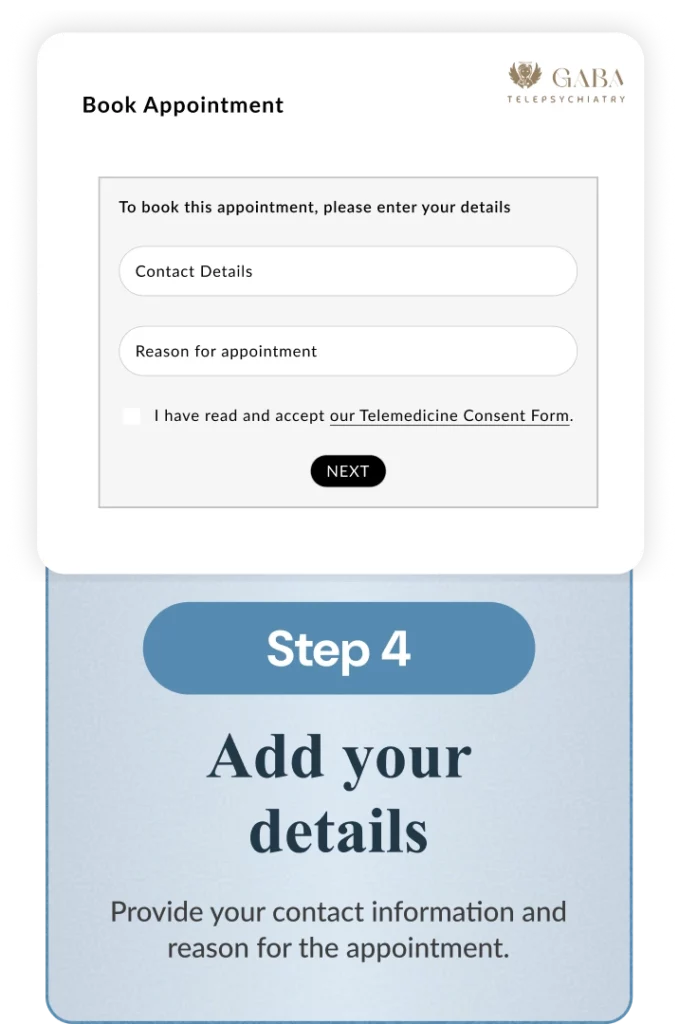

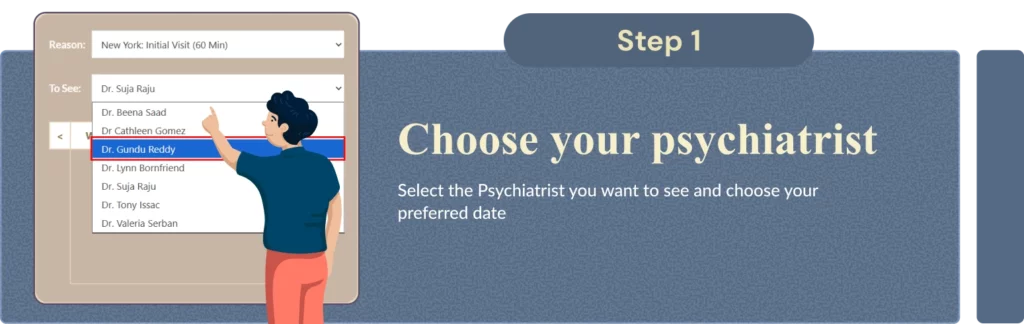
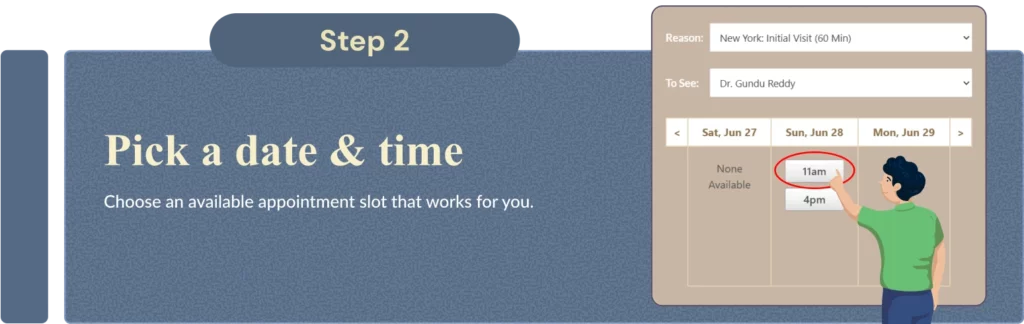

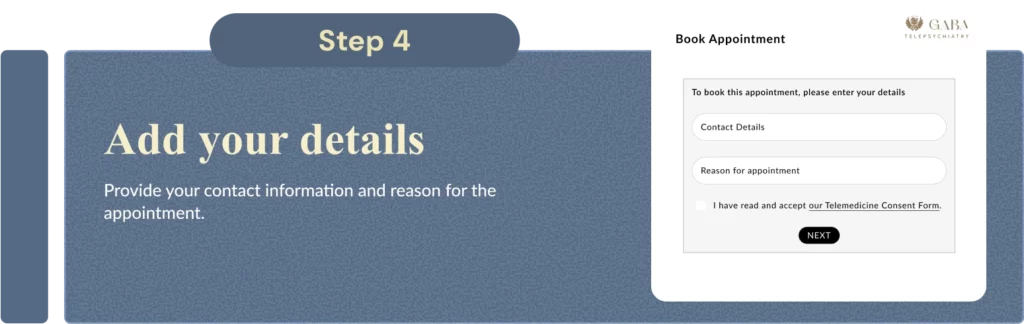
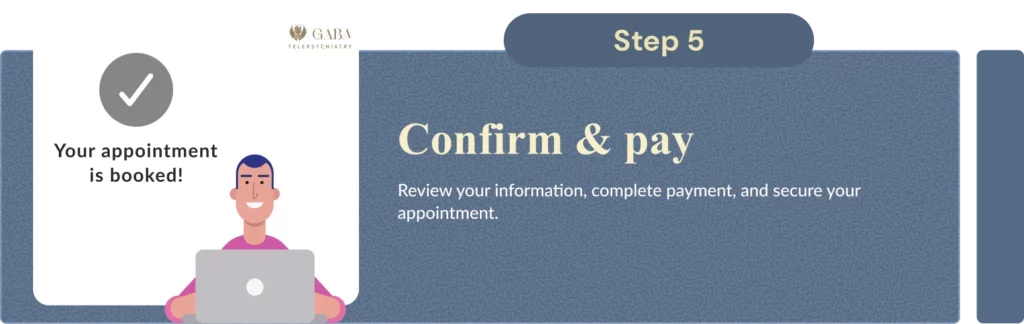
| State | Dr. Beena Saad | Dr. Tony Issac | Dr. Valeria Serban | Dr. Lynn Alison Bornfriend | Dr. Cathleen Gomez | Dr. Gundu Reddy | Dr. Suja Raju |
|---|---|---|---|---|---|---|---|
| California | Yes | – | Yes | Yes | – | Yes | – |
| Illinois | – | – | Yes | Yes | – | Yes | – |
| Florida | – | – | – | – | Yes | Yes | – |
| New Jersey | – | Yes | Yes | Yes | – | Yes | – |
| New York | Yes | Yes | Yes | – | Yes | Yes | Yes |
| South Carolina | – | – | Yes | Yes | – | Yes | Yes |
| North Carolina | Yes | – | – | Yes | – | Yes | Yes |
| Tennessee | – | – | – | Yes | – | Yes | Yes |
If you need help scheduling or have more questions,
Please call 18333124222 and ask for a patient advocate or forensic co-ordinator.
What is a Child Psychiatrist?
A child psychiatrist treats children and adolescents as well as adults. They have a special interest in treating children and adolescents or have completed an additional fellowship in child and adolescent psychiatry.
Child psychiatrists, having completed a rigorous adolescent psychiatry residency, specialize in treating psychiatric conditions such as anxiety and depression in children and adolescents up to the age of 18 years. They work with families, schools and juvenile courts and other community organizations to focus on diagnosing and treating conditions affecting how young people feel, think, and act. They are trained to assess and treat behavioral, thought and developmental disorders, including conduct disorders, often working with juvenile courts and other community organizations to devise treatment plans and accurate diagnostic formulation for people in this age group. Their extensive psychiatric work ensures that each child receives individualized and evidence-based care.

Online Child Psychiatrist
Online child psychiatrists at GABA Telepsychiatry offer the closest possible approximation to traditional psychiatric services in a convenient online format. Our psychiatrists emphasize listening to the patient to address their symptoms and concerns in the best possible manner.
An online child psychiatrist should offer the same standards of care as a traditional child psychiatrist, working alongside mental health professionals to ensure comprehensive treatment. Empathy, understanding, communication, and collaboration among the child or adolescent, their parents or family, and the psychiatrist are essential to achieving the best treatment outcomes and providing further assurance to families.
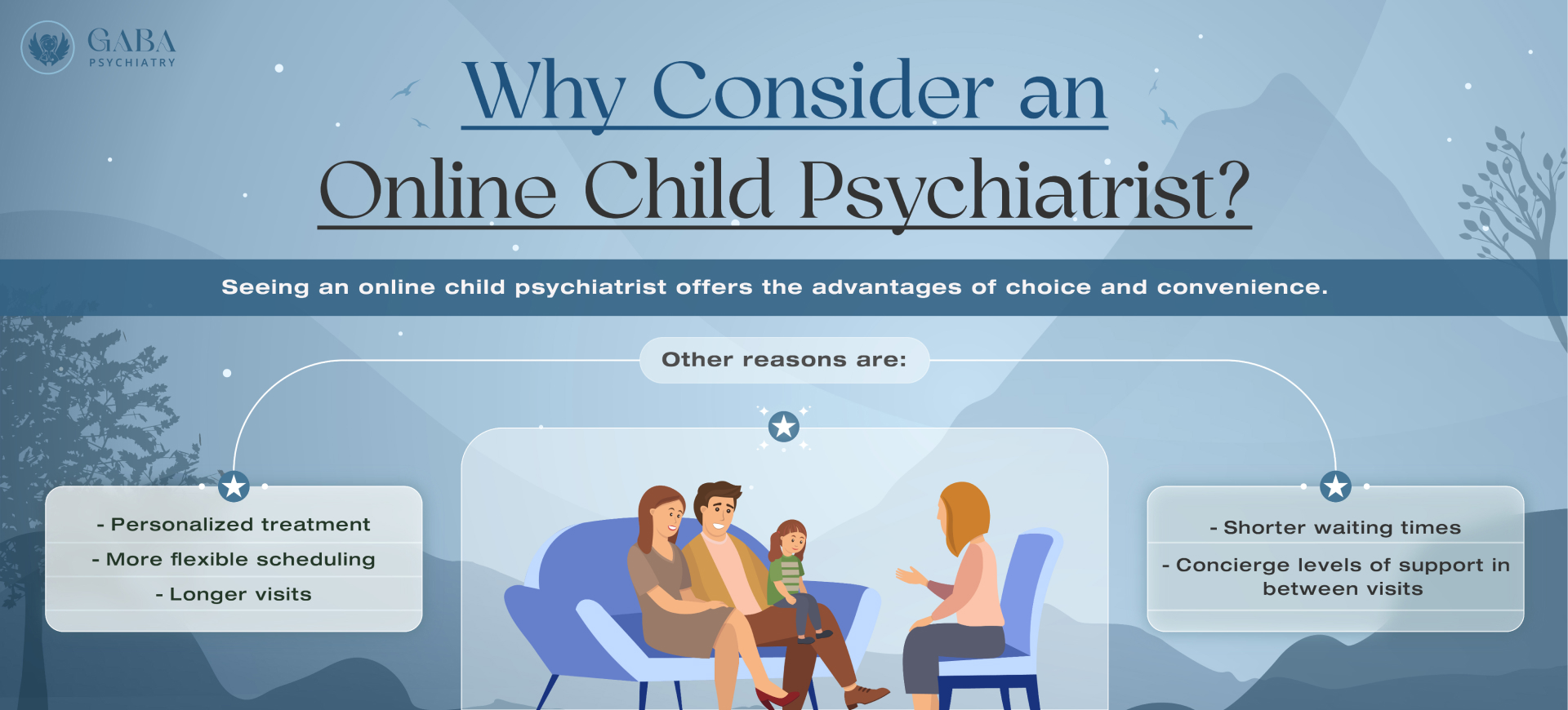
Why Consider an Online Child Psychiatrist?
Seeing an online child or teen psychiatrist offers the advantages of choice and convenience. Every parent wants their child to receive the best and most personalized treatment, especially when their child is struggling with mental health issues. Additionally, parents can be occupied with work commitments, which makes it hard to travel for an in-office child psychiatrist appointment.
Seeing an online child psychiatrist means you do not have to travel to your appointment and do not have to take time off work.
Other reasons to consider an online child and adolescent psychiatrist are:
- Longer visits
- More flexible scheduling
- Shorter waiting times
- Concierge levels of support in between visits

Best Online Child Psychiatrists
Finding the right psychiatrist for a child is not about choosing a name; it is about choosing the right fit. The best online psychiatrist for children understands that mental health for children is vastly different from that of adults. Children show mental distress through behavioral and emotional changes, and through school performance, for example: sleep changes, irritability, and social withdrawal. It takes someone with specialized training to see such changes and respond appropriately.
GABA Telepsychiatry’s child and adolescent psychiatrists are skilled at reviewing developmental history, family structure, school, and emotional functioning to develop full and comprehensive evaluations. The treatment we provide is evidence-based and is not time-constrained. Parents have a significant involvement in the treatment plans and behavioral strategies, and all treatments are tailored and closely monitored.
Virtual care facilitates easy access for children, as it is less anxiety-provoking and being somewhere familiar and comfortable increases participation. The best quality care is not always about an immediate solution, but rather, obtaining an accurate diagnosis, a comprehensive understanding of a child’s developmental stages, and a detailed plan to support gradual, ongoing monitoring of the child in the treatment process. GABA Telepsychiatry prioritizes building kids’ self-confidence and fostering emotional stability and positive development during the critical stages of their growth.
Another important factor of effective child psychiatry is proper communication that feels safe and provides understandable outcomes for both the child and the parents. Online sessions at GABA Telepsychiatry are designed to create a calm, comfortable, and structured space where the child can express themselves freely without feeling any kind of pressure or judgment. Psychiatrists pay close attention to age-appropriate communication styles, helping young children feel comfortable while also giving teenagers a sense of independence and respect during the treatment. Proper guidance is not limited to the child alone. Parents receive practical support, education about the symptoms, and realistic strategies they can use at home and in school environments to help the child in their healing process. Such a collaborative approach can make the family feel more involved, rather than overwhelmed.
Consistency plays a major role in progress. Regular follow-ups allow psychiatrists to observe patterns over time, adjust care plans as needed, and ensure that interventions continue to support the child’s emotional and developmental needs. Online psychiatry also allows continuity of care even during busy school schedules or life transitions, making mental health more accessible. We aim not only for symptom relief, but also to help children build coping skills, emotional awareness, and resilience that continue to benefit them as they grow into adulthood.
What Conditions Can a Child Psychiatrist Treat?
A child psychiatrist can help children and their families manage a wide range of psychiatric conditions, including:


An online child psychiatrist can treat all the above conditions. Studies show that children and adolescents respond well to online psychiatric care, and therapeutic outcomes can be equivalent to online visits. The important thing is that the online child psychiatrist follows the same standards of care as if seeing the patient in the office.

Best online psychiatrist for children
Finding the best online psychiatrist for children can be challenging for many parents, as they are often looking for compassionate care from an experienced psychiatrist in an online setting, which can help their child feel more comfortable while getting the help they need.
At GABA Telepsychiatry, child and adolescent mental health is approached with care, structure, and a deep understanding of how emotional and mental challenges can affect both the child and the parent. Meeting with a qualified psychiatrist in a familiar environment might help reduce anxiety for the child and make the communication feel more natural. Read More
Our psychiatrists address a wide range of concerns involving children, including anxiety, ADHD, mood changes, depression, behavioural difficulties, stress from school, and regulating emotions. Each child receives the appropriate level of care. This process includes a thorough assessment of the developmental history, family dynamics, and current symptoms. The treatment goal is not just to manage behaviours but also to understand the root of the child’s experience.
Parents are always included as an important part of this treatment journey. Guidance is provided on supporting the child at home, improving routines, and building healthy coping skills. Our psychiatrists might also recommend medications if needed and provide proper medication management, with regular follow-ups to ensure safety and progress.
Choosing the right child psychiatrist online means finding someone who listens, explains things clearly, and creates a safe space for growth. GABA Telepsychiatry focuses on building trust with both parents and children while providing professional and accessible mental health support designed for younger patients.
Private Pediatric Psychiatrist
At GABA, private pediatric psychiatrists can make significant changes in the path toward health for children and adolescents who may be facing emotional, behavioral, or developmental challenges. The difference between private pediatric psychiatrists and general child doctors or school counselors is that private pediatric psychiatrists specialize particularly in the thoughts, emotions, and behaviors of young people. They understand that children and adolescents are in a stage of development involving multiple rapid changes physically, socially, and emotionally, which can interact with stress, trauma, difficulties in learning, or symptoms in mood requiring careful individualized attention.
At GABA Telepsychiatry, private pediatric psychiatrists put the child in focus, looking at more than just symptoms. They take time to build confidence in their young patients, understanding their narratives and perspectives in a calm, supportive setting.This helps them narrate what is bothering them or why they have fears or changed behavior. It also helps the parents understand the situation better. Our board-certified psychiatrists analyze behavioral history, developmental milestones, school functioning, social interactions, and emotional patterns. After that, an individualized treatment plan is created, which may include psychotherapy, behavioral strategies, and, if needed, medication management.
This plan is based on clinical evidence and prepared with empathy and patience for the child. At GABA, our psychiatrists understand the psychology of children and bond with your child over time, building trust and providing important insights into how the symptoms are evolving and if treatment is effective or needs to be adjusted. This goes a long way in building resilience and self-understanding for the child patient, emotional tools that support healthy development into adulthood.
GABA Telepsychiatry has made expert pediatric psychiatric care easily available and supportive, helping families to be understood and empowered. At GABA, our psychiatrists provide tailored treatment, resulting in children thriving and feeling confident throughout their challenges.


Can an online child psychiatrist prescribe ADHD medication?
In most states, ADHD medication cannot be sent online, and the online child psychiatrist will need to send a consult to the pediatrician. This is an important process for determining the appropriate dose of medication and minimizing the risk of side effects.
If a child is going through attention deficit hyperactivity disorder (ADHD), they may suffer from challenges in social and academic situations. A comprehensive treatment plan with the right medication is an important part of managing ADHD symptoms.
Most children with ADHD and ADD are struggling for the following reasons:
- They are on the wrong dose of ADHD medication; too low can be ineffective, and too high can cause irritability, anorexia, insomnia, and other side effects.
- Attention is not paid to nutrition. Nutritional deficiencies can exacerbate ADHD and ADD symptoms.
- Attention should be paid to routine, study techniques, and home environment.
- Collaboration with the school is necessary to determine reasonable accommodations and to what extent the child and parents should be held accountable for completing assignments and studying for tests.
- Usually, a combination of behavioral therapy and medication is preferable to medication alone.
A competent child psychiatrist will consider all of these factors when prescribing medication for ADD.


Can I see an online child psychiatrist if I am out of state?


What Age Groups Does a Child Psychiatrist Treat?
A child and adolescent psychiatrist must have completed an accredited residency in adult psychiatry before sub-specializing in child psychiatry. Therefore, they should be able to treat both children and other adults competently.


Why to See a Child Psychiatrist?
While most child psychiatrists manage the medication portion of a child’s treatment plan, some of them also provide therapy services. A child may benefit from visiting a psychiatrist if:
- The child is struggling to manage symptoms despite being in therapy for a while
- The child or the parents are wondering if medication could help make more progress
- The parents need help with selecting the right medication and dosage for the child
- The parents or the child need help keeping an eye out for side effects
- The child’s therapist, pediatrician, or other medical professional has suggested that medication might be helpful in treatment
- The parents are unsure if the current medication is right for the child
- The parents want a second opinion and want to talk about their options with an expert
- A child psychiatrist can provide a comprehensive treatment plan, considering the role of medication, therapy, supplements, treating medical illness, and alternative treatments to address symptoms and behaviors, including all the components.


Can a Child Psychiatrist Provide Family Therapy?
Yes, a child or teen psychiatrist can provide family therapy. Family therapy for children and adolescents involves understanding family dynamics and relationships, which is an important part of child psychiatry.
The child psychiatrist should be able to work effectively with families to provide support, understand family needs, and assess the family’s strengths and limitations. Child psychiatrists are also trained to identify issues that require family intervention, often collaborating with local mental health associations and arranging a referral to a family therapist if necessary. Engaging families as resources in treatment planning enables the psychiatrist to enhance the quality and success of patient care.


Can a Child Psychiatrist Provide Reunification Therapy?
A child psychiatrist can be involved in providing reunification therapy. Reunification therapy is a specialized form of family therapy that aims to improve and restore the relationship between a child and a parent. Sometimes, a child and adolescent psychiatrist will supervise the process, while a therapist conducts the unification therapy.
Reunification therapy is often required in high-conflict cases, such as divorce, parental alienation, or long-term separation. A child psychiatrist can support reunification therapy in the following ways:
- Diagnosis:
Child and adolescent psychiatrists can assess and diagnose psychiatric conditions, such as trauma, anxiety, or depression, which can affect the reunification therapy procedures. - Medication Management:
A licensed and board-certified adolescent psychiatrist is the only medical practitioner qualified to prescribe medication. The child psychiatrist can assist with managing medication and tailoring medication doses to help the child stabilize and actively engage in therapy. - Collaboration:
The child psychiatrist can collaborate with a reunification therapist, usually a licensed family therapist or psychologist, to monitor the child’s emotional and psychological progress.
Insights: A psychiatrist’s perspective and insights are valuable for treating complex psychiatric conditions.


Psychiatrist for Teens
Teens experience many changes and challenges, which can affect their psychological development. Teenagers go through mood swings, anxiety, sadness and sometimes conduct disorders, as well as broader areas of general psychiatry. When symptoms are severe, treatment may be needed.
Symptoms of psychiatric distress in teens can affect:
- Academic performance
- Friendships and relationships
- Family dynamics
- College
- Internships and work placements
Does my teenager need a psychiatrist?
You should find a psychiatrist if your teenager is experiencing:
- Suicidal thoughts
- Marked distress
- Psychosis
- Substance abuse
- Impairment in academic functioning
- Impairment in social functioning
- Side effects of medication
Why see a psychiatrist for teens and not an adult psychiatrist?
- A psychiatrist for teens should collaborate with your child’s pediatrician and child’s therapist, if applicable, to address psychiatric symptoms.
- A psychiatrist for teens should be proficient in neuroanatomy and understand the extra care needed to treat a developing adult brain.
- A psychiatrist for teens should be proficient in psychopharmacology and ensure that your child’s medication is prescribed with the utmost care.


Depression in adolescence is common worldwide but often goes unrecognized. The prevalence of depression rises sharply after puberty. Depression in teenagers may arise due to:
- Family history of depression
- Exposure to psychosocial stress
- Sexual orientation
- Family dynamics
- Bullying and abuse
- Academic stressors.
- Hormone imbalance, PCOS, menstrual disorders
- Medical illness
- Nutritional deficiencies.
Symptoms of depression in teenagers includes:
- Mood reactivity
- Irritability
- Unexplained physical symptoms like eating disorders
- Refusal to attend school
- Substance misuse
- Decline in academic performance
- Behavioral problems
Treatment of depression in teens includes:
- Diagnostic evaluation
- Screen for medical causes
- Psychotherapy
- Medication when indicated.
A psychiatrist for teenagers would have to collaborate with the patient and family to discuss the pros and cons of psychiatric medication for teenagers.
While learning to manage anxiety is a normal part of adolescence, excessive anxiety or colonial anxiety can lead to
- Impaired social development
- Failure to make friends
- Academic difficulty
- Failure to participate in sports and extracurricular activities
- Marked distress
- Increased risk of suicide
- Difficulty with college admissions, and job interviews.
Symptoms of anxiety in teenagers include
- Being constantly agitated, restless, or tense
- Being extremely self-conscious
- Worrying about things that are not likely to happen
- Being withdrawn
- Having difficulty sleeping
- Change in eating habits
- Physical symptoms like racing heart, dizziness, sweating, shortness of breath, headaches, etc.
A psychiatrist for teens can diagnose and pinpoint different types of anxiety and formulate a treatment plan. Types of anxiety disorders in teenagers include:
If left untreated, anxiety disorders can have a lasting impact on teenagers and continue into childhood. An online or in-office adolescent or teen psychiatrist can devise a treatment plan suited to your teenager’s condition. They can also perform cognitive-behavioral therapy, psychodynamic therapy and family therapy. They can also prescribe medication if necessary.
Teenagers who use cannabis or marijuana are more likely to develop psychiatric disorders like depression and suicidality. Casual cannabis use can put teens at risk for problematic behaviors, like achieving poor grades, falling in trouble with the law, or truancy. It also negatively affects the teenager’s attention, memory, ability to process information, decision-making, and judgment.
Clinical experience has also shown that smoking cannabis may lead to acute psychosis and increase the risk of developing schizophrenia in later life stages. Adolescents with ADHD, depression, anxiety, and PTSD may smoke or vape to feel better, but most often get addicted.
Early intervention through a psychiatrist for teens or children can significantly improve the lives of teenagers. An online or in-person psychiatrist can evaluate a teenager’s mental health, substance abuse patterns, and co-occurring psychiatric conditions. Based on the evaluation, the psychiatrist will develop a treatment plan, which may include therapy and medication.
Excessive video gaming in teenagers is a growing concern and can impact the teenager’s social, physical, and emotional development. It can lead to disruptions in daily life, declined school performance, and social bonds.
Video games are designed to be engaging and release dopamine, the “feel-good transmitter.” Teenagers might turn to games to escape from stress, depression, or anxiety. They may also feel a sense of community and companionship by playing video games.
However, this liking may turn into addiction when teenagers constantly start thinking about video games, lose interest in other hobbies, neglect schoolwork, show anger when they are interrupted, start spending less time with family and friends, and find it difficult to stick to time limits.
Psychiatrists for teens can help teenagers overcome video game addiction by addressing the underlying causes and evaluating family, social, and academic factors. The psychiatrists can also conduct therapy sessions and address family involvement to reduce gaming time. They may also use cognitive-behavioral therapy to help the teenager modify thought patterns driving gaming addiction.
Alcohol abuse amongst teenagers is a widespread issue, often driven by peer pressure, stress, and experimentation with alcohol. It can also be an escape for teenagers from stress caused by academics, family issues, or social pressures.
Symptoms of alcohol abuse may be:
- Behavioral changes
- Secretive behavior
- Academic decline
- Changes in social circle
- Physical signs like bloodshot eyes, frequent hangovers, poor hygiene or unusual tiredness
Parents and loved ones should encourage open communication with teenagers and ask them to participate in healthy activities like sports, clubs, and hobbies. If alcohol abuse is interfering with daily life, approaching a child or adolescent psychiatrist is necessary. A psychiatrist for teens may use therapy and medication management to help them develop long-term plans to maintain sobriety.
Bipolar disorder in teenagers is extremely challenging. It is characterized by extreme mood swings ranging from manic or hypomanic episodes to depressive ones. In teens, bipolar disorder may be especially disruptive and make it difficult to lead a balanced life. Bipolar disorder is one of the more severe mood disorders that adolescents can experience
Some common signs of bipolar disorder in teens include:
- Extreme mood swings
- Irritability and aggression
- Risky behaviors
- Sleep disturbances
- Concentration difficulties
An online child psychiatrist for teens is specially trained to work with teenagers through thorough assessments. Bipolar disorder is often misdiagnosed as ADHD or depression, and therefore understanding symptoms, family history, and behavior patterns is necessary.
The psychiatrist may prescribe certain medications, including mood stabilizers, antidepressants, and antipsychotics, while closely monitoring and tailoring the dosage and side effects. Other treatment options are therapy and psychoeducation.
Schizophrenia in teenagers is a rare but serious psychiatric condition that affects behavior, thoughts, and emotional functioning. It interferes with important developmental milestones related to education, independence, and relationships. Schizophrenia may cause symptoms like:
- Hallucinations
- Delusions
- Disorganized thinking
- Poor social and academic performance
- Emotional flatness or apathy
Usually, symptoms of schizophrenia may overlap with other conditions like bipolar disorder, depression, or substance abuse. An online child psychiatrist will perform a detailed assessment, psychological testing, interviews with the family, and observation of behaviors.
Since medications are the first-line treatment for such psychiatric disorders, a child psychiatrist will prescribe medication and monitor side effects for effective relief from symptoms.
Obsessive-compulsive disorder in teenagers presents with obsessions, intrusive thoughts, and compulsions. OCD can be particularly challenging during adolescence as it can disrupt a child’s daily life.
An adolescent or teen psychiatrist will conduct a detailed psychiatric assessment to diagnose OCD. They may also prescribe cognitive-behavioral therapy (CBT) with exposure and response prevention (ERP), medication management, family therapy, and psychoeducation.
Post-traumatic stress disorder (PTSD) in teenagers can develop because of traumatic events, such as abuse, violence, bullying, or the death of a loved one. PTSD can severely affect a child’s behavior and well-being. Symptoms of PTSD can be:
- Intrusive memories, like flashbacks of a traumatic event
- Avoidance of places, conversations, or activities
- Negative changes in mood and thinking with persistent feelings of shame, guilt, or shamelessness, emotional numbness, and disliking favorite activities
- Increased reactivity and arousal
- Self-destructive behaviors used as coping mechanisms
A psychiatrist for teens, whether online or in-office, conducts an assessment to understand the teenager’s trauma history, symptoms, and co-existing psychiatric issues. The psychiatrist may prescribe trauma-focused CBT, eye movement desensitization and reprocessing (EMDR) therapy, and medication management for PTSD treatment.
Teenage pregnancy is a sensitive situation that affects not only the teenager but her family, community, and society. Adolescence is characterized by self-growth, self-discovery, and personal development. Pregnancy in teenagers can be overwhelming due to emotional, physical, and social challenges.
Teen pregnancy brings fear and uncertainty as young people face the responsibility of becoming parents at a stage where they are themselves transitioning to adulthood. It may lead to educational and career opportunities being delayed, peer relationships being strained, and psychiatric challenges due to stress and stigma.
The teenager’s family dynamics may also shift, as family members may struggle with their own reactions and find it challenging to offer acceptance to the pregnant teenager. It may also lead to health complications, financial struggles, and limited access to support systems.
Child and teen psychiatrists play an important role in helping pregnant teenagers cope with the mental and emotional complexities of their situation. Besides offering a non-judgmental space, the psychiatrist can help them build resilience, self-esteem, and coping strategies. Teenage pregnancy may often cause depression, anxiety, or PTSD, particularly if the pregnancy is a result of abuse.
Many teenage mothers may also suffer from postpartum depression and additional stressors after giving birth. A child psychiatrist can treat such crucial conditions through individualized treatment plans offering therapy and medication management.
Dr. Raju is absolutely amazing. Finally a doctor that listens to what I’m saying. She truly cares about her patients. It’s difficult for me to connect with a doctor. Dr. Raju has…Read More
such a kind, warm and caring nature. It makes it so much easier to freely communicate with her. I’m so grateful I was referred to her.
I hired Dr. Reddy’s services to write a report for my custody case. Involving a co-parent with a serious personality disorder/mental health issues. Dr. Reddy quickly figured out my situation and connected the dots. Dr. Reddy is able to give a clinical perspective that the justice system may fail to see, especially given her extensive experience. And knowledge of things like borderline personality disorder, bipolar, etc. Dr. Reddy worked tirelessly to…Read More
reach a tight deadline for my case. I ended up not needing the report, but I would definitely recommend her services. Especially if you are dealing with a contentious high conflict custody case.
FAQ
Should I See a Child Psychiatrist If I Am Over Eighteen?
All child psychiatrists are trained in adult psychiatry before they subspecialize in child psychiatry. It is absolutely fine to continue with your child and adolescent psychiatrist once you turn eighteen. Most child psychiatrists are comfortable with children and adults. It is absolutely fine for an adult to see a psychiatrist who has subspecialized in child psychiatry.
Why choose Child and Adolescent Psychiatry?
Child and adolescent psychiatrists, recognized by leading national organizations, have an understanding of the developmental changes in mind and behavior seen in children. They are, therefore, competent to diagnose complex psychological issues and to integrate treatment with the use of appropriate medications when necessary, while involving families in the formulation of plans that fit the particular circumstances of their child. Very often, early access to such specialists tends to keep small problems from growing into big ones.
Why is it important to talk about Children’s Mental Health?
Kids may not always bring up what they are thinking. Problems can manifest in various forms, including academic issues, sleep disturbances, or excessive anger. We can do better at having early talks, which in turn will catch issues at an early stage, reduce the shame around them, and put in place the skills and support that our young ones need to do better in all aspects of life. Also, open lines of communication make it easier to access professional help, including resources from the American Psychiatric Association that are out there when required.
Does Mental Health qualify for Short Term Disability?
In some cases, mental health conditions are considered qualifying disabilities if they hinder an individual from performing his/her job and this can be attested by documentation from a clinician. The rules regarding this may vary between employers and insurers, therefore requiring a medical assessment by a psychiatrist and their documentation in the application process. GABA conducts assessments and assists with disability forms for this process.
What Qualifications Are Needed to Become a Child Psychiatrist?
- In order to become a psychiatrist, a physician must complete medical school and an additional four years of approved residency training in psychiatry.
- To be board-certified, a psychiatrist must take additional certification examinations and achieve certification from the American Board of Psychiatry and Neurology.
- Any Board Certified Psychiatrist can treat children and adolescents.
- However, some psychiatrists pursue an additional two years of fellowship in child and adolescent psychiatry for additional specialized training and comprehensive adolescent psychiatric training
- Generally, for children under ten, it is recommended to see a child and adolescent psychiatrist if expressing severe psychiatric symptoms, delayed milestones, or behavioral disturbance.

