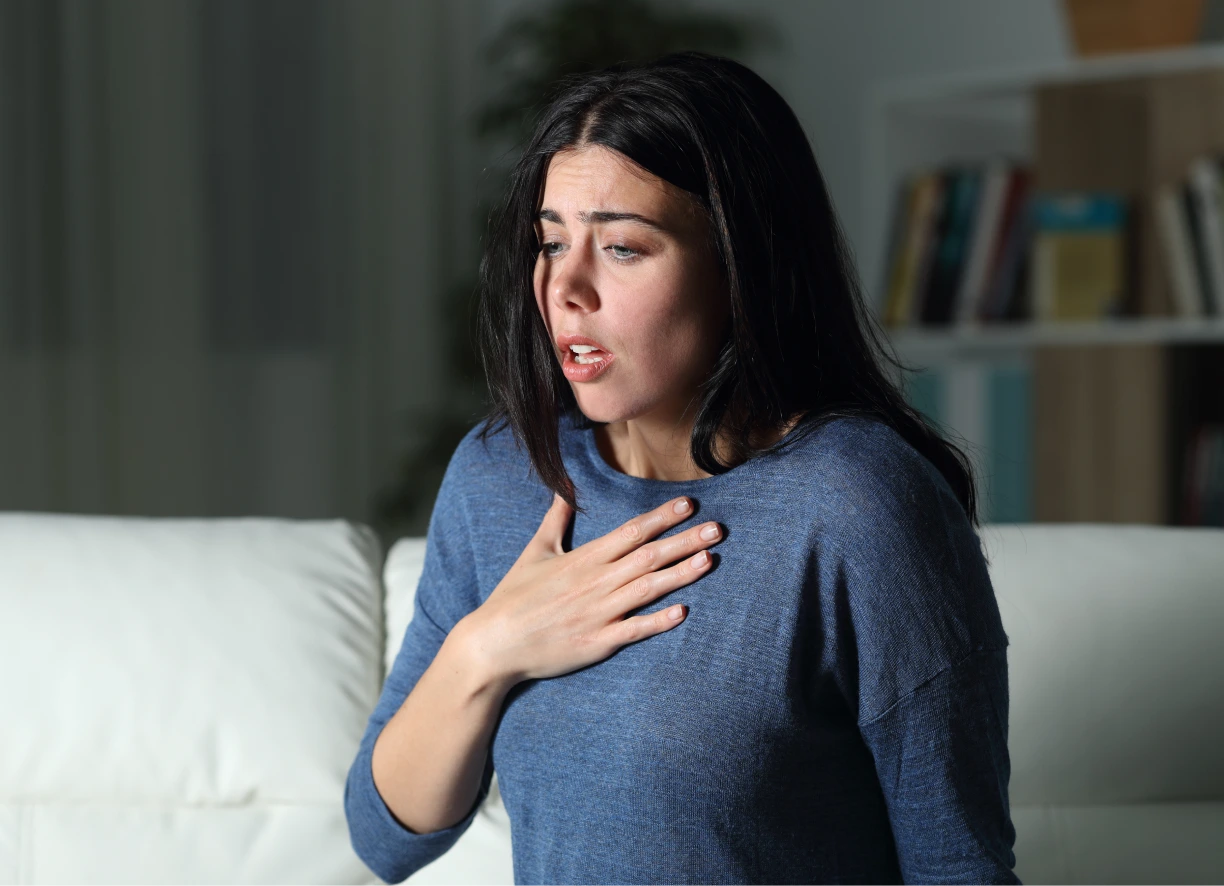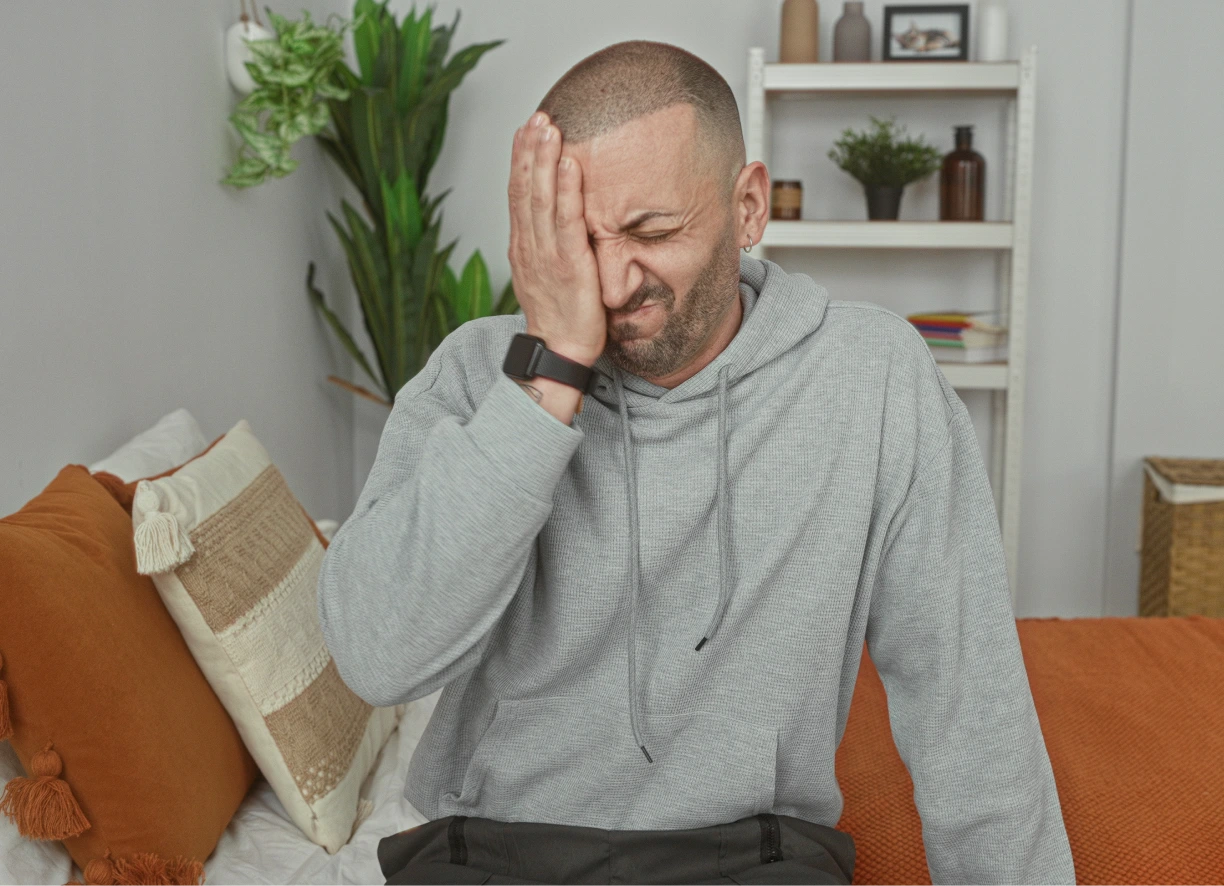

“What if I don’t get to sleep tonight? How will I get through tomorrow?”
“Why am I suddenly thinking about the things that have already happened?”
“What if something bad happens?”
Thoughts like these can feel relatable when one experiences night anxiety. While the term is not clinically recognised, it is widely used to describe the nervousness and the physical uneasiness one experiences at night. If this sounds uncomfortably familiar, you are not alone.
Night anxiety is something several people struggle with. Being anxious at night doesn’t necessarily indicate you have an anxiety disorder. There can be other reasons behind your experience. Nonetheless, it is something you can manage. The blog aims to bridge the gap on how to manage it, explain some possible reasons for being anxious at night, and when a professional can be considered for help.
What does nighttime anxiety feel like?
Anxiety manifests differently for everyone. Someone can have a hard time switching off their mind (not literally). Like they want to sleep, but the brain refuses to. It keeps replaying past conversations or fearing what may happen tomorrow. A person can be really tired yet find himself/herself unable to rest because of this mental alertness.
Anxiety is not just in the head. You can feel it in the body. Some common physical symptoms that people often experience include:
- Restlessness
- Muscle tension
- Sweating
- Palpitations
Someone may not sleep well due to these symptoms. Someone else can suddenly wake up in the middle of the night experiencing these. Learning why anxiety tends to surface when you finally try to turn in for the day can help you address the root cause of the issue.
Why do I get anxious at night for no reason?
Study, work, and other responsibilities keep you occupied throughout the day. You may not really have enough time to think if anything has been stressing you. Only when you get some time off on your own, like in the evening or at night, can your attention shift to the things pushed aside during the day.
Sometimes people function on autopilot. Wake up, go to work, attend meetings, return home, do house chores, and so on. People forget to pause. You may jump from one task to another and fulfill all your responsibilities. Without a break, it can be very tiring, not just physically but mentally. So when you try resting, you can instead start processing the entire day; you can begin anticipating what you need to get done tomorrow.
A common fear that many have is “I won’t get enough sleep.” It’s ironic how what you are concerned about is becoming an obstacle to what you want. You may begin worrying about not sleeping well after a few sleepless nights. Checking the clock can add more pressure on you.
Lastly, sleep and anxiety have a two-way relationship. Without sleep, one may become more prone to anxiety, and the cycle continues. The cycle is, however, breakable. You can try certain coping strategies and lifestyle changes to reduce your anxiety.
Causes of night anxiety
Some other underlying causes that can contribute to night anxiety include:
- OCD: Obsessive-compulsive disorder includes some unwanted thoughts, obsessions, and compulsions that one feels obligated to perform. Without much distraction at night, these intrusive thoughts can delay your sleep. According to a 2021 study, people with OCD have poorer sleep quality and more disturbances than those without OCD. This could directly make them more anxious.
- GAD: A person with generalized anxiety disorder experiences an uncontrollable worry about various aspects of life, like job, health, relationships, and so on. These concerns can keep one busy even at night.
- Depression: Sleep complaints are common in patients with depression, and they can cause subsequent feelings of sadness and anxiety about insomnia. In fact, anxiety and depression frequently co-occur.
- Panic disorder: Unexpected panic attacks or waking up from sleep panicking (nocturnal panic attack) may cause shortness of breath and an intense fear. These can leave you feeling afraid about sleeping and the next potential attack.
- Alcohol: Even though alcohol could feel relaxing initially, it can actually disrupt your sleep later in the night, and the anxiety may return stronger once the effects of alcohol wear off.
- Nicotine withdrawal: Regular users of nicotine may observe withdrawal symptoms when trying to stop using it. Anxiety, irritability, jitteriness, and sleep disturbance are some common symptoms associated with nicotine withdrawal.
- Marijuana: Cannabis has different effects on different people. For some, it provides relaxation; for some, it contributes to anxiety. Abruptly stopping marijuana or significantly reducing the intake (marijuana withdrawal) can cause anxiety, anger, and loss of appetite among other symptoms.

How to calm down anxiety at night?
- Try aromatherapy:
Certain pleasant scents, such as lavender or mint aromatherapy, can add a soothing effect to your bedtime. A 2024 study found that inhaling a lychee soy wax candle before going to sleep significantly improved sleep quality in adults and elderly people. - Listen to music
Keep a playlist handy with soothing music of your choice. Calm music may help some people unwind. Adjust the volume accordingly so it isn’t loud enough to disturb your sleep. - Pray (if you are religious)
Praying can offer you a break instead of tossing and turning in your bed. You could spend a few moments reflecting while praying or read a religious text to shift focus away from your anxious thoughts. - Meditation
Meditation is another way to calm your mind and body. You can follow a guided meditation video online or visualize a place that helps you relax. It could be a place you have visited previously and holds happy memories, or it could be an imaginary place. Try to engage all your senses while you think of that place, like what you can see, smell, and hear in that place, and how you would feel there. - Practice breathing exercises
Anxiety is often accompanied by irregular breathing. At such times, try to breathe in slowly through your nose and out through the mouth. There is no right or wrong way of breathing, so you don’t have to force deep breaths. - Pets can help
Playing with your pets or simply hugging them can comfort you when you are anxious. Usually, cats and dogs both love to snuggle. Even if your pet doesn’t like it, their company can be a pleasant distraction. - Reach out to someone you trust
You can share with your partner what you are feeling when anxiety is bad. Let them know what you need. It could be reassurance, or them listening to you, or just being there with you. You don’t have to deal with your emotions alone. Your partner can make you feel supported. If you live alone, you can call a friend. Expressing your feelings can help you cope with the stress. At least you know you aren’t alone. - Set time aside for your worries
Processing emotions is important. We cannot put them aside for long. So if anything is weighing on your mind, dedicate 10 to 15 minutes in the evening or whenever you can. You may write down your thoughts so you can actually see them and decide if there’s anything you can do about it. If you can, write practical steps you can take. For the rest, just acknowledge them and move on once the time’s up. You can sit with them again the next day. - Get up when you cannot sleep
It can be frustrating when you keep lying awake in bed, and the harder you try to sleep, the further sleep seems to be. Consider leaving your bed temporarily. The brain can misassociate the bed with a place where you remain active when you lie awake for quite some time. The bed is meant for rest. Try reading a book or other quiet activity in dim light and return to bed once you feel sleepy. - Release physical tension
You may try progressive muscle relaxation (PMR) to help your body relax. It involves gently tightening the muscles then releasing them. PMR may also distract you from the anxious thoughts. Exercise caution. Don’t tense your muscles to an extent that they hurt. If you’re having difficulty, leave it and try the next muscle or some other strategy. - Exercise regularly
Dedicating time to regular exercise can support both physical and mental health too. Exercise is associated with better mood and reduced stress. You don’t need a heavy workout routine. Walking, yoga, cycling, or anything that you enjoy can work. - Avoid stimulation before bedtime
Consider not using your phone or any other screen about 30 minutes before going to bed. You may find negative information, and you don’t need more things to worry about. Another common stimulant is caffeine.
Avoid coffee or energy drinks late in the evening. They can keep you alert even when you should be sleeping. You may try some warm tea. Lemon/ginger tea, passionflower tea, chamomile tea, or tart cherry tea can help you feel at ease.
These strategies can help with night anxiety, but sometimes they may not be sufficient. While many people have had some experience with sleep disturbance, for some they don’t get better on their own and need professional intervention.
When should I seek help for night anxiety?
You may consider reaching out to a psychiatrist or other mental health professional if:
- Anxiety is regularly disrupting your sleep
- Your daytime functioning is affected
- Anxiety symptoms are continuing for a long time
- You are unable to manage anxiety on your own
Anxiety symptoms can sometimes overlap with other conditions, and if you have been having severe chest pain or frequent breathing issues, it is important to contact a healthcare provider immediately. It is not that you automatically have an anxiety disorder when you decide to seek help. You may connect with a professional to get clarity on your situation, and if there is anything they can help you with, they will.
Anxiety treatment may involve psychotherapy like Cognitive Behavioral Therapy (CBT) that focuses on identifying unhelpful thoughts contributing to your anxiety and changing them. Psychodynamic therapy is also used at times to treat anxiety. This therapy is based on the belief that our unconscious thoughts, desires, and memories heavily influence our behavior and focuses on resolving any past unresolved conflicts that may be affecting the present.
Another treatment approach is supportive psychotherapy. It helps you manage emotional distress and strengthen your existing coping strategies. A therapist can provide a supportive and non-judgmental environment where you can discuss your feelings. They listen to you empathetically and work through your anxiety.
Medication for nighttime anxiety
Medications are also available for anxiety and are prescribed when necessary. Some common anxiety medications include selective serotonin reuptake inhibitors (SSRIs) and serotonin-norepinephrine reuptake inhibitors (SNRIs). They are often considered first-line treatment approaches for anxiety disorders like panic disorder, generalized anxiety disorder, and social anxiety disorder. These antidepressants can take weeks to show their effect.
Benzodiazepines are another medication used to treat anxiety. In fact, it is among the most widely prescribed psychiatric medications in the world. Benzodiazepines are versatile medications and can also help with insomnia alongside anxiety. These medications are usually for short-term use as they carry potential risks of tolerance and dependence.
Sometimes hydroxyzine, an antihistamine, is used as an alternative to benzodiazepines for anxiety and insomnia. But these medications can also have some tolerance issues. Medications can provide rapid relief from nighttime anxiety, but it is important that you see an anxiety specialist to find the right medication for your needs and ensure that they are not addictive or causing any side effects.
Supplements for night anxiety
Certain supplements can also help with anxiety and sleep. However, they should be taken under medical supervision to ensure their effectiveness and avoid any side effects.
- Ashwagandha: also known as Withania somnifera, may reduce stress and anxiety levels. In fact, a few studies also found that ashwagandha can improve sleep quality and duration.
- L-theanine: found in tea, L-theanine may have a potential use in sleep management. A 2024 study found that the supplement significantly reduced psychiatric symptoms in people with anxiety disorders and some other conditions.
- Melatonin: produced in the pineal gland, melatonin can help relieve anxiety symptoms and generally has mild adverse effects such as headaches and daytime sleepiness.
Supplements can offer you relief from anxiety and may help you sleep, but they do not replace professional anxiety treatment.
Quieting the anxious noise
Night should be a time when you finally put everything aside and relax. You did everything you were supposed to do throughout the day, and now you should just get a quiet moment with your loved one, with yourself, and call it a day.
Anxiety, however, can interfere with those plans. You may find yourself in a sea of questions. “Why did I do that?” “What am I going to do?” and if not these, “Why can’t I quiet the internal chatter?” There’s no limit to what our minds can think, but it can hurt when you don’t need it to work but rest.
It is not your fault, though. Maybe the mind is trying to keep you prepared no matter what. What counts is you can learn to respond to anxious thoughts differently. You can learn to quiet the anxious noise and participate in life more, be in the present more. If you need any help, it is available. You don’t have to do it alone.
References
https://pmc.ncbi.nlm.nih.gov/articles/PMC9248771/
https://pmc.ncbi.nlm.nih.gov/articles/PMC7786299/
https://pmc.ncbi.nlm.nih.gov/articles/PMC7010281/
https://pubmed.ncbi.nlm.nih.gov/34166869/
https://pubmed.ncbi.nlm.nih.gov/38562538/ lychee candle
https://www.ncbi.nlm.nih.gov/books/NBK606117/
https://ods.od.nih.gov/factsheets/Ashwagandha-HealthProfessional/
https://pubmed.ncbi.nlm.nih.gov/39633316/ LT
https://pmc.ncbi.nlm.nih.gov/articles/PMC9788115/#sec3-ijms-23-16187 melatonin
https://pmc.ncbi.nlm.nih.gov/articles/PMC9902068/
https://pmc.ncbi.nlm.nih.gov/articles/PMC7809865/ ocd
https://pmc.ncbi.nlm.nih.gov/articles/PMC6433686/#jcmm14170-sec-0015 depression
https://pmc.ncbi.nlm.nih.gov/articles/PMC181193/
https://pmc.ncbi.nlm.nih.gov/articles/PMC12967800/ nicotine
https://pmc.ncbi.nlm.nih.gov/articles/PMC10890807/ cannabis