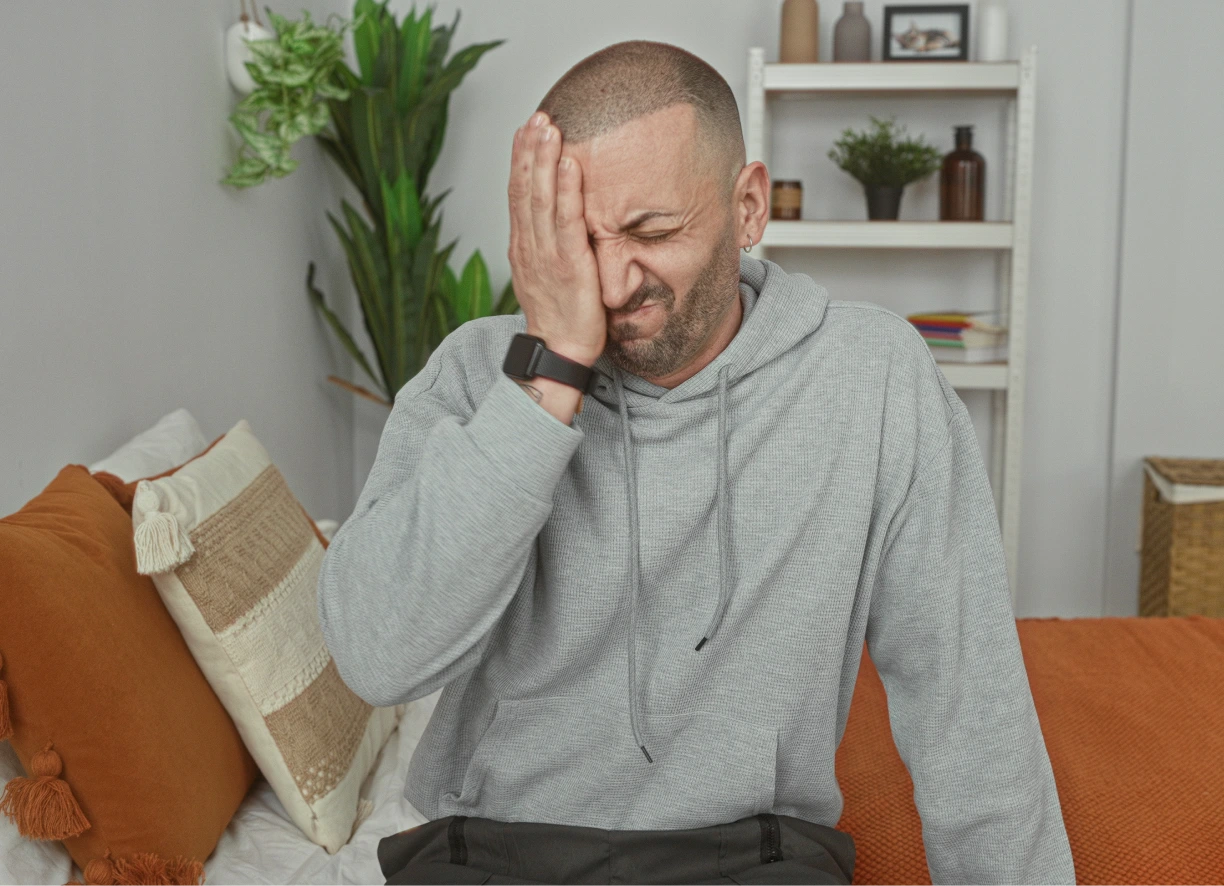
Anxiety symptoms come in many forms. Sometimes a person with an anxiety disorder feels it as a racing heart or as a feeling of butterflies in the stomach, at other times, they may experience trembling hands or tightness in the chest. All these sensations can cause further worry to the sufferer, particularly if they do not know what is causing them.
Why Anxiety Causes Physical Symptoms
When we experience stress, the nervous system sends messages to our body, triggering the fight-or-flight response. Based on this signal, our body prepares for a fight-or-flight reaction, resulting in:
- Rapid heart rate
- Changes in breathing pattern
- Tightening muscles
- Excessive sweating, even in a cold room
- Other symptoms
Imagine getting ready for a presentation to a room full of people: our heart races, and we feel light-headed. Instead of understanding that these are signs of stress, we think we’re going to faint. Our breathing accelerates, which in turn intensifies dizziness. Before long, we can only think about these reactions and not about the upcoming meeting.
Common Physical Signs of Anxiety
Racing Heart and Chest Tightness
Anxiety can increase your heart rate and cause muscle tension in the chest, which may lead to a racing heartbeat or a feeling of tightness. These sensations can be frightening and may increase worry, making the anxiety feel worse. However, chest pain can have causes other than anxiety and should not automatically be dismissed as a stress response. Look for medical attention for any new, severe, or persistent chest pain, particularly if it occurs with shortness of breath, fainting, or other concerning symptoms.
Stomach Problems and Nausea
Our gut and brain are connected. A feeling of nausea during stressful periods is a common symptom of anxiety.
Sweaty Palms and Trembling
Have you ever noticed that your palms become sweatier than normal while meeting someone or making a presentation before an audience? This is a normal reaction to a stressful situation, however, worrying about sweaty palms only increases the anxiety. Knowing the difference between sweating caused by a situation and having a genuine medical problem is important to better understand what sweaty palms mean. If a person sweats under normal circumstances and without any physical activity or in a cold room, they may have a serious illness such as hyperhidrosis.
Muscle Tension and Head Pain
Sometimes we unconsciously lift our shoulders or stiffen our neck. Over time, this can lead to headaches, discomfort, and fatigue. Poor sleep also makes it more difficult to deal with common stressors.
How Fear Makes Symptoms Feel Stronger
When we experience anxiety, we tend to become more aware of our body. An ordinary muscle spasm or a brief dizzy spell may appear significant. It is important to make a difference between the sensations we experience and the predictions we make. For instance, “I feel my heart beating.” is a description, while “I’m about to experience something bad.” is an assumption.
Ways to Ease Physical Anxiety
Breathe Slower:
It’s important to relax your shoulder muscles and to let your breathing become slower. Exhaling longer can help as well. However, if the process of trying to breathe is too disturbing, then you should just let your breath flow naturally.
Consider Releasing Any Built-Up Tension:
Gentle stretching, walking, or progressive muscle relaxation can help you to identify where one is holding tension. You can flex and loosen your hands and shoulders, skipping any tender areas.
Change focus of attention:
When familiar symptoms have been medically assessed, activities can interrupt excessive body monitoring. Preparing food, watering plants, or talking with someone we trust can help us reconnect with our surroundings.
Question Frightening Thoughts
Instead of assuming every symptom signals danger, it is best to consult a mental health professional specialized in anxiety treatment. They can help identify whether factors such as stress, caffeine consumption, inadequate sleep, etc., are the root cause.
Remember not to panic every time something goes wrong and don’t mistake a familiar feeling for an emergency.
When It’s Time to Get Help
Anxiety can occur alongside other conditions and can be either new or chronic. Sudden trouble breathing or severe discomfort in the heart needs to be treated as an emergency.
If anxiety affects work, sleep, and relationships, it is best to consult an anxiety specialist such as a psychiatrist. Cognitive-behavioral therapy enables people to change their attitude towards anxiety and find the best ways to cope with it. They assess the symptoms thoroughly and provide a comprehensive care plan, including psychotherapy and medication if required. Reputable practices such as GABA Telepsychiatry have board-certified Psychiatrists who are very experienced in treating anxiety. Online appointments also offer the patient more flexibility so this is a convenient solution for many.
Psychotherapy is another option to treat anxiety and like Cognitive behavioral therapy helps us to learn how to notice anxiety-related thoughts, minimize avoidance of situations, and react appropriately to feelings of discomfort.
Moving Forward With Confidence
It is not necessary to eliminate all negative feelings in order to restore peace of mind. Understanding our body’s reactions to stress, learning some techniques for coping, and requesting help can help us break the link between our physical symptoms and emotional distress. Although it takes time to improve, every time we make a calmer choice, we gain more faith in ourselves.