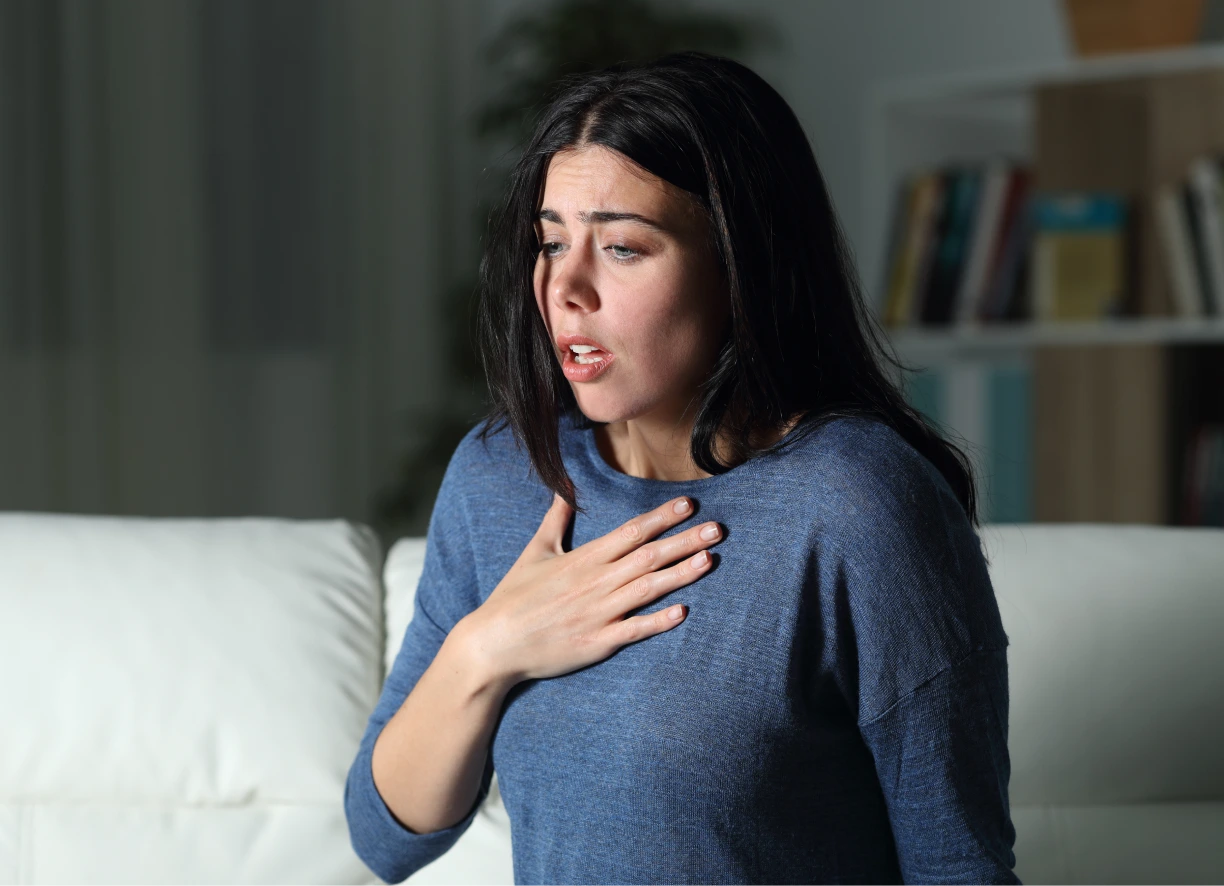
Wounds from attachment often manifest as severe unfulfilled desires that stem from childhood experiences of discomfort, anxiety, or unpredictability, usually caused by a person’s parents or guardian. Occasionally, such wounds can be developed in adulthood through traumatic experiences or break-ups. Such wounds affect behavior at work, in relationships with friends and partners, as well as the ability to open up emotionally.
In the U.S., more than 32% of adults have an attachment disturbance. While attachment wounds are not a clinical diagnosis, they can increase the likelihood of developing mental health disorders such as depression or anxiety. They can also increase the risk of suicidal behaviors. What’s more, attachment dimensions are associated with worse personal recovery among people with a psychiatric disorder.
The best mental health facilities understand how adult attachment wounds inform, exacerbate, and even limit recovery efforts among people with comorbid psychiatric diagnoses. In this article, I explain what adult attachment wounds are, how they interact with mental health, and what treatments are effective.
What Are Adult Attachment Wounds?
Adult attachment wounds represent emotional wounds that affect how one interacts with themselves and others.
These attachment wounds differ from attachment disorders, which are uncommon clinical psychiatric disorders attributed to severe neglect during childhood, including unstable and abusive childhood experiences. Adult attachment wounds can occur as a result of having an attachment disorder or developing a particular attachment style.
Attachment styles are secure, anxious, avoidant, and disorganized. Attachment wounds can occur with the latter three styles.
Attachment wounds manifest in different ways, but the most common are:
- Intense fear of abandonment
- Hypervigilience
- Constant need for reassurance
- People-pleasing
- Shutting down
- Fearing intimacy
- Repeating familiar dynamics in relationships
- Emotional numbness
- Physical symptoms, including sleep disruption, headaches, digestive problems, and tight chest
What Causes Attachment Wounds?
Attachment wounds commonly form in childhood, when a young person’s experiences teach them that closeness is unpredictable or dangerous. They then carry maladaptive survival strategies from this time into their later life.
Trauma is a prevalent origin for attachment wounds, particularly physical, mental, or sexual abuse, or neglect. In these scenarios, there is usually a primary caregiver with whom the child has a natural attachment system. This system motivates the child to seek closeness with the caregiver, but as they do, they experience emotional distress. The child not only feels the effects of the trauma, but they also come to mistrust the attachment system and the basis of relationships itself.
Less common, but possible, are attachment wounds that arise from ruptures in adult life. These include infidelity in a romantic relationship, betrayal in a professional setting, abandonment, and the sudden death of a loved one.
Attachment Wounds and Psychiatric Conditions
The risk of developing a mental health problem is increased by attachment insecurity. In addition, once a person experiences the disorder, it can complicate their treatment. For instance, individuals suffering from serious mental illnesses such as severe personality disorders or schizophrenia usually suffer from attachment insecurity and adult attachment wounds. Other psychiatric conditions associated with attachment insecurity are:
- Depression
- Anxiety
- Obsessive-compulsive disorder (OCD)
- Post-traumatic stress disorder (PTSD)
- Suicidal tendencies
- Eating disorders
Anxious attachment (i.e., characterized by a strong need for emotional intimacy paired with intense fear of rejection) is associated with emotional borderline disorders, whereas avoidant attachment, characterized by discomfort with intimacy and a need for independence, is associated with schizoid disorders. Both attachment styles can intensify the psychological effects of childhood trauma and contribute to ongoing emotional fragility, including low self-worth, which can increase the risk of self-harm and suicidal ideation.
Psychological problems can also increase attachment insecurity. Research shows that, in different cases of trauma, attachment anxiety and avoidance increased over time among people who had a prior history of a mental health disorder.
It’s important to note, however, that the relationship between attachment wounds and psychiatric conditions is not causal. A combination of biological, psychological, and socio-cultural factors can worsen attachment-related issues.
What studies do show is how insecure attachment can negatively affect personal recovery from psychotic disorders. Secure attachment styles allow people to be more resilient, more hopeful, and more emotionally healthy. When an individual has attachment wounds, it means that their threats lead to exaggerated emotional reactions, or their vulnerabilities become trivialized, which hinders their ability to lead a life that is fulfilling despite their mental illness.
Treating the Condition and the Wound
Treatment for attachment wounds and psychiatric comorbidities has to focus on alleviating symptoms first and then working to restructure the person’s relational patterns.
The therapeutic relationship can be fragile, particularly in the beginning, when attending to co-occurring psychiatric conditions and attachment wounds. Individuals can be easily stimulated in their relationship dynamics and may project their attachment style onto their therapist. Mental health practitioners need to focus on gradually and purposefully creating trust in the relationship with the patient, as it is essential to deal with serious psychological problems.
- Early treatment for symptom relief may include medication management, such as selective serotonin reuptake inhibitors (SSRIs) and mood stabilizers.
- Psychotherapy should also take place at this time, but should focus on safety-building and helping the person find stability.
When they are ready, therapy can look more deeply at the causes of the disorder and attachment wounds that are present.
- Attachment-Based Family Therapy (ABFT) is valuable here. It looks at relational trauma, helps identify attachment injuries, and can support reshaping emotional responses.
- Dialectical behavior therapy (DBT) is another form of therapy that teaches how to cope with difficult situations and to regulate emotions, which is effective in cases of people having personality disorders, for instance, in people with borderline personality disorder and bipolar disorder.
- Eye Movement Desensitization and Reprocessing (EMDR) treatment can also help a person get through the trauma that happened during their childhood and process the stored memories of attachment traumas.
Relational Advances Can Support Health Improvements
There are many instances in which the two modalities complement each other, and taking care of both aspects together may become crucial if the person is receiving depression treatment or for any other co-existing mental illness.
While the process can be difficult, the healing of the attachment wound depends on coming to terms with the event that resulted in the wound and reprogramming the brain and nervous system to understand that they are no longer in danger. In this calmer state, people can request secure relationships which challenge their previous internalizations about closeness. Such progress may even aid outcomes around psychiatric disorders, because the person has an improved relationship with themselves.
Sources
[1] The Attachment Project. 2026. Do you know your attachment style?. attachmentproject.com.
[2] Rajkumar, R. 2022. Comorbid depression and anxiety: Integration of insights from attachment theory and cognitive neuroscience, and their implications for research and treatment. Frontiers in Behavioral Neuroscience.
[3] Monika Szeifert, N. et al. 2025. The mediating role of adult attachment styles between early traumas and suicidal behaviour. Nature.
[4] Bussel, E. et al. 2023. Adult Attachment and Personal Recovery in Clients With a Psychotic Disorder. Schizophrenia Bulletin Open.
[5] Lahousen, T. et al. 2019. Psychobiology of Attachment and Trauma—Some General Remarks From a Clinical Perspective. Frontiers in Psychiatry.
[6] Mikulincer, M. Shaver, P. 2012. An attachment perspective on psychopathology. World Psychiatry.
[7] Cozzarelli, C. et al. 2005. Stability and change in adult attachment styles: associations with personal vulnerabilities, life events. and global construals of self and others. Journal of Social and Clinical Psychology.
[8] Davila, J. et al. 1997. Why does attachment style change?. Journal of Personality and Social Psychology.
[9] Jones, B. et al. 2023. A systematic review on the effectiveness of dialectical behavior therapy for improving mood symptoms in bipolar disorders. International Journal of Bipolar Disorders.