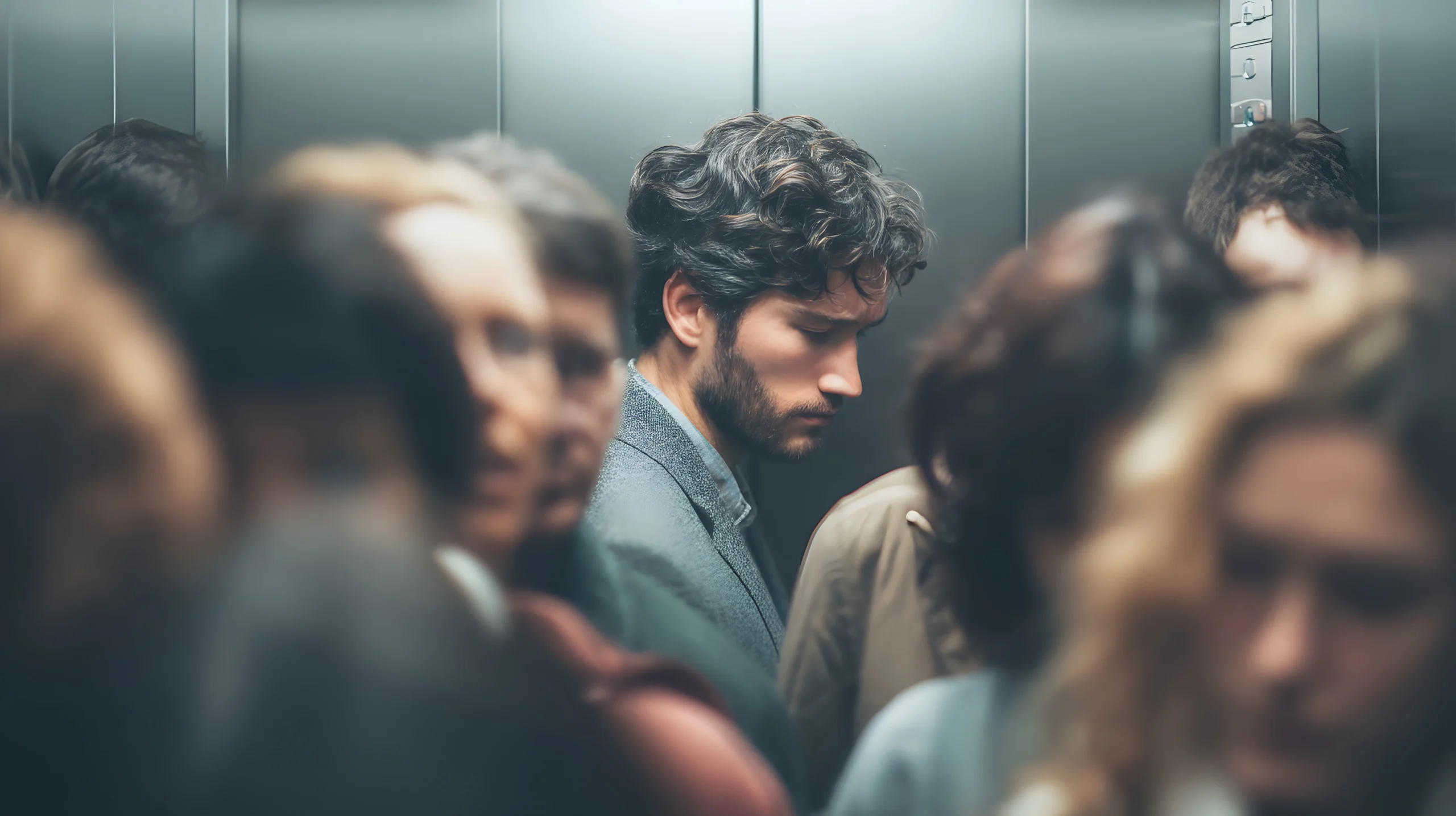
Acknowledging that we are experiencing a physical change beyond our control can be one of the most concerning experiences for our identity. It can be that our hair is thinning, we are gaining/losing weight, our skin is aging, or we no longer feel as energetic. Such transformations might not be uncommon but they still have emotional impacts. The physical aspect of a person’s identity is an important part of their self-esteem. When someone starts to experience changes, they might go through numerous feelings such as embarrassment, anxiety, frustration, and sometimes even grieving what has passed. The whole challenge is not about simply learning to live with a different body but to find ways to keep our self-esteem in the face of those unavoidable transformations.
Understanding the Emotional Impact of Physical Change
Physical transformation influences not only the way we look but also how comfortable we feel in social situations. For instance, a person who starts experiencing hair loss might avoid having pictures taken of them or going out. Similarly, a person who is aware of some unexplained changes in their weight may start criticizing themselves and develop the same avoidance behavior.
These reactions usually stem from the fact that we associate meaning with certain physical traits. We normally link physical traits with attractiveness, youthfulness, vitality, and so on. Therefore, when we come across something different from what we are used to seeing, our confidence gets shaken.
It is important to note that changes in appearance do not mean they are superficial. The intention is not to reject these feelings but rather to make sure they do not lead us to a superficial view of ourselves.
Physical Changes Are Not Always Permanent
One of the causes of our strong reaction to the unwanted physical changes is uncertainty. We may not know what causes our hair loss, how fast the process goes, and whether there is something that can help to solve the problem. These doubts may make it necessary to seek assistance from experts. The most common causes of hair loss include:
- Genetic factors: Hereditary hair loss, such as male or female pattern hair loss is a common cause.
- Hormonal fluctuations
- Unhealthy lifestyle, such as poor diet, inactivity, etc.
- Drug abuse
- Pre-existing health diseases
Depending on the underlying cause of the problem, doctors may prescribe female hair loss treatments such as topical minoxidil or other prescriptions. Timely diagnosis may help select the appropriate measures of treatment and, on the contrary, get rid of unnecessary worries.
Cases of serious weakness or unexpected weight and physical changes should not be attributed exclusively to age or stress. Not every change can be treated. However, many of them can be. Knowing about possible treatments may help us cope with these changes or more readily accept them.
Rebuilding Self-Worth Beyond Appearance
The second impact is the identification of the difference between who we are and our physical bodies. Our bodies are indeed important, but they do not form the whole of our personality. Qualities such as the way we are connected with others, what values we believe in, how much humor we demonstrate in our relationships with other people, what creative talents we possess, and whether we help other people are more significant than our physical appearance and skills. However, it does not mean that we should act as if physical appearance does not matter at all. What it means is that we should embrace deeper things to improve our self-confidence.
It can help to ask yourself, “If I felt more confident about my appearance, what else would I focus on or enjoy doing”
This question aims to identify characteristics that are independent of one’s beauty. It is also worth being aware of when self-criticism becomes excessive. Some indicators include:
- Looking in the mirror all the time.
- Not communicating with others.
- Being preoccupied with one’s imperfections.
In those situations, it is better to get emotional help. The good news is that mental health specialists such as the board-certified psychiatrists at GABA Telepsychiatry know how to help fight unhelpful thought patterns and develop coping strategies.
Finding Hope Through Small, Meaningful Actions
Hope does not necessarily mean that we believe everything will return to how it once was. Hope encourages us to believe that there is always something that can be done despite difficulties. It is important to understand that any change requires taking some action, such as consulting a professional, developing a good habit, and taking action to deal with negative influences that surround us, such as the unrealistic pictures seen on the Internet.
It is necessary to express disappointment but not to support the idea that it is impossible to do something. Sometimes adapting to our feelings might take time. Showing frustration may disturb sleep, relationships, work, and lifestyle. At such moments, seeking a mental health professional, such as a board-certified psychiatrist, can be a wise decision for obtaining a comprehensive care plan to prevent the psychological condition from worsening.
Keep in mind that undesirable changes in the body can surprise us. However, they do not affect our future happiness. The important thing is that the acceptance of our current situation does not mean that we stop seeking to improve our lives. It means that we do not view ourselves based only on what we are facing.