
Imagine seeing some recurring patterns, hearing unfamiliar voices whisper in your ear all day, feeling like someone is watching you, tasting something metallic every time you take a bite of your food, and suspecting that your friend is hiding something from you. It would be frightening, to say the least.
This is exactly what people with schizophrenia go through. While it is true that we should not take this condition lightly, it is equally important for us to educate ourselves on the experiences of those who suffer from schizophrenia and learn more about the condition from these experiences. Schizophrenia is like a maze of gloom and uncertainty that feels inescapable.
While people go through different experiences, they, however, share the same symptoms. The feelings of hopelessness and isolation persist as time goes on. The experiences of schizophrenic individuals are very real and cannot be dismissed as mere ‘hallucinations’ and ‘delusions’.
People could always say they sympathize with them, but it’s easier said than done; they could never put themselves in their shoes. It is hard to live a life in which you cannot tell the truth, lie apart, and not have people by your side who believe you.
Living with schizophrenia is challenging; people suffer symptoms of all kinds of illnesses, and schizophrenia shares some of its symptoms with these illnesses. Some of these are symptoms of Psychosis, Depression, Social Anxiety, Bipolar Disorder, Brief Psychotic Disorder, Borderline Personality Disorder, and Major Depressive Disorder, to name a few. So, people not only have to endure the pain that comes along with schizophrenia, they also have to struggle to get their diagnosis correctly identified so they can start an appropriate treatment plan.
Apart from medication (which is a necessary approach), schizophrenic individuals greatly benefit from community,family, and network support, and require genuine care, empathy, and understanding. It is easy to bring someone down for something they do not have any control over, but it is extremely complicated to provide help and support to them and be there in their difficult times.
It is not complex to show that you care for them; simple tasks like remembering their schedule, noting down their symptoms, keeping track of their schizophrenic episodes, scheduling their appointments with the doctor, and most importantly, listening to their troubles could prove to be helpful in their journey of treatment. Asking them about their experiences makes them feel heard; it shows them that you believe and care about what they say and they feel seen.
It is our responsibility, as fellow humans, to read up on schizophrenia and educate ourselves. There are many assumptions surrounding schizophrenia that harm the reputation of people who suffer from it. Many depictions portray schizophrenia as an illness of ‘the mad’, and that schizophrenic people pose a threat to society as they have violent tendencies such as in the novel The Strange Case of Dr Jekyll and Mr Hyde.
This is far from the truth; people with schizophrenia are not violent and do not pose a threat to those around them. In some rare cases, schizophrenic individuals have been violent, too, because they did not have appropriate resources for treatment and did not have a correct diagnosis. So, it is crucial for us to get our information from credible sources and do our research with utmost authenticity.
What is Schizophrenia?
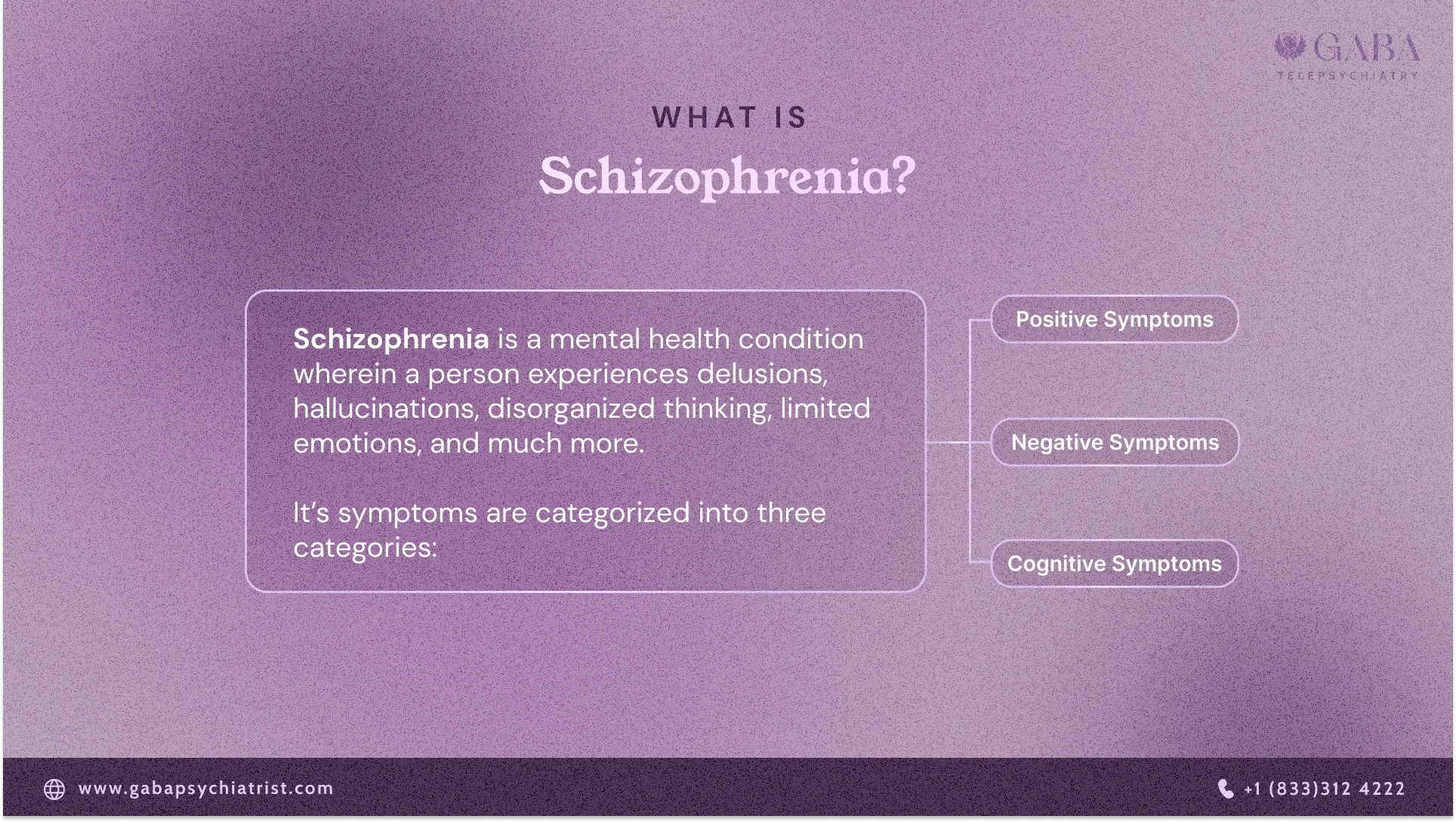
Schizophrenia is a mental health condition in which a person experiences delusions, hallucinations, disorganized thinking, limited emotions, and much more. It is a debilitating condition that affects the overall well-being of someone, causing them to feel “out of place” and subsequently, resulting in social isolation. Schizophrenia restricts a person from fully utilizing their cognitive and thinking skills and as a result, leads to symptoms of psychosis and other mental illnesses.
There are three types of symptoms of schizophrenia; Positive Symptoms, Negative Symptoms, and Cognitive Symptoms. Following are some other symptoms that come under these:
Positive Symptoms
These are the symptoms that are in addition to the existing symptoms; these are called ‘positive’ symptoms as these are present additionally, rather than being beneficial in any way. Some of these are:
- Delusions
- Hallucinations
- Abnormal Physical Behavior
- Disorganized Thinking
Negative Symptoms
These are the symptoms that showcase the lack of some of the basic functionalities of human beings. These are known as ‘negative’ symptoms as they indicate the absence of some fundamental functions. Some of these are:
- Physical Inactivity
- Withdrawal Tendencies
- Lack of Emotions
- Difficulty in Planning
Cognitive Symptoms
These are the symptoms that affect the working memory of schizophrenic individuals. These are called ‘cognitive’ symptoms, as they influence the cognitive processes of a person. Some of these are:
- Difficulty in Concentration
- Trouble in Language (verbal or non-verbal)
- Incoherent Speech
- Cognitive Dysfunction
Some people confuse delusions with hallucinations; while both are symptoms of schizophrenia, they have their own symptoms.

What are Delusions in Schizophrenia?
Delusions are false beliefs and perceptions that people with schizophrenia hold. Most of the time, these are proven to be false and are just a part of the person’s imagination. There are many categories of delusions. Some of them are:
- Grandeur
- Persecutory
- Jealousy
- Folie a’deux
- Somatic


What are Hallucinations in Schizophrenia?
Just like delusions, hallucinations are false perceptions of events, objects, and things that involve our five senses. Schizophrenic people hear, see, smell, taste, and feel things that others around them do not. Following are the categories of hallucinations:
- Visual
- Auditory
- Gustatory
- Somatic
- Olfactory
Other than schizophrenia, these symptoms of delusions and hallucinations are seen in some other mental illnesses like Schizoaffective Disorder, Psychosis, Major Depression with Psychosis Disorder, Substance-induced Psychosis, and many more. Therefore, it becomes imperative for individuals experiencing these symptoms to get a correct diagnosis for a pertinent treatment plan.


What is the Treatment for Schizophrenia?
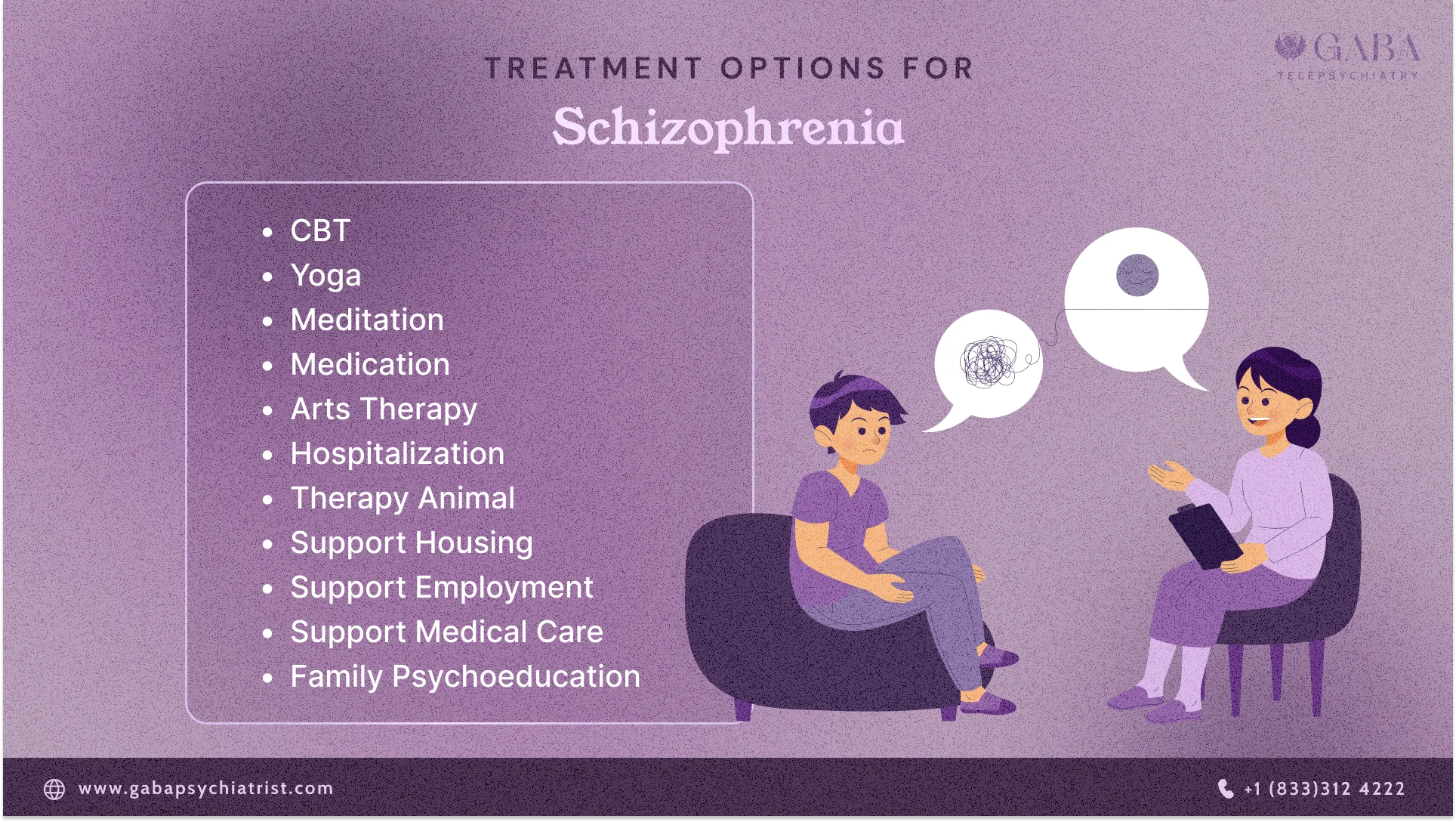
There are various methods to mitigate the episodes and symptoms of schizophrenia. So, while it is crucial to get a correct diagnosis, it is equally important to follow a treatment plan to stay on the path of progress. Some of the most preferred procedures of treatment are listed below:
- Medication
- Cognitive Behavioral Therapy
- Arts Therapy
- Therapy Animal
- Yoga
- Meditation
- Support Housing
- Support Employment
- Support Medical Care
- Hospitalization
- Family Psychoeducation
Since there are other treatment options available, mental health experts/ professionals suggest people suffering from schizophrenia to try out some of these methods, along with their prescribed medications for improved results.

Living With Schizophrenia
Carlos Larrauri shared his experience with schizophrenia on the internet.
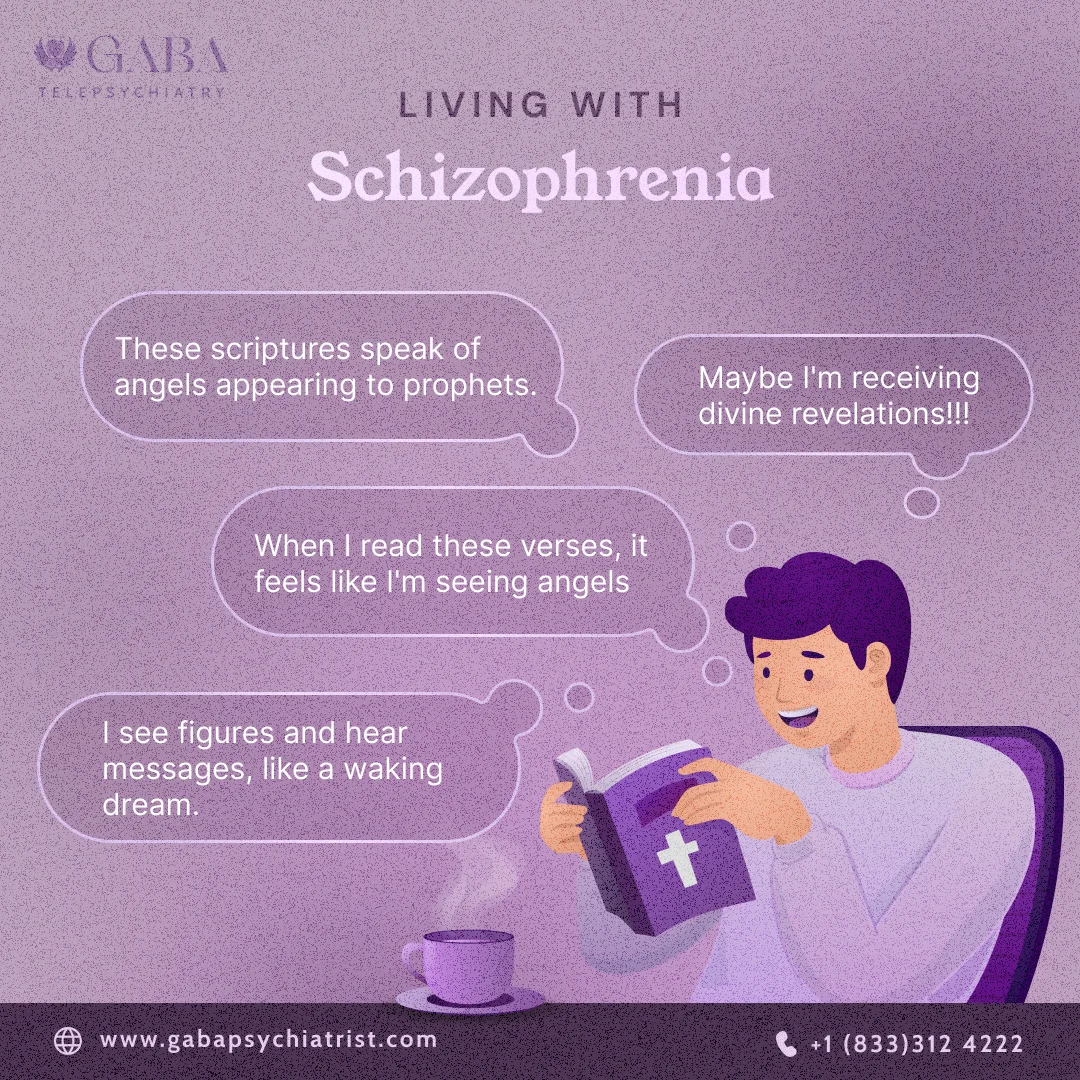
Carlos Larrauri was an exceptional student all his life. However, his college experience taught him something no academic book in the world could. He found himself obsessing over religious texts, to the point that when he started to hear voices, he thought these were the voices of ‘angels’ communicating with him.
Subsequently, his academic performance started to decline, he stopped taking care of his hygiene, and he found himself under an enormous amount of stress. It was later in his 20s, when he consulted professionals for a diagnosis, that he discovered that schizophrenia was the root of his issues growing up.
Another individual, Kurt Snyder shared his experience online.
From his teenage years, Kurt Snyder was glued to the mathematical ideas of fractals and infinity. All his teenage life, he thought he was the ‘special one’ who was supposed to find a new mathematical principle that would prove to the world that there are other ways in which we could view the universe. This delusion took over Kurt and hindered his university life.
The concept of this ‘special principle’ was all he could think about. Even when he failed in all his career endeavors, he thought he was a ‘hidden genius’ who was about to be discovered. What he didn’t know at that time was that he was experiencing delusions of grandeur.
One day, Kurt went to the cabins for a vacation with his family. All of a sudden, he started imagining images from horror movies where an intruder breaks into cabins and kills people. He started to believe that this would happen to his family as well. So, he began to barricade all the doors in the cabin with wooden chairs, and his family looked at him, appalled. At that moment, all Kurt could think about were those horrifying movie scenes.
Patrick also shared his story with the world.
When Patrick was in high school, he was an outstanding student with commendable grades and a cheerful personality. However, a catalyst in his experience with schizophrenia was his breakup with his high-school girlfriend.
After the breakup, Patrick’s mental health spiraled, and he started to think that his fellow peers were listening in on his inside thoughts; he became paranoid that they were making fun of his innermost beliefs. People around him also told him that his speech had become a ‘word salad’.
He hallucinated about certain letters and numbers and thought they had some hidden messages behind them. He isolated himself from his family and friends to the point that he refused to leave his bedroom for days.
Patrick’s family thought he was going through a common ‘teenage angst’ phase, and the whole situation would resolve itself in a few weeks. However, when he did not show any improvement, his mother realized the situation was serious and took him to the doctor to assess the underlying problem.

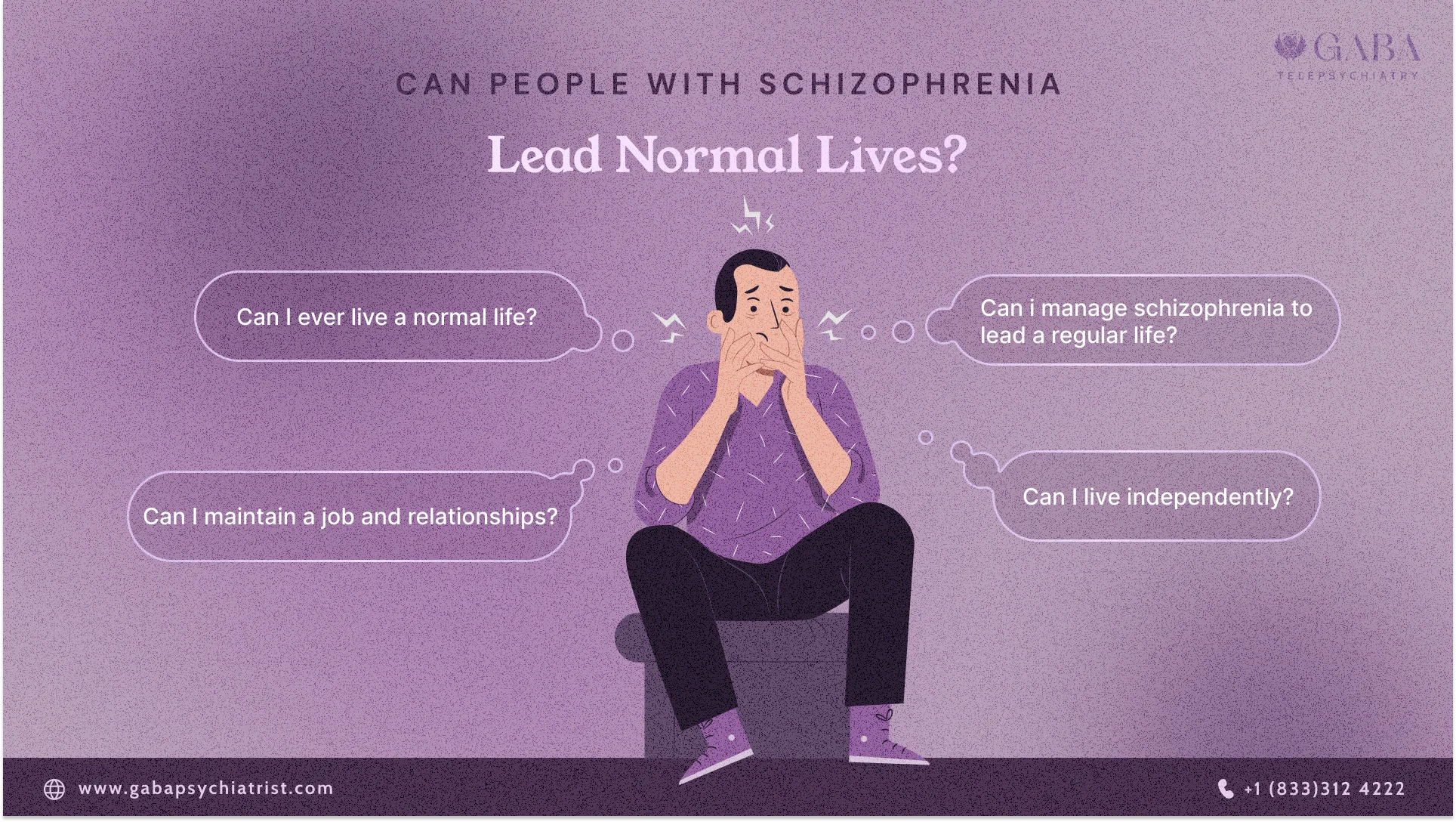
Can People With Schizophrenia Lead Normal Lives?
Carlos Larrauri, now 33, is pursuing a law degree from the University of Michigan. Along with being a board-certified family nurse practitioner, he is also a volunteer for NAMI and, most importantly, a proponent of mental health.
He thanks himself for his persistent determination to not fall into the dark trap of schizophrenia and for not giving up. He told the internet how self-confidence and self-determination helped him through his difficult times.
He’s also grateful to his family, for they showed him constant support and provided him strength when he needed it the most. Carlos shared about one of his friends, going through a similar experience and told the internet how they went through their dark times together. He shared how a sense of camaraderie can provide solace to you and the other person.
Carlos emphasizes the fact that following a healthy routine is crucial. Adequate sleep, a healthy diet, and regular exercise could greatly benefit the person suffering from schizophrenia. Since schizophrenia makes a person lose track of a routine, focusing on these aspects helps curb the effects of the condition.
Kurt shared his experience with different medications that his doctors had prescribed him. When he started taking Geodon, he felt a sudden spike in his depressive episodes. He fell into a deep depression and could not get out of bed for days. However, he noticed that the positive symptoms of schizophrenia had gradually declined.
After noting down his symptoms of depression, his doctors switched his medications to Zyprexa. Kurt writes that mentally, he is in a great place now and that he never skips his medication.
He tells the reader that he hasn’t experienced any positive or negative symptoms so far, and people, when they meet him, cannot tell that he has suffered from schizophrenia in the past. He owes it to his medications.
Kurt Snyder also shared a bit about his life after the treatment procedure. He’s now a member of his area’s local fire department and has recently been elected vice president.
Patrick shares how he worked at a fast-food restaurant for a while and later enrolled in a community college with a friend. His friend enjoyed studying math and encouraged Patrick to take some math classes. So, that is exactly what he did, and thoroughly liked all of the classes.
In 2015, he graduated from California State University with a degree in mathematics. He also succeeded in securing a position as a systems analyst intern and is currently working as a process controller for a food- delivery service. He hopes to get a master’s degree in Computer Science in the future.
Although his schizophrenia symptoms have not been entirely resolved, he works with his doctor to come up with new methods and techniques to combat the symptoms that resurface.
Patrick explains how different medications work well for different people. For him, he responded well to LAI. LAI was supposed to be taken less frequently, and Patrick’s symptoms improved a lot after that LAI medicine. So, while LAI worked for him, it might not work for others. Therefore, it is important to follow a medication plan that suits that particular individual the most.

Can You Grow Out of Schizophrenia?
If people with schizophrenia follow a healthy lifestyle and adhere to their medication schedule with regularity, they will notice an improvement in their condition. While different treatment methods could be used to mitigate the symptoms, schizophrenia cannot completely go away. Doctors and scientists have yet to discover methods to fully cure the condition or prevent it in the first place.
By following the above-mentioned methods, individuals could go back to living their lives normally, and function without experiencing any positive or negative symptoms regularly; however, it is not guaranteed that they will fully recover.
For instance, in the case of Carlos Larrauri, although he has found his path in life, he states that it’s still not easy for him to overlook his existing symptoms, and live life like his condition doesn’t exist.
There’s a chance that the symptoms will resurface or become more severe if a person goes off their medication, thinking that their condition has improved and they don’t need them anymore. So, while these methods help individuals improve their debilitating symptoms, they only suppress them and do not resolve the whole condition.
While individuals with schizophrenia could lead a normal life, that is not to say they are not prone to accidents or any other physical illness. Research has found that people suffering from schizophrenia are at a higher risk of getting into road accidents than the average person. This is due to their persistent positive symptoms of delusions and hallucinations.
One research stated a case about a person who refused to wait for the traffic light to turn red to cross the road and started walking into the path of oncoming traffic because they thought they were being protected by angels. Other cases stated that schizophrenic individuals are more prone to diabetes and heart disease because of their sedentary lifestyle.
Unfortunately, schizophrenia is a condition that cannot be done away with; it can only be controlled. However, with proper lifestyle choices and a considerate outlook towards the condition, it will be easy for individuals to deal with it better and get a clearer understanding of how to manage its symptoms adequately.
Visit our website to know more.