A person fills in one small numbered section of a canvas during a quiet evening.
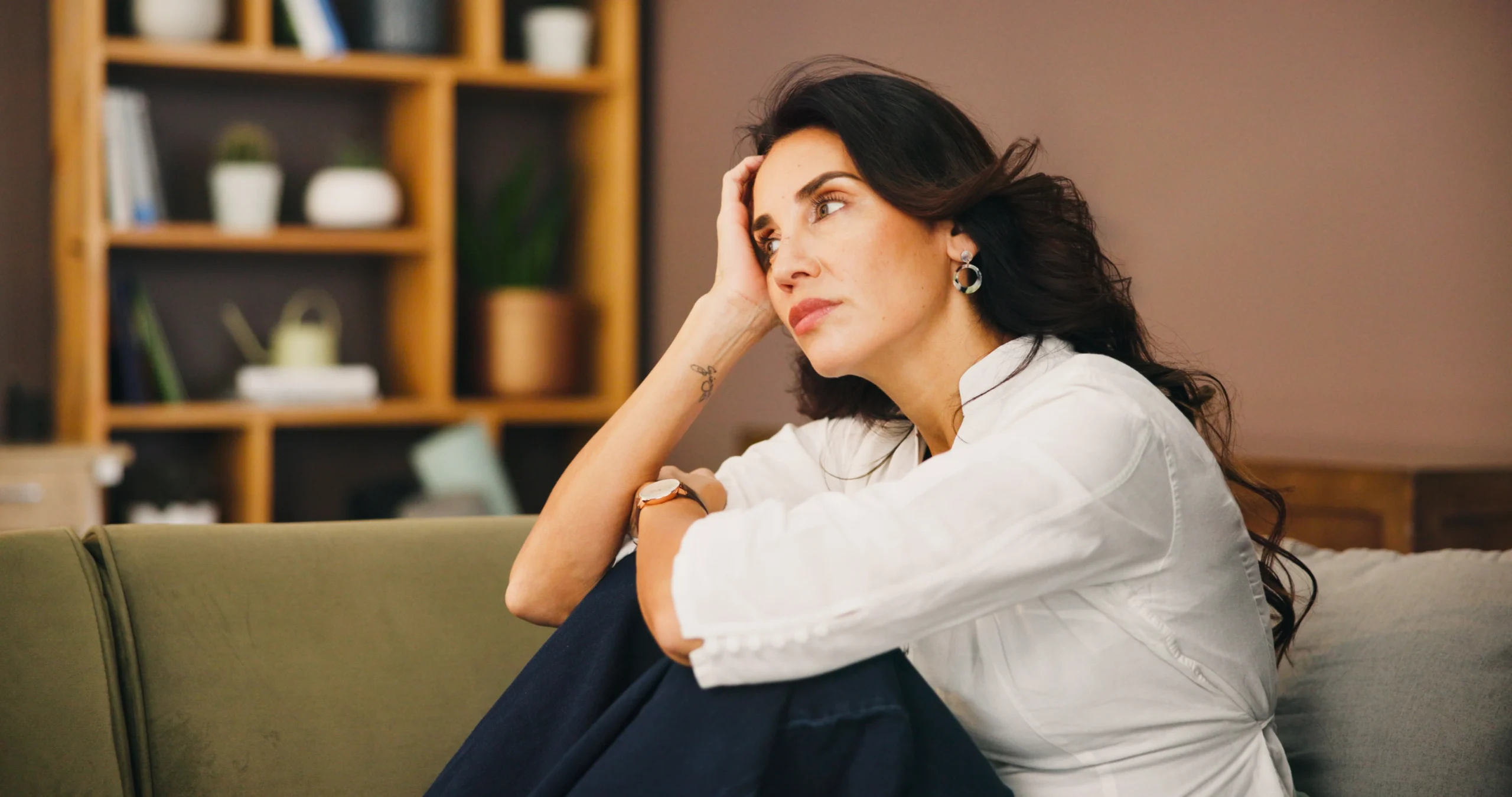
When your mind won’t slow down, the usual advice is to “relax,” which is about as useful as telling someone to “be taller.” What most people need is something tangible to do with their hands and attention, ideally something that doesn’t require willpower or a decision every thirty seconds.
That’s why so many people take up hobbies such as knitting, puzzles, and numbered canvases. These activities aren’t treatment, and nobody should consider them this way. But there’s a reasonable body of research on how creative activities affect stress, and it’s worth separating what it shows from what it doesn’t.
Why a Structured Hobby Suits a Restless Mind
Open creativity can also add to the burden of stress through making choices. A blank slate requires you to figure out what to create, what colors to pick, and if it’s aesthetically appealing. Sometimes having fewer choices makes it easier to enjoy the task.
All of this is true for the color by numbers painting kit, which has already done most of the work for you by providing you with a template and a guideline. You don’t need to start from scratch; instead, you will use a ready-to-go template, where the initial design is already provided with the necessary division into numbered parts, which you will paint in the corresponding colors. With paint-by-number systems, you can unleash your creativity with less burden of planning. Watching a painting come to life is also an enjoyable experience. You don’t have to complete the painting in one session or impress anyone with your work. You can just do a few sections, leave your work, and start another day again. This is the joy of structured hobbies that are great for when your head is overloaded.
How Common the Problem Is
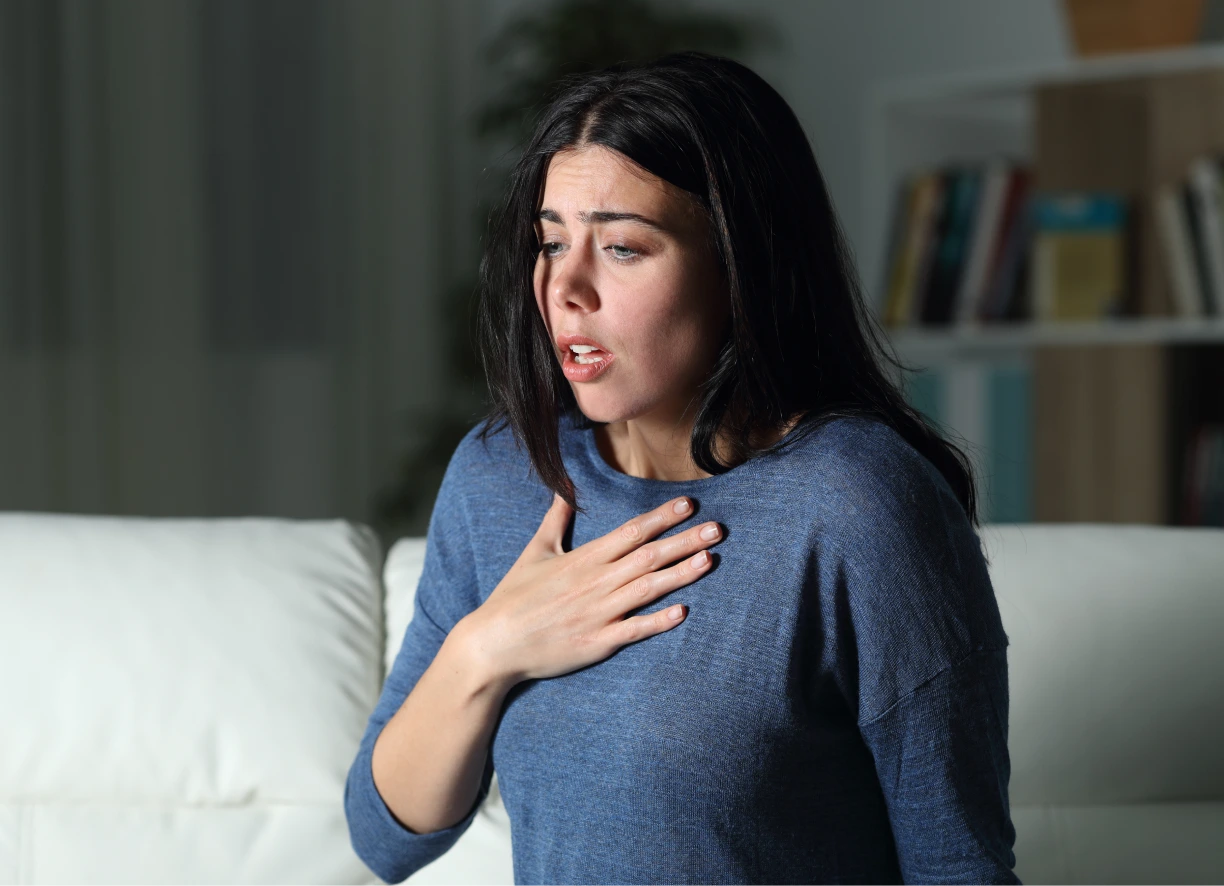
Anxiety is common across age groups, and many people suffer for long periods without discussing it with anyone.
Anxiety isn’t a niche concern. The National Institute of Mental Health reports that an estimated 19.1% of U.S. adults had an anxiety disorder in the past year, and about 31.1% will experience one at some point in their lives. These figures come from a national survey conducted between 2001 to 2003, so current numbers may differ, but the scale is clear.
Most of those people will try to manage some of it on their own, and hobbies are a good distraction which can help to manage anxiety.
What the Evidence Shows About Making Art
The most direct study is small but interesting. Girija Kaimal, along with other researchers, published a quasi-experimental study in “Art Therapy” in 2016 in which 39 healthy adults made visual art for 45 minutes. Their cortisol levels fell significantly, as measured through saliva samples taken before and after. According to participants, the session was relaxing and enjoyable, and some of them stated that they lost themselves in the process of creating the visual art.
Two limits matter. The participants were healthy adults, not people with an anxiety disorder, and they weren’t using a paint-by-number kit. So the study tells us that 45 minutes of making art can lower a stress hormone in a typical adult. It doesn’t tell us that a kit treats anxiety.
The Bigger Picture Is More Cautious
A broader view comes from a 2010 review in the American Journal of Public Health. Heather Stuckey and Jeremy Nobel examined the literature on music, visual arts, movement and writing, and concluded that art-based interventions reduce adverse physiological and psychological outcomes, while noting that how far they improve overall health status is largely unknown.
That’s an honest summary of the field. Creative activity looks like a useful support for many people. The evidence that it works as a stand-alone treatment for a clinical condition is thin.
Pairing It With Other Habits
The phone sits across the room so the painting session stays screen-free.
Hobbies work best when they become part of a routine. For example, many practitioners combine painting practice with some slow breathing or a short body scan, as was mentioned in the introduction to mindfulness meditation. The sessions should be brief (approx. 20-30 minutes) and sufficient, and the phone should be out of reach..
It also helps to keep expectations modest. Notice how you feel before you start and again when you stop, even in an approximate way, on a scale of one to ten. After a couple of weeks, that note-to-self tells you more about whether the habit suits you than any article can. Some people find the effect obvious; others feel nothing in particular, and that’s a perfectly normal result. But noting this can make it easier to compare hobbies and decide what works for you.
Evenings are the obvious slot, since a screen-free activity before bed can replace late scrolling. If sleep stays poor after a few weeks, the causes should be looked at rather than trying to find a different hobby.
When a Hobby Isn’t Enough
Be mindful of the signs that indicate you might require more assistance beyond using hobbies to de-stress: consistent feelings of worry, panic attacks, problems with sleep, avoiding people or places, or anxiety that creates problems in your work and social life. None of these signals are signs that you have done something wrong. They indicate that the issue has grown beyond the scope of crafts. A mental health professional can evaluate your issues and assist you in creating a personalized anxiety treatment plan. If you are in crisis or are thinking about hurting yourself, please call 988 or text that number today. Otherwise, keep enjoying your hobby and get some help.