
Mental Health Evaluation for Court
Mental Health Evaluation for Court
Schedule a court-ordered mental health evaluation with our experts. Find the Best Psychiatrists who can help with your legal case.
Thorough sensitive psychiatric evaluations,
conducted in person and online.
Schedule a court ordered mental health evaluation online with our experts. We specialize in forensic mental health evaluations and provide convenient online mental health evaluations for court purposes.
Mental Health Evaluation for court requires specialist training, time, and patience. A thorough, well-thought-out evaluation can dramatically improve the outcome of your case.
Our Experienced Board-Certified Psychiatrists take the time and effort needed to help you with your legal situation.
These Forensic Evaluations can be important in a number of different legal situations, including:
- Insanity Defense
- Mental Health Defense
- MHE for Child Custody
- MHE for Civil Litigation
- MHE for CPS
- MHE for Criminal Defense
- MHE for DHS
- MHE for Disability
- MHE for Employment Court
- MHE for Fitness to Stand Trial
- MHE for FOID
- MHE for Guardianship
- MHE for Immigration Court
- MHE for Parenting
- MHE for Pretrial Intervention
- MHE for Probation
- MHE for Restraining Order
- MHE for Testamentary Capacity
- Parental Alienation
- Psychosexual Evaluation for Court
Purpose of the Mental Health evaluation for court
Allows the client to tell their side of the story.
Allows time to include details that are missed in court.
Allows the client to explain how their psychiatric condition affects their current situation.
The forensic psychiatrist will review medical records, police records, CPS records, collateral letters, text messages, and other information that will help the client show that their story is consistent.
Allows all factors to be considered , so that the client can be assessed fairly.
Provides useful information to the judge, which can be reviewed prior to court .
What has changed, why the client is now fit to return to work, and why they are no longer a danger to themselves or others.
Allows the client to demonstrate they are taking the steps to maintain wellness if applicable.
While the forensic psychiatrist must remain neutral, the benefits of seeing a forensic psychiatrist is that they are accustomed to consuming long, narratives, reviewing the collateral information, and considering all factors needed to provide a balanced picture.
These details and collateral items, are often missed in a regular psychiatric evaluation.
How the Results of a Mental Health evaluation for court can affect decision making
The results can affect decisions on things like sentencing, whether someone is mentally fit to stand trial, custody arrangements and other legal issues. The nature of the case often dictates the depth and scope of the evaluation.
The main goal of a forensic psychiatric evaluation is to provide the court with an unbiased and professional assessment and testimony of their opinion an individual’s mental health. This evaluation aids the court in understanding the individual’s mental condition, which can be crucial for resolving legal issues. Professional intervention is often required to maintain legal accuracy. Such evaluations are commonly requested in various legal situations, including
A thorough evaluation may give the judge, and district attorney, and even the opposing council the confidence to reconsider their perspective , and sometimes assist with a pretrial agreement.




I needed an assessment for family court and it was difficult being I live in Florida, and I was dealing with family court in Maryland. It was tricky navigating this between states. Maryland DSS wanted me to fly up there from Florida for 3 days to get this assessment done and Dr.Reddy and her associates/staff were able to facilitate this lengthy assessment via Zoom, making a 3-day trip not needed which was so wonderful and…Read More
convenient for me. They sent their extremely thorough assessment to the necessary people in Maryland, and it resulted with me being reunified with my children. They were all very professional, compassionate, accommodating and competent. I would highly recommend Dr Reddy and her staff to anyone in need of such professionals
My case was incredibly complicated. Dr Reddy was able to compile information from a variety of different sources and, with her experience, training, and field expertise, piece together what was truly happening with my family and I. Her staff were dedicated to making sure I was prepared for her appointments. The appointments were easy to schedule around my full-time schedule. The staff was knowledgeable and…Read More
compassionate regarding my case. I found her compelling but still graceful in court. Her office maintained the highest level of professionalism I could have asked for. I could not thank them enough for their support!
Types of Mental Health Evaluation for Court
Mental Health Evaluation for Family Court
- Child Custody Evaluation
- Parenting Evaluation
- Parental Alienation Evaluation
Fitness to Parent– In child custody or parental rights cases, the court may need to assess a parent’s mental fitness to care for their child. This evaluation looks at the parent’s emotional stability, parenting skills, and ability to create a safe and supportive environment for the child. It often serves as a key tool in assessing overall parental fitness within legal contexts.
Child Custody Battles– In custody disputes, a forensic psychiatric evaluation can provide valuable information about each parent’s mental health and how it might affect their ability to parent. This helps the court make decisions that are best for the child.
Parental Evaluation for Family Law– Forensic psychiatric evaluations in family law are crucial in both child custody and divorce cases, especially when issues like domestic violence, substance abuse, or severe mental illness are present. These evaluations impact decisions on alimony, visitation rights, and asset division by revealing how mental health may affect one’s role in the marriage or parenting, especially in comparison to the other parent.
Mental Health Evaluation for Criminal Court
- Psychosexual evaluation
- Not Guilty by Reason of Insanity
- Mental Health Evaluation for Criminal Defense
- Mental health Evaluation for Parole and Probation
- Mental Health Evaluation Fitness to Stand Trial
Parole and Probation Evaluations– When deciding on parole or probation, the court may require an evaluation of the individual’s mental health, criminal history, and involvement in rehabilitation. This helps the court decide on release or continued supervision while ensuring public safety.
Criminal Responsibility– This involves assessing if the defendant was mentally competent at the time of the offense. It checks if mental illness or cognitive impairments affected their ability to understand or control their actions, using psychiatric history, interviews, and tests to determine legal accountability. This evaluation can significantly influence sentencing, especially when determining whether mental illness reduced responsibility.
Competency to Stand Trial– In criminal cases, the court decides if the defendant is mentally fit to participate. A competency evaluation checks if they understand the charges, the trial process, and can communicate with their lawyer to make informed decisions about their defense. These evaluations are commonly required in adult court settings where the individual’s legal capacity must be clearly established.
Pretrial intervention – The purpose is to demonstrate that the defendant is not a danger to the community, not at risk of re-offending, welling to receive treatment.


Mental Health Evaluation for Civil Court
- Guardianship
- Mental Health Evaluation for Financial and Testamentary Capacity
- Professional Licensing
- IRS: failure to pay taxes
- Disability
- Personal Injury/ PTSD
- Psychiatric Evaluation for VA Benefits
Disability Claims– For those applying for disability benefits, a forensic psychiatric evaluation might be necessary to determine the severity of their mental health conditions and how these conditions impact their ability to work and perform daily activities. This evaluation helps provide evidence to support or challenge disability claims. Such evaluations often require the assistance of medical documentation and professional analysis.
Guardianship Issues– When someone is considered unable to manage their own affairs due to mental illness or cognitive decline, a forensic psychiatric evaluation can decide if a guardian should be appointed. This evaluation reviews the individual’s mental competency and their capacity to make informed decisions. The nature of their condition is assessed thoroughly to ensure accurate legal conclusions.
Civil Disputes– Forensic psychiatric evaluations can also be important in civil cases involving mental health issues. This includes personal injury claims, where an individual’s psychological condition might influence the outcome of the case by affecting their human behavior in response to the incident.
These evaluations may also assist legal counsel in preparing an appropriate defense strategy based on the findings. In many cases, the evaluator’s input can significantly influence outcomes within the broader criminal justice system and determine issues of criminal responsibility. One major use of these evaluations is in cases involving the insanity defense, where the goal is to assess the individual’s mental state at the time of the alleged criminal act and determine their legal accountability. In certain cases, these evaluations may be conducted within state hospitals, where secure environments allow for extended observation and assessment.
The evaluation process usually includes a thorough look at the defendant’s mental health history, such as past diagnoses, treatments, and any related psychological records, and results in comprehensive evaluations that explain the defendant’s mental state. The evaluator might also interview the defendant, give psychological tests, and collect information from family, friends, or other relevant sources. The report from the evaluator explains the defendant’s mental state and how it could affect their legal case, and suggests suitable legal and treatment services. In the broader litigation process, this mental health assessment ensures that mental health concerns are thoroughly considered.
In the end, a mental health evaluation in criminal defense is really important for making sure justice is done fairly and that defendants get the right care and attention for their mental health needs. One major use of these evaluations is in cases involving the insanity defense, where the goal is to assess the individual’s mental state at the time of the alleged crime and determine their legal accountability.
Mental Health Evaluation for Immigration court
Hardship Waiver Evaluation– Forensic evaluations in immigration cases assess mental health to determine if an individual has experienced trauma or persecution. These assessments can influence asylum decisions by highlighting conditions like PTSD that impact their safety if returned to their home country.
Mental Fitness – This includes mental fitness to participate with the immigration court process training and a strong background in ADHD administration and testing.
While many therapists can help administer an ADHD screening, they may not be authorized to provide a formal ADHD diagnosis. In some cases, clinical social workers or certified ADHD specialists may also be qualified to provide you with an ADHD diagnosis.
These evaluations may also assist legal counsel in preparing an appropriate defense strategy based on the findings. In many cases, the evaluator’s input can significantly influence outcomes within the broader criminal justice system and determine issues of criminal responsibility. One major use of these evaluations is in cases involving the insanity defense, where the goal is to assess the individual’s mental state at the time of the alleged criminal act and determine their legal accountability. In certain cases, these evaluations may be conducted within state hospitals, where secure environments allow for extended observation and assessment.
The evaluation process usually includes a thorough look at the defendant’s mental health history, such as past diagnoses, treatments, and any related psychological records, and results in comprehensive evaluations that explain the defendant’s mental state. The evaluator might also interview the defendant, give psychological tests, and collect information from family, friends, or other relevant sources. The report from the evaluator explains the defendant’s mental state and how it could affect their legal case, and suggests suitable legal and treatment services. In the broader litigation process, this mental health assessment ensures that mental health concerns are thoroughly considered.
In the end, a mental health evaluation in criminal defense is really important for making sure justice is done fairly and that defendants get the right care and attention for their mental health needs. One major use of these evaluations is in cases involving the insanity defense, where the goal is to assess the individual’s mental state at the time of the alleged crime and determine their legal accountability.


Court Ordered Mental Health Evaluation
Court Ordered Mental Health Evaluation
While the thought of a court ordered mental health evaluation, might at first sound scary, it can actually be a positive experience for the client. It is actually an opportunity for the client to be heard and tell their side of the story, as so much relevant information is often lost in the court process.
Our Experienced psychiatrists at Gaba Telepsychiatry can review the relevant information and provide a psychiatric evaluation and Expert Court Testimony.



The evaluator begins conducting forensic evaluations by looking closely at why the client was referred for the court ordered mental health evaluation online, focusing on the specific situations that caused concerns about their mental health. This involves reviewing any incidents or behaviors that led to the evaluation and considering outside factors that might have affected the client’s actions. In many cases, the issue of legal competency is important to these reviews. Social workers may also be consulted to provide collateral information about the client’s background and community functioning.
If the client is accused of behavior that seems out of character, the evaluator must consider whether stress, trauma, or other pressures could explain their actions.
If the claims against the client seem to be exaggerated, unfounded, or false, the evaluator needs to mention this clearly in the report. It’s important to let the client share their side of the story to ensure the evaluation is fair and considers all relevant details. In such cases, competency evaluations can help determine the validity of claims and the client’s capacity to act with intent.
The final evaluation should give a complete picture of the client, including their current mental health, personal history, past mental health problems, important life events, and other relevant details. The evaluator should also take into account any factors that may have affected the client’s behavior, providing context and a deep understanding of the situation. Understanding the nature of the individual’s background is important for fair interpretation and achieving justice. A thorough psych evaluation ensures that all relevant mental health and behavioral components are fairly considered in personal injury and other court decisions. Adequate professional training in forensic assessment is essential for maintaining the quality and fairness of these evaluations.
The mental health evaluation for court should also cover:
The client’s understanding of their issues and willingness to get better.The client’s understanding of their issues and willingness to get better.
Whether the client’s stressors have been resolved.
How the client is responding to treatment.
The actions the client has taken to address the problem.
Reasons why previous evaluations may not have met the required standards.
Why the previous diagnosis might have been incorrect.
What has changed, why the client is now fit to return to work, and why they are no longer a danger to themselves or others.
What is a Court Ordered Mental Health Evaluation?
A court ordered mental health evaluation is a psychiatric or psychological evaluation that is ordered by the court.
The purpose is to provide information about the clients past or present psychiatric diagnosis, personality characteristics and mental status that can affect the client’s legal case. The psychiatric evaluation can serve two purposes:
When might I get asked for a Court Ordered Mental Health Evaluation?
Criminal Court
Insanity defense, Not guilty by reason of insanity, Fitness to Stand trial. The judge may suspect that there may be mitigating factors, and mental health concerns, that led to the client’s arrest.
A psychiatric evaluation for criminal court may include a violence risk assessment or a psychosexual evaluation, chemical
Family Court
The judge may want additional information about a client’s fitness to parent. Especially when the co-parent is making allegations about the client’s mental health.
Guardianship
The judge may want more information about a client’s ability to make decisions for himself or herself.
Immigration Court
The judge may have concerns about the client’s ability to participate in the court process. The judge may also want more information about a client’s mental status, especially in asylum and VAWA cases.
Civil Litigation
If a client is claiming to have suffered Trauma or PTSD, the judge may need more information.
Mental Health Evaluation for Pretrial Intervention
A mental health evaluation for pretrial intervention (PTI) is a detailed forensic psychiatric evaluation to help courts make a decision on whether an individual could be diverted from the traditional criminal process. A pretrial intervention evaluation is conducted by a Board-Certified Psychiatrist, who provides the judge and district attorney with clinically grounded, fact- based information, in the form of a comprehensive mental health evaluation report.
A pretrial intervention mental health evaluation allows an individual to tell their side of the story in an organized, and clear manner, with the help of a mental health professional. The forensic psychiatrist conducting the evaluation reviews the relevant collateral including the individual’s arrest history, court documents, personal history, character references, and most importantly, past psychiatric history to ensure that the individual’s perspective is rightly represented. The evaluation also checks if the individual has a mental illness that could pose a risk to themselves and the community, while also offering treatment options that would reduce risk and provide support and stability to them.
Insight is a key part of the evaluation. The forensic psychiatrist checks if the individual understands their behavior, and knows how their actions affect others. They also check if the individual takes responsibility. Additionally, the evaluation also looks at risk factors, and protective factors, including social support, family involvement, employment history, treatment engagement, and coping skills of the individual. These parts help the forensic psychiatrist form an opinion about the risk of reoffending. It also covers the individual’s motivation to avoid reoffending.
The forensic psychiatrist also assesses the need for mental health or substance-related treatment. They evaluate the individual’s ability to participate in and comply with a treatment plan. This includes assessing their capacity to follow pretrial intervention conditions during probation.
A psychiatric evaluation can help end in the early termination of the pretrial intervention. It shows the person is not a danger, that they understand their situation, and have protective factors that lower their future risk. Ultimately, a judge and district attorney decide on pretrial intervention, however, a comprehensive psychiatric evaluation, highlighting the person’s ability to change, can shed light on the fact that they are accountable, and can be stable long-term.


How to get a Court ordered Mental Health Evaluation?
You can call us on +18333124222, or schedule an appointment online via our website. Our clinical services are available in New York, South Carolina, Tennessee, Illinois, Florida, New Jersey, and California.
GABA Telepsychiatry is an online platform where the assessment is performed via telecommunication from anywhere.
Dr. Gundu Reddy is a board-certified psychiatrist with ten years of experience practicing forensic psychiatry and fifteen years of experience in clinical psychiatry.

Forensic Mental Health Evaluator

Dr. Lynn Alison Bornfriend
Board Certified Psychiatrist
with Multiple State Licenses (MD)

Dr. Lynn Alison Bornfriend is a triple board-certified child and adult psychiatrist with more than 30 years of experience conducting psychiatric evaluations and testifying for court and legal purposes. Dr. Bornfriend is board-certified in Psychiatry, Child and Adolescent Psychiatry, and Forensic Psychiatry. Currently, she holds multiple licenses, including in Illinois, South Carolina, California, Pennsylvania, Tennessee, New Jersey, North Carolina, and Hawaii.
Dr. Bornfriend is known for her comprehensive evaluations, attention to detail, diligence, and well-reasoned expert opinions. She approaches each case with professionalism, compassion, and a non-judgmental attitude, helping clients feel comfortable throughout the evaluation process.
Dr. Bornfriend’s commitment to quality and objectivity allows her to provide well-supported opinions that can withstand scrutiny. She is highly regarded by both former clients and attorneys for her professionalism, integrity, and dedication to her work. In addition to being a skilled evaluator, Dr. Bornfriend is recognized as a diligent and credible expert witness who takes great care in preparing evaluations and testimony.
Dr. Lynn Alison Bornfriend provides forensic evaluations, such as:
- Child custody evaluations
- Parenting evaluations
- Fitness-to-parent evaluations
- Parental alienation evaluations
- CPS/child protective services evaluations
- Family court mental health evaluations
- Criminal defense mental health evaluations
- Competency/fitness to stand trial evaluations
- Insanity / mental state evaluations
- Pretrial intervention evaluations
- Probation and parole evaluations
- Guardianship evaluations
- Testamentary and financial capacity evaluations
- Immigration hardship and trauma evaluations
- PTSD/ personal injury evaluations
- Professional licensing evaluations
- Employment-related forensic evaluations
- Risk and safety evaluations
- Psychosexual evaluations, when legally appropriate

Dr. Tony Issac
Board Certified Psychiatrist in New York & New Jersey (MD)

Dr. Tony Isaac is an experienced psychiatrist, board-certified in both psychiatry and addiction medicine, with a vast experience in assessing mental health symptoms, substance use issues, risks, and treatment needs. Dr. Isaac is particularly skilled at identifying patterns that others may overlook. Whether evaluating substance use concerns, workplace issues, criminal matters, or questions related to risk and safety, he takes the time to understand how a person’s history, environment, mental health, and life circumstances interact with one another.
Known for his calm, practical, and straightforward approach, Dr. Isaac has a remarkable ability to connect with individuals from diverse backgrounds. He creates an environment where people feel comfortable and safe discussing difficult experiences without fear of judgment.
His balanced and respectful style often helps individuals speak openly about issues that may be relevant to legal, occupational, or personal matters.
Through professionalism, fairness, and integrity, Dr. Isaac strives to deliver evaluations that are thoughtful and helpful to individuals, attorneys, employers, licensing boards, and courts alike.
Dr. Isaac conducts evaluations in areas including:
- Criminal defense mental health evaluations
- Substance use and addiction-related forensic evaluations
- Probation evaluations
- Parole evaluations
- Pretrial intervention evaluations
- Mental health diversion evaluations
- Risk and safety evaluations
- Suicide risk evaluations
- Fitness for duty / employment-related evaluations
- Professional licensing evaluations
- Disability-related psychiatric evaluations
- Personal injury / PTSD evaluations
- Psychiatric evaluations for court
- Treatment recommendation evaluations
- Acute stabilization and return-to-work evaluations

Dr. Gundu Reddy
Board Certified Psychiatrist
with Multiple State Licenses MBBS (MD)

Dr. Gundu Reddy, MD, is a board-certified psychiatrist with more than 15 years of experience practicing clinical psychiatry and over 10 years of experience with forensic psychiatry. Dr. Reddy has vast training in psychopharmacology, psychodynamic psychotherapy, cognitive behavioral therapy, integrative psychiatry, and treatment of psychiatric conditions resistant to conventional treatment.
Throughout her career, she has been dedicated to helping individuals navigate some of the most challenging periods of their lives with compassion, professionalism, and understanding. Patients and attorneys often describe Dr. Reddy as approachable, kind, patient, and genuinely invested in the people she works with. She understands that legal and forensic matters can be overwhelming, stressful, and emotionally taxing.
For this reason, she takes the time to listen carefully, understand each person’s unique circumstances, and ensure that they feel respected and heard throughout the evaluation process.
Clients appreciate Dr. Reddy’s ability to explain complex psychiatric concepts in a clear and understandable manner. Attorneys value her professionalism, credibility, and well-founded opinions. Her reports are known for being detailed, comprehensive, and thoughtfully prepared, with a focus on providing courts and legal professionals with the information necessary to make informed decisions.
Dr. Reddy provides evaluations in areas including:
- Child Custody and Parenting Evaluations
- Fitness-to-Parent Evaluations
- Child Protective Services (CPS) Evaluations
- Criminal Defense Mental Health Evaluations
- Competency and Fitness-to-Stand-Trial Evaluations
- Insanity and Mental State Evaluations
- Pretrial Intervention Evaluations
- Probation and Parole Evaluations
- Immigration Hardship and Trauma Evaluations
- PTSD and Personal Injury Evaluations
- Guardianship and Capacity Evaluations
- Professional Licensing Evaluations
- Fitness-for-Duty and Employment Evaluations
- Disability-Related Evaluations
- Risk and Safety Assessments

Dr. Valeria Serban
Board Certified Psychiatrist
with Multiple State Licenses MBBS (MD)

Dr. Valerian Serban is a board-certified neurologist with extensive training in Internal Medicine and Neurology. She is certified by the American Board of Psychiatry and Neurology and has received advanced training at Harvard, where she further developed her expertise in the diagnosis and management of complex neurological conditions.
Dr. Serban brings a unique perspective to forensic and clinical evaluations by examining the important connection between neurological conditions, brain function, behavior, and mental health. Her expertise is particularly valuable in cases where a medical or neurological condition may contribute to psychiatric symptoms, cognitive impairment, behavioral changes, decision-making difficulties, or functional limitations.
Known for her analytical approach, attention to detail, and strong medical expertise, Dr. Serban frequently collaborates with psychiatrists and other healthcare professionals to provide a comprehensive understanding of an individual’s condition from both a neurological and psychiatric perspective. Her evaluations help identify whether neurological factors may be influencing mood, cognition, personality, behavior, judgment, or overall functioning.
Her goal is to ensure that neurological conditions are properly recognized, understood, and considered when evaluating an individual’s behavior, functioning, and mental health.
Dr. Serban has extensive experience evaluating and treating conditions such as:
- Traumatic Brain Injury (TBI)
- Stroke and Cerebrovascular Disorders
- Epilepsy and Seizure Disorders
- Migraine and Chronic Headache Disorders
- Parkinson’s Disease
- Cognitive and Memory Disorders
- Neurological Conditions Affecting Mood or Behavior
- Neurodegenerative Disorders
- Other Complex Neurological Conditions

Dr. Beena Saad
Triple Board Certified Psychiatrist
with Multiple State Licenses (MD)

Dr. Beena Saad is a Triple Board-Certified psychiatrist with additional certifications in adult psychiatry, child psychiatry, child psychosomatic medicine, and consultation liaison psychiatry with a significant expertise in forensics. Dr. Saad did her Fellowship in Child Psychiatry at the University of New Mexico and Fellowship in Child Psychosomatic Medicine at Montefiore Medical Center / Albert Einstein College of Medicine.
Known for her professionalism, integrity, patience, and attention to detail, Dr. Saad takes the time to meticulously understand each individual’s circumstances before forming her opinions. She approaches every evaluation with compassion, objectivity, and respect, helping clients feel heard and understood throughout the process.
Dr. Saad is skilled at communicating complex psychiatric concepts in a clear and understandable manner. She is passionate about staying updated with research and frequently reviews relevant scientific and medical literature to ensure that her evaluations and opinions are supported by the latest evidence. Dr. Saad’s goal is to provide thorough, objective, and credible evaluations that help individuals, families, attorneys, and courts make informed decisions during challenging circumstances.
Dr. Saad conducts evaluations in areas including:
- Family Court Matters
- Child Custody & Parenting Concerns
- Child Protective Services (CPS) Cases
- Criminal Court Evaluations
- Professional Licensing Matters
- School, Educational, and Student-Related Concerns
- Workplace and Employment Issues
- Psychiatric and Psychological Forensic Evaluations



Schedule an Appointment with our Online Psychiatrists
Clinical Services: California, Florida, Illinois, New Jersey, New York, South Carolina, Tennessee , Long Island
Forensic Psychiatry Services: All of the US and Canada


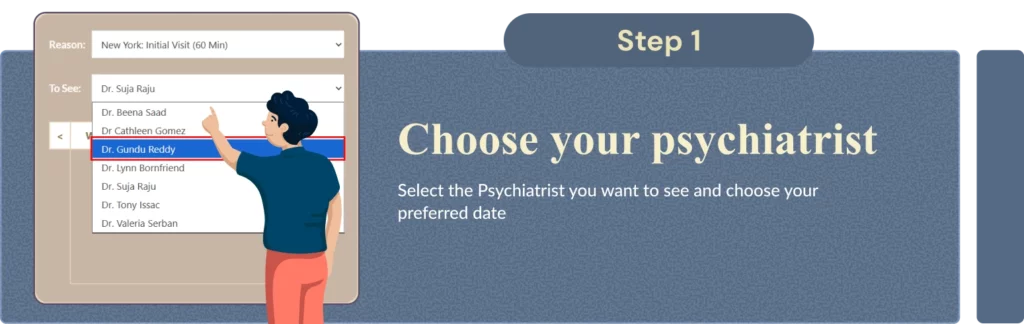
Book Your Appointment in 5 Easy Steps
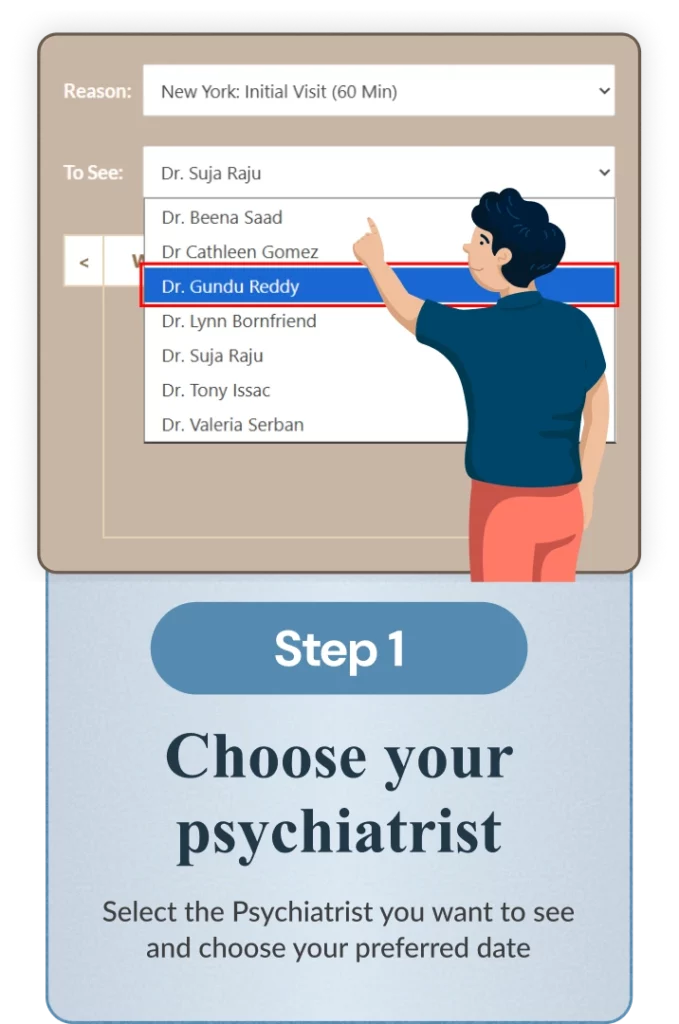
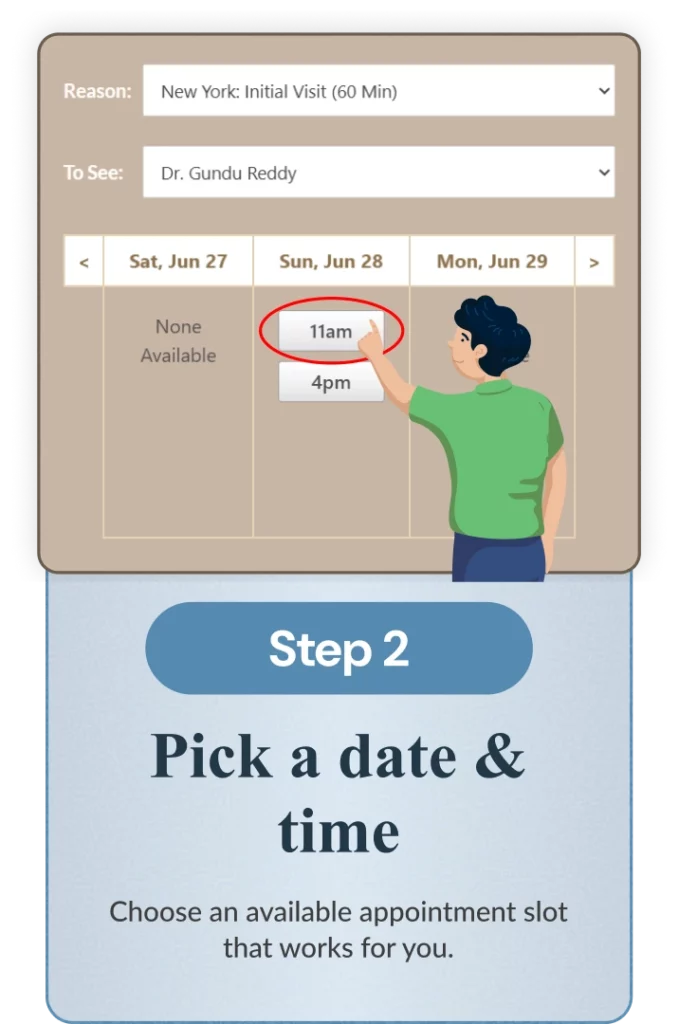
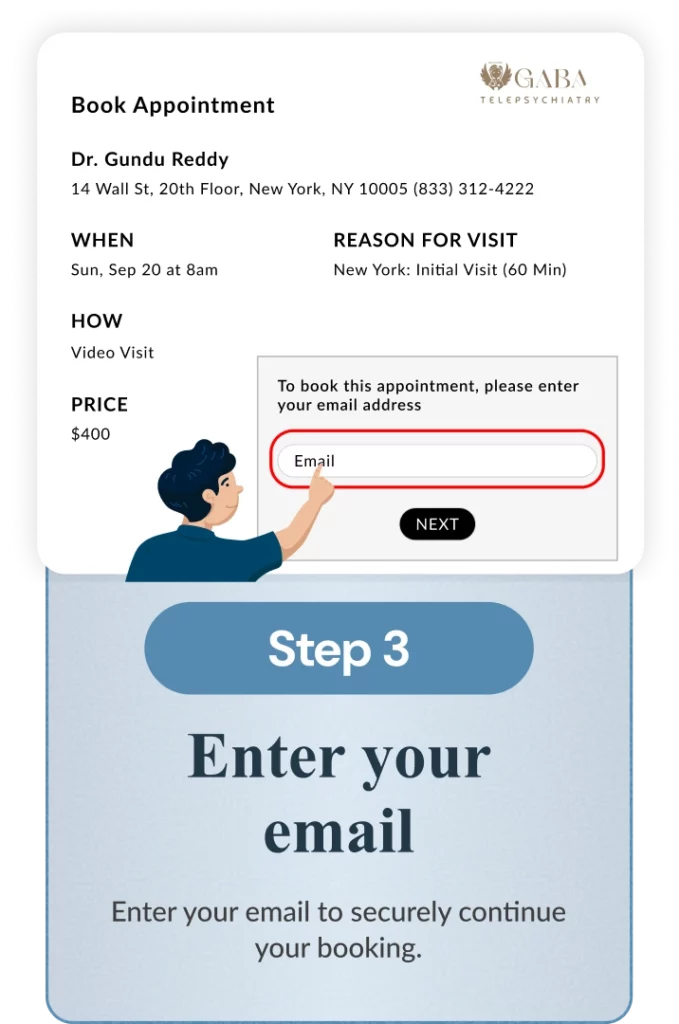
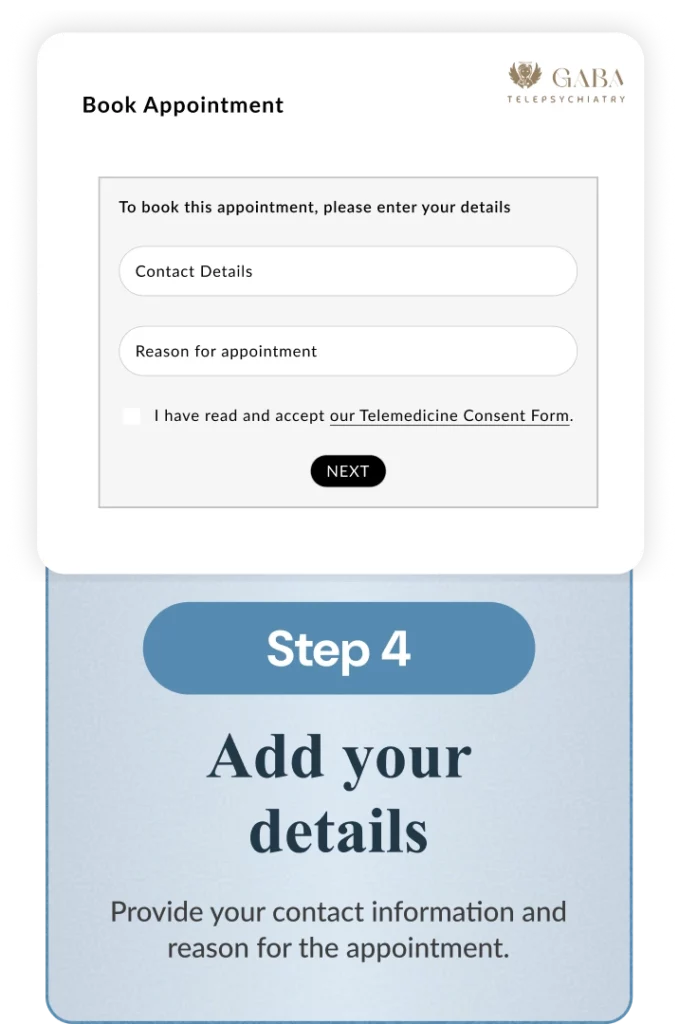





| State | Dr. Beena Saad | Dr. Tony Issac | Dr. Valeria Serban | Dr. Lynn Alison Bornfriend | Dr. Cathleen Gomez | Dr. Gundu Reddy | Dr. Suja Raju |
|---|---|---|---|---|---|---|---|
| California | Yes | – | Yes | Yes | – | Yes | – |
| Illinois | – | – | Yes | Yes | – | Yes | – |
| Florida | – | – | – | – | Yes | Yes | – |
| New Jersey | – | Yes | Yes | Yes | – | Yes | – |
| New York | Yes | Yes | Yes | – | Yes | Yes | Yes |
| South Carolina | – | – | Yes | Yes | – | Yes | Yes |
| North Carolina | Yes | – | – | Yes | – | Yes | Yes |
| Tennessee | – | – | – | Yes | – | Yes | Yes |
If you need help scheduling or have more questions,
Please call 18333124222 and ask for a patient advocate or forensic co-ordinator.
Schedule an Appointment with our Online Psychiatrists
Mental Health Evaluation online for Court
A Mental Health Evaluation can be completed online. However the evaluator must follow the same professional standards and follow the same protocols , as if seeing the patient.
So, it is important for the evaluator to take their time, consider everything carefully, and make sure you feel comfortable, not judged, and that all your questions are answered.
Online screenings or evaluations are a quick and easy way to check if you have symptoms of a mental health condition.
In some cases, your attorney may be involved in coordinating the evaluation and ensuring all required documentation is submitted to the court. It is often recommended to have your attorney review the referral and final report to ensure it aligns with the legal requirements of your case.
Before the evaluation, you’ll need to sign consent forms. This allows access to your medical history, symptoms, medication details, and other related information. It also allows doctors to discuss your mental health and treatment with your family if needed.
What is the difference between Mental Health Evaluation for Court and Mental Health Evaluation for Court Online?
Mental Health Evaluation
for Court


This is an in-person assessment where a mental health professional meets with the individual to conduct the evaluation. It usually includes interviews, psychological tests, and collecting relevant case information, like research on the individual’s history of mental health. Clinicians use these methods to gain a comprehensive understanding of the person’s psychological state. The findings are then written in a detailed report and submitted to the court. This method allows for direct interaction and observation.
Mental Health Evaluation
for Court Online


This evaluation is done through digital platforms. It might include online consultation, questionnaires, virtual interviews via video calls, and electronic submission of documents. This approach is more flexible, allowing the evaluation to be conducted remotely, which is helpful if the parties are in different locations or if meeting in person isn’t possible. The results are also compiled into a report for the court. Forensic psychiatry plays a key role in ensuring these remote evaluations meet legal standards and maintain the same level of clinical integrity as in-person assessments.


Online Mental Health Evaluation for Court
Online Mental Health Evaluation for Court
An online mental health evaluation for court is a psychological check-up done over the internet, often needed for legal cases. It’s used in situations like custody battles, criminal cases, DHS cases, or to assess someone’s ability to stand trial. The process usually includes standard psychological tests, interviews, and using online health platforms to get a full picture of the individual’s mental health.
An online mental health evaluation for court is a psychological check-up done over the internet, often needed for legal cases. It’s used in situations like custody battles, criminal cases, DHS cases, or to assess someone’s ability to stand trial. The process usually includes standard psychological tests, interviews, and using online health platforms to get a full picture of the individual’s mental health.

During a court ordered mental health evaluation online, the psychiatrist will ensure they provide an accurate diagnosis by understanding the causes of the symptoms, which may include stress, medical issues, or other factors.
Before undergoing a court ordered mental health evaluation online, an individual is asked to sign consent forms. This gives the evaluator access to their medical history, symptoms, and medication details, and allows them to discuss the individual’s mental health with their family, if necessary. This process ensures a thorough and accurate assessment, making sure that all questions are answered and that the individual feels supported throughout court proceedings.
In today’s digital world, opting for a court ordered mental health evaluation online is convenient and still upholds professional standards, making it a useful option in legal cases for individuals involved. Defense attorneys often rely on these evaluations to support legal arguments or provide context for their clients’ behavior in court, especially in personal injury or trauma-related claims. The psychiatrist conducting the evaluation must have specialized training in forensic mental health to ensure the report meets legal standards.
During this evaluation, an online psychiatrist will:
- Make sure they give the correct diagnosis
- Figure out what’s causing your symptoms, like stress, medical issues, or other factors
- Understand what led up to the current situation
- Create a suitable treatment plan
- Prescribe the right medication
- Work with you and answer any questions
- Avoid mistakes and misunderstandings
If the evaluation is done poorly, it can lead to misunderstandings, incorrect diagnoses, ineffective treatment, and poor results.
So, it is important for the evaluator to take their time, consider everything carefully, and make sure you feel comfortable, not judged, and that all your questions are answered.
Online screenings or evaluations are a quick and easy way to check if you have symptoms of a mental health condition.
In some cases, your attorney may be involved in coordinating the evaluation and ensuring all required documentation is submitted to the court. It is often recommended to have your attorney review the referral and final report to ensure it aligns with the legal requirements of your case.
Before the evaluation, you’ll need to sign consent forms.
This allows access to your medical history, symptoms, medication details, and other related information. It also allows doctors to discuss your mental health and treatment with your family if needed.


Mental Health Evaluation for Child Custody
A court ordered mental health evaluation online for child custody is a thorough check to see how parents or guardians are doing emotionally and psychologically in a custody case. It looks at each parent’s mental health, their ability to care for their child, their parenting abilities, and whether they can provide a stable and supportive environment for the child.
The evaluation usually includes talking with the parents, giving psychological tests, and watching how parents and children interact. The mental health professional looks at things like how stressed the parents are, how they handle stress, and any mental health issues that could affect their parenting, especially how these impact the child’s relationship with each parent. The main goal is to make sure custody decisions are made with the child’s best interests in mind, ensuring their well-being and providing a safe and supportive environment.
The evaluator may also assess whether the other parent poses any risks or provides more stability for the child. They consider any claims made by one parent against the other parent against the opposing party, especially related to abuse, neglect, or instability. The evaluator may also review educational records to better understand the child’s functioning and developmental needs in the context of each parent’s involvement. Mental health professionals involved in these assessments are expected to have specialized training in child development, family dynamics, and forensic evaluation techniques.
When looking at mental health issues in child custody cases, a forensic mental health evaluation focuses on ensuring the child’s welfare and identifying the best living arrangements for their future. The main goal is to make sure custody decisions are made with the best interests of the child in mind, ensuring their well-being and providing a safe and supportive environment.


Online Mental Health Evaluation for Parole
A court ordered mental health evaluation online for parole is key to deciding if someone is ready to leave prison. This check looks at the individual’s mental health to make sure releasing them won’t be harmful to themselves or others. It usually involves reviewing their mental health history, including diagnoses, past treatments, and current symptoms. Evaluators often use interviews, psychological tests, and risk assessment tools to gather important information.
In the evaluation process, mental health experts consider several things: the individual’s mental state, how well they follow their treatment plans, and how well they manage their symptoms. They also look at how well the person understands their own condition and their ability to control themselves. They review any history of violence or substance abuse, as these can affect the risk assessment.
The evaluation might also include talking to family members or other important people who can provide useful information about the individual’s behavior and stability in this particular case, as well as other circumstances that might affect their ability to safely re-enter society. These factors are especially important for the court process, where the evaluator’s report directly influences decisions regarding parole and supports efforts to ensure fair treatment throughout the justice system. A strong foundation of clinical knowledge is essential in interpreting these factors accurately and responsibly.
The forensic mental health evaluation aims to create a detailed and fair report for the parole board. This report will look at how likely the individual is to reoffend, how ready they are to reintegrate into society, and what ongoing help they might need. The results of this evaluation help the parole board decide if the person can be released, ensuring there are measures to support their transition and keep the public safe. These evaluations must also align with applicable law to ensure the rights of both the individual and society are upheld.


Mental Health Evaluation for Probation
A forensic mental health evaluation for probation is a thorough check to see someone’s mental health, figure out if they have any issues, and decide if they’re a good fit for probation. This usually includes talking in detail with a mental health professional, taking psychological tests, and looking at their personal history, such as past mental health problems, substance use, and social factors.
The evaluation begins with a clinical interview where the probationer is asked about their mental health history, current symptoms, and any psychiatric treatment they’ve had. The goal is to understand their emotional and psychological state and to identify any mental disorders that could affect their behavior and ability to follow probation rules.
Psychological tests might be given to measure the probationer’s thinking skills, emotional well-being, and personality traits. These tests help identify mental health issues like mood disorders, anxiety, or personality disorders.The results are used to suggest appropriate treatment or support services needed during the probation period. This evaluation helps the court make informed decisions about probation terms and ensures the individual gets the right support services.
In addition to interviews and psychological tests, the qualified evaluator will look at the individual’s social and environmental factors, like their family background, social support, job situation, and living conditions. These factors are important because they can affect how well someone can follow probation rules and stay mentally healthy in the context of civil legal proceedings and ethical issues.
The final report will include a diagnosis if needed and recommendations for treatment. It might suggest specific conditions for probation, like required counseling or psychiatric care, and offer strategies to help the individual’s mental health while they are on probation. This evaluation helps the court make informed decisions about probation terms and ensures the individual gets the right support services.


Mental Health Defense
For Criminal Court
A forensic mental health evaluation for criminal defense is an important part of legal proceedings, especially if the defendant’s mental condition could affect their actions or guilt. This evaluation usually involves a detailed check by a qualified expert, like a forensic psychologist or psychiatrist, who assesses the defendant’s mental health, thinking abilities, and emotional state.
The main goal of this evaluation is to find out if the defendant had a mental illness or disorder that might have affected their actions when the crime happened. This means checking if the defendant knew what they were doing, could tell right from wrong, and was able to control their actions. The results can help the court decide if the defendant is fit to stand trial, responsible for the criminal act, and what kind of sentence or treatment they should get, especially in federal criminal cases where sentencing guidelines, relevant factors and legal standards may be more complex.
These evaluations may also assist legal counsel in preparing an appropriate defense strategy based on the findings. In many cases, the evaluator’s input can significantly influence outcomes within the broader criminal justice system and determine issues of criminal responsibility. One major use of these evaluations is in cases involving the insanity defense, where the goal is to assess the individual’s mental state at the time of the alleged criminal act and determine their legal accountability. In certain cases, these evaluations may be conducted within state hospitals, where secure environments allow for extended observation and assessment.
The evaluation process usually includes a thorough look at the defendant’s mental health history, such as past diagnoses, treatments, and any related psychological records, and results in comprehensive evaluations that explain the defendant’s mental state. The evaluator might also interview the defendant, give psychological tests, and collect information from family, friends, or other relevant sources. The report from the evaluator explains the defendant’s mental state and how it could affect their legal case, and suggests suitable legal and treatment services. In the broader litigation process, this mental health assessment ensures that mental health concerns are thoroughly considered.
In the end, a mental health evaluation in criminal defense is really important for making sure justice is done fairly and that defendants get the right care and attention for their mental health needs. One major use of these evaluations is in cases involving the insanity defense, where the goal is to assess the individual’s mental state at the time of the alleged crime and determine their legal accountability.


Mental Health Evaluation for Fitness to Stand Trial
A mental health evaluation for fitness to stand trial is an important part of the legal system. It checks if someone is mentally fit to take part in their trial. This means seeing if the individual understands the charges, follows what happens in court, and can help their lawyer with their defense.
The process usually starts with a thorough evaluation by a mental health expert, like a forensic psychologist or psychiatrist. This involves talking in detail with the individual, looking at their mental health history, and giving them different psychological tests. The expert checks the person’s thinking skills, emotions, and any signs of mental disorders that might affect their ability to take part in the trial.
This is often referred to as assessing trial competency. These are commonly referred to as competency evaluations and are critical to protecting the defendant’s legal rights. This type of evaluation is a core component of forensic psychiatry, which addresses the intersection of mental health and legal standards, and requires strict adherence to professional ethics. It is often guided by established case law, which informs how competency should be assessed and interpreted by courts. Forensic psychiatrists must have specialized training to perform these evaluations accurately and ethically. These evaluations may be especially important in adult court settings, where legal consequences can be severe.
Key parts of the evaluation involve checking if the defendant understands the charges against them and what might happen in court. The evaluator also looks at whether the defendant can talk clearly with their lawyer, make smart choices about their case, and grasp how things work in the courtroom. These factors are essential in evaluating the individual’s capacity for legal decision making and mental capacity. Forensic psychiatry professionals are trained to make such determinations with objectivity and legal relevance.
The evaluation results are shared with the court in a report, which suggests whether the defendant is fit to go to trial. If the defendant is found unfit, the court might order treatment or other steps to help them become competent again. This process makes sure that people in legal cases can fully take part in their defense, keeping the legal system fair and protecting the defendant’s rights in light of the alleged offense.


Competency Evaluation for Guardianship
A mental health evaluation for guardianship is a detailed check-up to see if someone is fit to take on the role of a guardian. This is important in legal cases where it needs to be decided if a individual can properly care for a child or an adult who can’t care for themselves. The evaluation looks at the person’s mental and emotional health to make sure they can provide good care and make smart decisions for the individual they would be responsible for.
The evaluation usually starts with a thorough interview of the individual who wants to become a guardian. During this interview, they discuss their personal history, mental health, and what they know about the duties of being a guardian. This helps check if they can handle stress, solve problems, and stay emotionally stable. The evaluator might also get information from family, friends, and professionals who know the individual, to get a complete picture of their mental health and if they’re fit for the role.
Psychological examination is usually done to assess the future guardian’s thinking skills, personality, and mental health. These tests can reveal any hidden mental health issues or cognitive problems that might affect their ability to be a good guardian. The results are looked at in relation to how the guardian manages their daily life and decision-making competency, and other relevant factors , including testamentary capacity. Competency evaluations in guardianship cases help the court decide if the individual is mentally equipped to make responsible decisions.
After the testing and interviews have been completed, the evaluator writes a detailed report that sums up their findings and suggestions. This report is important for the court because it gives an expert witness’ opinion on whether the individual can handle the duties of guardianship. This forensic psychiatry mental health evaluation helps to make sure that the individual needing guardianship gets the best care by appointing someone who is mentally and emotionally ready to provide the right support, as expected in court systems across jurisdictions. Appropriate intervention strategies may also be suggested by the forensic psychiatrist to provide insight into the individual’s long-term suitability and needs.


Mental Health Evaluation for Professional Licensing
A forensic mental health evaluation for professional licensing checks if someone is mentally fit and suitable for a specific job. It looks at their mental health history, current state, and any risks that might affect their ability to do the job well and ethically.
The evaluation starts by looking closely at the applicant’s personal and medical history, including any past mental health issues or treatments. This background helps the evaluators understand the individual’s history and what might affect their current mental state. They might also conduct structured interviews to check the applicant’s emotional health, thinking abilities, and how they handle stress.
Along with interviews, standardized psychological tests might be used to check different areas of mental health, such as personality, emotional stability, and thinking skills. These tests give clear, objective information that adds to the personal insights from interviews and history. The results help assess if the individual can manage the demands and responsibilities of their job. In some cases, a court ordered psychiatric evaluation may be required if concerns about professional behavior or mental stability arise during the licensing process. Evaluations conducted in the context of forensic psychiatry provide an added layer of legal insight for such licensing determinations, ensuring that ethical and professional standards of practice are upheld.
The main aim of a mental health assessment is to check if an individual has the psychological strength and stability needed for their job. Evaluators look to see if the individual’s mental health could pose risks to themselves, their clients, or their work environment. Based on what they find, they might suggest whether the person is fit for a license and if they need any special support or accommodations.
This includes assessing emotional stability and job-related competency. Competency evaluations ensure that professionals meet the mental and emotional standards required for high-stress roles. The evaluator may also include treatment recommendations based on the results of the evaluation to ensure long-term stability. These treatment recommendations are often essential when licensing boards request follow-up care or monitoring.
Here are examples of jobs that may require a mental health evaluation:
- Law Enforcement Officers
- Firefighters and Emergency Medical Technicians (EMTs)
- Military Personnel
- Pilots
- Healthcare Professionals
- Judges and Attorneys
- Childcare Providers
- Security Personnel


Mental Health Evaluation for Civil Litigation
Mental health evaluations in civil court cases help determine an individual’s psychological state and how it affects legal issues. These evaluations are usually needed in cases like personal injury, family disputes, disability claims, or any legal matter where mental health is important. They may also play a vital role in determining outcomes related to legal proceedings that hinges on psychological functioning. In fact, personal injury litigation often relies on these evaluations to establish the psychological impact of the incident in question.
The forensic mental health evaluation starts with a thorough assessment by a qualified mental health professional like a psychologist or psychiatrist. This usually involves a detailed interview where they ask about the person’s mental health history, current symptoms, and how these affect their daily life. They might also use standard tests to assess cognitive abilities, emotions, and personality traits to get a better understanding of the person’s mental health. Professionals involved in these civil evaluations are expected to maintain objectivity and apply established psychological principles to ensure the results are fair and reliable.
In civil evaluations and lawsuits, the results of a mental health evaluation can affect different parts of the case. For example, in personal injury cases, the evaluation might show how mental health issues are connected to the injuries claimed. In family law cases, like custody battles, the evaluator’s input can help judge if a parent is fit to care for the child and how the situation might affect the child. In disability claims, the evaluation can determine if a person’s mental health condition qualifies them for disability benefits. A thorough analysis of the individual’s mental competency is critical to this process. Court ordered evaluations may be particularly necessary in these situations to ensure the court receives unbiased and standardized findings that account for the mental state of all parties involved.
The results of a mental health evaluation are usually given in a written report. This report summarizes the findings, gives a diagnosis, and suggests any needed treatments or adjustments. This report can be very important in court, helping judges and juries understand the psychological aspects of the case through an expert assessment. It’s crucial that the evaluation is done fairly and follows a clear method to make sure it’s reliable and trustworthy in legal matters and contributes to achieving justice.


Mental Health Evaluation for Disability
A mental health evaluation for disability is a detailed assessment used to decide if someone qualifies for disability benefits due to their mental health condition. It starts with a thorough interview where the evaluator collects information about the person’s mental health history, current symptoms, and how these affect their daily life. The evaluator looks into the person’s emotions, thinking skills, and behavior to see how their mental health impacts their ability to handle daily tasks and activities. Before beginning the evaluation, the individual is typically required to provide informed consent, ensuring they understand the purpose of the assessment and how the results may be used.
The evaluation may also include standardized tests to measure thinking, emotions, cognitive functioning, and personality traits. These tests help gauge the severity of the mental health issues and their impact on daily functioning. The results, along with clinical observations and the person’s own descriptions of their experiences, provide a complete picture of their mental health.
Besides tests and interviews, the evaluator might review medical records and get feedback from other healthcare providers, family, or caregivers. This comprehensive approach helps understand how the mental health condition affects the person’s work and daily responsibilities. Factors considered include the ability to focus, stick to a routine, interact with others, and handle stress. In some cases, findings from these evaluations may also be relevant for competency hearings, especially if there are questions about the individual’s capacity to manage responsibilities or legal affairs. This is especially important when the evaluation is part of a forensic psychiatry assessment tied to legal or administrative proceedings.
In some situations, an online mental health evaluation for court may be used to collect information in a more convenient way. The final evaluation report will explain the severity of the condition, the limitations it causes, and how it affects the person’s ability to perform work-related tasks. This information is crucial for deciding if the person meets the criteria for disability benefits. By understanding the severity and limitations, the report helps agencies determine what kind of services the person may need. Court ordered evaluations may also be necessary in cases where a formal determination is required for legal or administrative purposes. The evaluator must ensure informed consent is obtained again if the results are to be shared with third parties, such as courts or administrative agencies.


Mental Health Evaluation for Restraining Order
A mental health evaluation for a restraining order is an important part of the legal process to understand someone’s mental well-being and behavior. A licensed mental health professional, like a psychologist or psychiatrist, conducts this evaluation. The goal is to find out if the person asking for the restraining order or the person being restrained might be a threat to themselves or others.
The process usually starts with an interview where the mental health professional collects information about the person’s background, current mental state, and why the restraining order is needed. This interview looks at their mental health history, family situation, and any recent problems. This step is part of a comprehensive assessment designed to evaluate both risk and capacity for self-regulation.
After the interview, the evaluator might use psychological tests to get a clearer picture of the person’s mental health. These tests help diagnose issues like depression or anxiety that could affect their behavior. They also consider any history of legal problems. These assessments are a common type of court ordered evaluations used to ensure legal protection based on psychological risk.
Finally, the evaluator writes a detailed report with their findings. This report includes the person’s current mental state, the chance of future risk, and any treatment recommendations. The court uses this information, which may be gathered through an online mental health evaluation for court, to decide if a restraining order is needed and appropriate. Effective report writing in this context ensures that the evaluator’s professional conclusions are clearly conveyed and legally sound.


Who can Conduct a Mental Health Evaluation for Court?
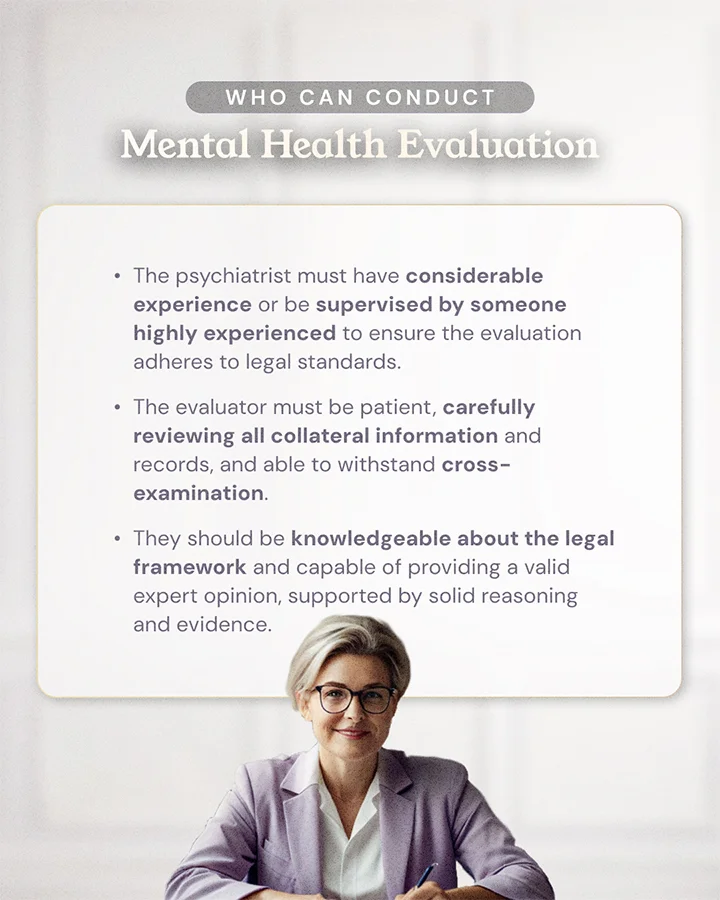
A mental health evaluation for court should be conducted by a Board-Certified Psychiatrist with extensive medical training, including medical school and residency, and holding an active medical license.
This type of evaluation differs from a standard clinical assessment and requires meticulous attention to detail. The psychiatrist must have considerable experience or be supervised by someone highly experienced to ensure the evaluation adheres to legal standards. This is especially true in custody cases, where the evaluator’s judgment can have a lasting impact on a child’s future. Court ordered evaluations in such cases demand careful consideration of both psychological assessments and legal implications. This is a specialized area within forensic psychiatry, where evaluators must combine clinical insight with a strong understanding of legal standards.
In the case of an online mental health evaluation for court, the evaluator must be patient, carefully reviewing all collateral information and records, and able to withstand cross-examination. Additionally, they should be knowledgeable about the legal framework and capable of providing a valid expert opinion, supported by solid reasoning and evidence.
While any state license is generally accepted, it is advisable to consult your attorney if the psychiatrist is practicing out of state.
I am an attorney in Missoula, MT. I had the pleasure of working with Dr. Reddy in a divorce action. She was thorough and prompt. I would highly recommend her as a huge advocate for your client in common.
convenient for me. They sent their extremely thorough assessment to the necessary people in Maryland, and it resulted with me being reunified with my children. They were all very professional, compassionate, accommodating and competent. I would highly recommend Dr Reddy and her staff to anyone in need of such professionals
highlight definitive facts which supported my claims, thus returning me to the job and my passion. Without her, it would not have been possible! I know this as a fact because I have a friend who was in the same situation, who used another service provider that could not convince the agency based upon his claims and was permanently grounded. I highly recommend and will continue to utilize Dr. Reddy!!!!!!!
Where to go for Court Ordered Mental Health Evaluation?
When looking for a court ordered mental health evaluation online, it’s important to consider a few key things to ensure the assessment is trustworthy.
- Make sure the provider is a Board- Certified Psychiatrist with experience in forensic psychology or psychiatry, as their professional testimony is important for court cases and related services. Court ordered assessments must be handled by experts who understand both psychological standards and legal implications. Child custody evaluations are one example where this level of expertise is critical.
- The evaluation should be thorough, covering all necessary psychological, cognitive, and emotional areas.
- The provider should also give clear and unbiased reports suitable for court and offer any follow-up services if required.
- Confidentiality and adherence to legal and ethical standards are a must for such services, especially when the results may directly affect legal action.


Who pays for Court Ordered Mental Health Evaluation?
The cost of an online mental health evaluation for court is usually paid by the person being evaluated or the one who requested it. However, sometimes the court may require others involved in the case to help cover the cost, especially if the evaluation is important for resolving legal issues like child custody or criminal cases. If the person being evaluated can’t afford it, the court might arrange for a lower fee or use public funds. Who pays can differ based on the location, the details of the case, and the financial situation of those involved. In such cases, court ordered evaluations may be funded through special programs or sliding scale services.


Financing Partners
Dealing with legal issues is already demanding enough to handle, and when it is further complicated by financial issues, it feels extremely exhausting. Many people are trying to maintain the balance between the emotional strain of the evaluation and cover the cost of care and legal proceedings.
At Gaba Telepsychiatry, we have partners who help in providing financial solutions, to help people with fair credit to cover the cost of the evaluations.
If you think that financing your evaluations will make this process better and easier, please reach out to our client advocate, who can help you analyse the options present and answer any questions you have.
A person with bad credit due to legal fees but a good payment history, may still be eligible for financing and payment plans, but the rates would be typically higher. In some cases we have in house payment plans, but not if there are court dealings.



A Mental Health Evaluation for Court needs to be carried out with Conscientiousness, Care and Integrity .


When so much is at stake, it is important to find the right evaluator. Psychiatrists at Gaba Telepsychiatry: