
OCD
Book an appointment with the Best Online Psychiatrist. Receive quality treatment through medication management and therapy for OCD and Treatment Resistant OCD.

OCD is a common and sometimes debilitating condition where the sufferer is plagued with unwanted intrusive thoughts, obsessions and sometimes compulsions.
At GABA Telepsychiatry, Board-Certified Psychiatrists are passionate about working with patients to find effective treatments for Obsessive Compulsive Disorder (OCD). We also help patients with ‘treatment-resistant OCD’ who have suffered treatment failure in other locations.
We offer an integrative approach and treat OCD through multiple modalities, including:
- Medication for OCD treatment
- Therapy including CBT, exposure therapy and psychodynamic psychotherapy
- Supplements for treatment of OCD
- Hormone therapy for treatment of OCD



Dr Bornfriend is very kind and compassionate. She is sensitive to what’s happening in your life and offers very solid advice to…Read More
work with whatever is going on. She’s there for You!
Dr. Raju is absolutely amazing. Finally a doctor that listens to what I’m saying. She truly cares about her patients. It’s difficult for me to connect with a doctor. Dr. Raju has…Read More
such a kind, warm and caring nature. It makes it so much easier to freely communicate with her. I’m so grateful I was referred to her.
Types of OCD intrusive thoughts
Violent Intrusive Thoughts
Harm OCD, a subtype of OCD, involves violent intrusive thoughts and fears of harming oneself or others, leading to anxiety and compulsive behaviors. Violent intrusive thoughts are a common symptom of OCD, but these thoughts do not reflect the person’s character or morals.
Sexual Intrusive Thoughts
Sexual OCD involves distressing sexual thoughts about animals, objects, or relatives, causing anxiety and shame. Unlike fantasies, these thoughts lead to fears like becoming a pedophile or being violent during sex. Intrusive sexual thoughts are a common OCD symptom which often respond to medication.
Intrusive Thoughts About Health
Health Anxiety OCD involves obsessive thoughts about developing serious illnesses, leading to constant worry that takes over one’s life. These irrational thoughts drive compulsive behaviors in an attempt to alleviate the anxiety.
Intrusive Thoughts About Germs
Contamination OCD involves obsessive fears of germs and contamination, prompting individuals to seek reassurance from a psychiatrist. These thoughts cause significant distress and interfere with daily life.
Intrusive Thoughts About Dying
OCD death obsessions, or Thanatophobia, cause intense fear of death, leading to constant worry that disrupts daily life. Diagnosis requires six months of symptoms, with treatment through therapy and medication.
Intrusive Thoughts About Wrongdoing
False Memory OCD involves distressing doubts about having done something wrong, making it hard to distinguish reality from imagination. This can lead to confusion, anxiety, and fear of punishment or arrest.
“OCD is like a prison, and my thoughts are the bars.” – Unknown
Treatment for OCD
Intrusive thoughts, obsessions, and compulsions are treatable. The best treatments for OCD include thorough evaluation and formulating an individualized plan for the patient. Psychiatrists at GABA Telepsychiatry offer in-person and online OCD treatment.
What is OCD?
OCD is a common but chronic and long-lasting disorder in which the individual has recurring and unwanted thoughts (obsessions). Sometimes these thoughts can be of a distressing nature. They include:
- Recurrent sexual thoughts which are unwanted and do not cause arousal.
- Recurrent violent thoughts, although the sufferer has no intention of violence.
- Recurrent thoughts about death or that something bad will happen.
Some individuals with OCD feel the urge or are driven to do something repeatedly (compulsions) in order to free themselves from those thoughts. These repetitive behaviors such as washing hands or continuously checking on things, can greatly interfere with day-to-day activities. This mental health condition involves intrusive, obsessive, and distressing thoughts.
The behavior of those suffering from obsessive-compulsive disorder is often rigid, and thoughts are intrusive and persistent. The inability to conduct these behaviors can cause enormous distress, related to a certain fear of the grave outcome if the behavior is not accomplished.
Even though many individuals with OCD are aware that their thoughts are unrealistic, they are unable to disengage or stop the obsessive thoughts and compulsive actions, respectively.
OCD can cause problems with work, relationships, and self-esteem. OCD sufferers often feel disabled, and their day is taken up managing their OCD symptoms.
What is an Obsession?
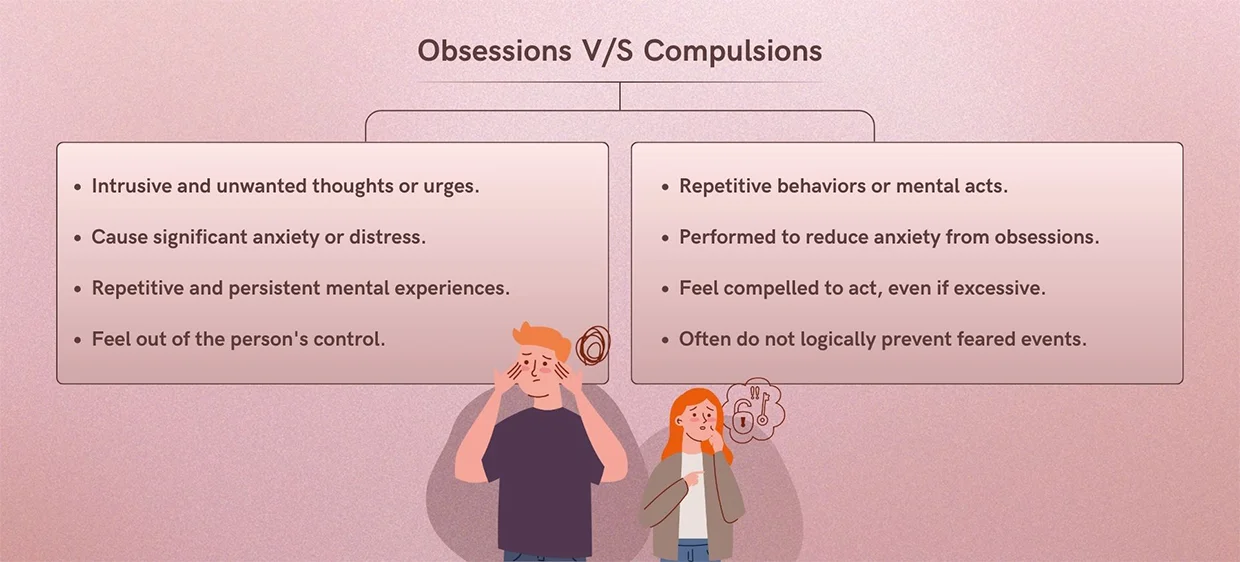
According to the Diagnostic and Statistical Manual of Mental Disorders, version 5 (DSM-5), obsession is the “recurrent and persistent thoughts, urges, or images that are experienced, at some time during the disturbance, as intrusive and unwanted, and that in most individuals cause marked anxiety or distress.”


What is Compulsion?
Compulsions are repetitive behaviors (physical or mental actions) performed because the individual feels compelled to do so to come out of the anxiety caused by these obsessions. According to the DSM-5, compulsions are repetitive behaviors or mental acts driven by obsessions or rigid rules, aimed at reducing distress or preventing dreaded events, but are often excessive or not realistically connected to their purpose.
What is an Intrusive Thought?
Intrusive thoughts are unwanted and involuntary ideas that can cause significant anxiety and distress. They often involve disturbing images or fears, such as harming oneself or others, and are usually contrary to a person’s values. While many people experience these thoughts occasionally, they can become a persistent issue for those with obsessive-compulsive disorder (OCD) or anxiety disorders.

Obsessions and compulsions can consume so much of a person’s time that they can get in the way of leading a normal life. Obsessive Compulsive Disorder or OCD can cause obstruction in day-to-day activities and can negatively impact one’s family, education, social life, and career. Seeing an OCD Psychiatrist is essential in such cases.
For those with OCD, intrusive thoughts may lead to compulsive behaviors as a way to cope with the anxiety they produce. This cycle can disrupt daily life and lead to avoidance of certain situations.
It is essential to recognize that experiencing intrusive thoughts does not reflect a person’s true character; rather, they are a symptom of underlying anxiety. Therapeutic approaches like cognitive-behavioral therapy (CBT) administered by an OCD psychiatrist can help people manage these thoughts and reduce their impact.
Do Most People with OCD Have Obsessions and Compulsions?
People suffering from OCD exhibit symptoms of obsessions, compulsions, or both. These symptoms can cause great hindrances and affect all aspects of life, whether it be academics, career, personal, or social life.
OCD with obsessions but without compulsions:-
100 percent of people with OCD have obsessions or intrusive thoughts that cause distress. Most people with OCD do not have compulsions or ritualistic behavior.
OCD with obsessions and compulsions:-
A small percentage of individuals with OCD have compulsions or rituals that they need to follow in order to relieve themselves of anxiety—completing the compulsions temporarily relieves anxiety, then the intrusive thoughts return, and the cycle repeats itself.
Although OCD with compulsions is less common than OCD without compulsions, it is more well-known.

OCD Psychiatrist
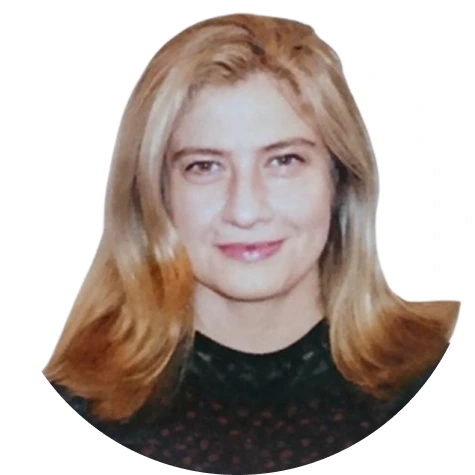
Dr. Valeria Serban
Board Certified Psychiatrist
with Multiple State Licenses MBBS (MD)

Dr. Valeria Serban is a board-certified neuropsychiatrist with 20 years of professional experience and a keen passion for treating mental health illnesses using modalities such as therapy and medication management.
She’s an expert in diagnosing and treating most mental health conditions with extensive experience with conditions such as anxiety, bipolar disorder, depression, dementia, obsessive compulsive disorder (OCD), mood disorder, panic disorder, postpartum depression, and psychosis, among others. She is an excellent OCD psychiatrist.
Dr. Serban has worked extensively in general adult psychiatry and geriatric psychiatry. She treats psychiatric illnesses associated with neurological conditions such as migraine, epilepsy, concussion, stroke, Parkinson’s, multiple sclerosis, sleep disorders such as narcolepsy, and other neurological conditions.
Dr. Serban has a kind and compassionate approach to patient care. She utilizes a combination of medication management and psychotherapy to help treat various types of psychiatric illness and age-related cognitive decline.
Dr. Serban is well-known for her warm and friendly personality and provides patients with a safe and comfortable environment for easy recovery and symptom management. She constantly researches different treatment options and works with her patients and their families to find the one that best suits their requirements.
Dr. Serban is multilingual and speaks fluently in six languages: English, Romanian, Italian, French, Spanish, and German.
Medical School
University of Medicine and Pharmacy “Carol Davila” Bucharest, Romania
Neurology Residency Training
University of Medicine and Pharmacy “Carol Davila” Bucharest, Romania
Master of Philosophy (M.Ph.) – Neuroscience
NYS Institute for Basic Research, New York
Internal Medicine Residency
Temple University Hospital, Pennsylvania
Neurology Residency
Temple University Hospital, Pennsylvania
Doctor of Philosophy (Ph.D.) – Neuroscience
NYS Institute for Basic Research, City University of New York – Graduate Center
Clinical Neurophysiology Fellowship
Massachusetts General Hospital – Harvard Medical School, Massachusetts
Board Certification
American Board of Psychiatry and Neurology (ABPN)
Electromyography – American Association of Neuromuscular and Electrodiagnostic Medicine (AANEM)
Neuromuscular Medicine – American Board of Psychiatry and Neurology (ABPN)
Recertification – American Board of Psychiatry and Neurology (ABPN)

Dr. Tony Issac
Board Certified Psychiatrist in New York & New Jersey (MD)

Dr. Tony Issac is an experienced double Board Certified Psychiatrist with a keen interest in evaluating and treating mental health illnesses such as insomnia, panic attacks, depression, anxiety, OCD, bipolar disorder and schizophrenia.
Dr. Issac specializes in addiction recovery treatments and medication management and uses a combination of psychotherapy and sensitive medication titration to help his patients achieve a collaborative treatment plan. Using both medication and non-medication techniques, Dr. Issac focuses on recovery and healing, thereby improving the overall mental health of his patients and helping them live a fuller and happier life.
Dr. Issac is popular among his patients for being very kind, respectful, empathetic, articulate, patient, and always willing to listen. He conducts suicide assessments and acute stabilization, which includes working with the family and employer to provide the required care and support.
Medical School
St. George’s University: School of Medicine
Psychiatry Residency Training
Richmond University Medical Center: affiliate of Mount Sinai Health Network
Bachelors of Science (B.S.) in Psychobiology
Binghamton University – State University of New York
Board Certification
American Board of Preventative Medicine – Addiction Medicine, Board Certification
American Board of Psychiatry & Neurology – Psychiatry, Board Certification

Dr. Gundu Reddy
Board Certified Psychiatrist
with Multiple State Licenses MBBS (MD)

Dr. Gundu Reddy is a Board Certified Psychiatrist with over fifteen years of experience practicing clinical psychiatry experience. She also has ten years of experience practicing forensic psychiatry. Dr. Reddy has trained in medication management, psychodynamic psychotherapy, and cognitive behavioral therapy.
Dr. Reddy is interested in integrative psychiatry and believes multiple factors should be considered when evaluating and treating a patient. This, as per Dr. Reddy at includes genetic and developmental factors, medical illness, nutrition, hormones, and environmental and dynamic factors.
Dr. Reddy believes that it is extremely critical to understand psychodynamic conflict and the causes of symptoms while prescribing medication, family, or relationship therapy, understanding psychodynamic conflict and causes of symptoms as will help enhance the quality of care. Apart from psychodynamic training Dr Reddy also has a background in integrative psychiatry and treatment resistance.
Medical School
The United Medical Dental Schools of Guys Kings and St Thomas’ at King’s College London
Psychiatry Residency Training
Mount Sinai School of Medicine, New York
Psychodynamic Psychotherapy Training
NYU Psychoanalytic Institute
Board Certification
American Board of Psychiatry Neurology
Dr. Beena Saad
Triple Board Certified Psychiatrist
with Multiple State Licenses (MD)

Dr. Beena Saad is a triple-board-certified child and adolescent psychiatrist holding fellowships in child psychosomatic medicine and child and adolescent psychiatry, making her one of the best online psychiatrists for children and adolescents.
With extensive expertise in child and adolescent mental health, Dr. Saad is dedicated to providing comprehensive online psychiatric care for young patients. She specializes in diagnosing and treating a wide range of psychiatric disorders in children and teens, including:
- Anxiety disorders (Generalized Anxiety, OCD, Health Anxiety, Panic Disorders)
- Attention-Deficit/Hyperactivity Disorder (ADHD)
- Autism Spectrum Disorder (ASD)
- Mood disorders, including Childhood Bipolar Disorder and Depression
- PANDAS and Obsessive-Compulsive Disorder (OCD)
- Post-Traumatic Stress Disorder (PTSD)
- Tic Disorders
- Childhood Schizophrenia
- Sleep Disorders
- Learning Disabilities
- Substance Use Disorders
- Psychiatric symptoms related to chronic pain and long-term illnesses
Dr. Saad understands the unique emotional and developmental needs of children and adolescents. She believes in empowering young patients and their families through a personalized and collaborative treatment approach. She carefully assesses environmental influences, family dynamics, and developmental history to create tailored treatment plans for each child.
Her expertise in psychopharmacology allows her to provide safe and effective medication management when necessary.
Additionally, she is skilled in various evidence-based therapies, including:
- Cognitive Behavioral Therapy (CBT)
- Psychodynamic Psychotherapy
- Supportive Psychotherapy
- Childhood Therapy
- Family and Parent Counseling
As one of the best online psychiatrists for children and adolescents, Dr. Saad offers convenient and accessible telepsychiatry services that allow families to receive expert mental health care from the comfort of their homes. Her compassionate and patient-centered approach ensures that children receive the support they need to thrive socially, emotionally, and academically.
Languages Dr. Saad speaks: English, Urdu, Hindi and Sindhi
Medical Education
M.B.B.S. – Sind Medical College, Pakistan
Postgraduate Training
Child Psychiatry Fellowship – University of New Mexico
Child Psychosomatic Medicine Fellowship – Albert Einstein School of Medicine
Registered State Licenses –
- NY – 284008-01
- CA – A 145498

Dr. Cathleen Jane Gomez
Integrative Psychiatrist
with Multiple State Licenses (MD)

Dr. Cathleen Jane Gomez is an integrative psychiatrist with extensive experience in diverse mental health settings. As a leader in holistic psychiatry, she specializes in medication management, transcranial magnetic stimulation (TMS), and integrative approaches to treating mental health conditions.
Dr. Gomez’s expertise in integrative psychiatry allows her to blend traditional psychiatric treatments with innovative, evidence-based therapies.
She takes a whole-person approach to mental health, addressing biological, psychological, and environmental factors that contribute to mental well-being. Her focus is on understanding the root causes of psychiatric conditions and designing personalized treatment plans that cater to each patient’s unique needs.
Her areas of expertise include:
- Anxiety and Panic Disorders
- Depression and Mood Disorders
- Obsessive-Compulsive Disorder (OCD)
- Bipolar Disorder
- Post-Traumatic Stress Disorder (PTSD)
- Insomnia and Sleep Disorders
- Attention Deficit Hyperactivity Disorder (ADHD)
- Treatment-Resistant Psychiatric Conditions
Dr. Gomez incorporates a combination of psychotherapy, medication management, nutritional psychiatry, and lifestyle modifications into her treatment approach. She believes in empowering her patients by addressing hormonal imbalances, nutrition, gut health and mind-body connections to enhance overall well-being.
As one of the best online integrative psychiatrists, Dr. Gomez provides accessible and convenient telepsychiatry services, allowing patients to receive expert mental health care from the comfort of their homes. Whether treating treatment-resistant conditions or guiding patients through medication-free alternatives, she is committed to delivering compassionate, personalized, and effective psychiatric care tailored to each individual’s journey toward healing.
Medical School
Ross University School of Medicine, Dominica
Psychiatry Residency Training
Richmond University Medical Center, Staten Island, New York
Integrative Psychiatry Training
Integrative Psychiatry Institute, Boulder, Colorado
Registered State Licenses –
Florida State Medical License- ME143967
New York State Medical License – 300954-01
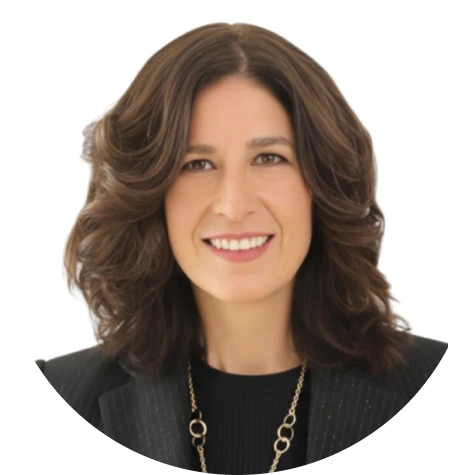
Dr. Lynn Alison Bornfriend
Board Certified Psychiatrist
with Multiple State Licenses (MD)

Dr Bornfriend is a triple board-certified psychiatrist with 30+ years of experience trained first with four years in adult psychiatry before completing child psychiatry and now she treats both children and adults across Illinois, South Carolina, California, Pennsylvania, Tennessee, New Jersey and Hawaii.
She is passionate about supporting patients dealing with a variety of disorders, including:
- Generalized Anxiety Disorder, separation anxiety, social anxiety disorder, phobias, panic disorder
- Mood Disorders, disruptive mood dysregulation disorder, major depressive disorder, premenstrual dysphoric disorder, bipolar affective disorder and cyclothymia
- OCD, body dysmorphic disorder, trichotillomania, excoriation
- Autism Spectrum Disorder
Reactive Attachment Disorder, adoption-related issues - PTSD, acute stress disorder, adjustment disorder, prolonged grief disorder
- Oppositional Defiant
- Disorder, intermittent explosive disorder, conduct disorder
- Eating Disorders, Sleep Disorders
- Gender Dysphoria
- Substance Dependence and Abuse
- Psychiatric Disorders Secondary to Medical Illness
Dr Bornfriend considers all symptoms presented through the lens of the individual patient’s developmental stage, while also evaluating the impact of family dynamics, environment, academic experience, and developmental/genetic variants. She understands the shift in the importance of autonomy and self-determination as the child grows towards adulthood, assisting the patient and his/her family with active empathic listening and respectful communication.
She has worked with children and adolescents as well as their families, their schools, and the court systems in a variety of modalities from evaluation and diagnosis, medication management, and individual and family therapies, from a supportive, insight-oriented, and CBT/DBT and other modalities.
Dr Bornfriend’s patients have appreciated her varied experiences and training throughout her career. They appreciate her creativity, her warmth, her humor, her intellectual curiosity, and her ability to connect with a wide variety of patients, despite varied backgrounds and levels of psychological mindedness. She has formed long-term, long-lasting relationships with patients, which have hada dramatic impact on their current life experiences as well as their futures.
Medical School:
Pennsylvania State College of Medicine–Hershey, PA
Psychiatric Residency Program:
Timberlawn Psychiatric Hospital–Dallas, TX
Child and Adolescent Psychiatry Fellowship:
Timberlawn Psychiatric Hospital–Dallas, TX
Board Certifications (American Board of Psychiatry and Neurology):
Psychiatry; Child and Adolescent Psychiatry; Forensic Psychiatry
Currently licensed in IL, NC, SC, CA, PA, TN, NJ and HI.
Registered State Licenses –
- SC – 92041
- NC – 2026-00712
- HI – MD-21936
- PA – MD047115L
- IL – 336.11763
- IL – 036.154690
- CA – 176663
- TN – 75724
- NJ – 25MA05806200

Dr. Suja Raju
Board certified Psychiatrist (MD)

Dr. Raju is a board-certified psychiatrist with more than nine years of clinical experience, certified by the American Board of Psychiatry and Neurology. She specializes in the comprehensive treatment of a wide range of psychiatric conditions, including depression, anxiety disorders, bipolar disorder, obsessive–compulsive disorder (OCD), attention-deficit/hyperactivity disorder (ADHD), post-traumatic stress disorder (PTSD), and schizophrenia.
With a strong commitment to delivering personalized, patient-centered care, Dr. Raju provides expertise in medication management, evidence-based psychotherapy, and thoughtful, sensitive medication titration. She has particular clinical interest and passion in women’s mental health and trauma-related disorders, striving to support and empower her patients through every stage of their healing journey.
Medical School
Universal College of Medical Sciences, Nepal
Psychiatry Residency Program
Mount Sinai School of Medicine Elmhurst
Program, New York
Board Certification
American Board of Psychiatry and Neurology
Adult Psychiatry
Language spoken
English and Malayalam
Schedule an Appointment with one of our Online Psychiatrists
Clinical Services: California, Florida, Illinois, New Jersey, New York, South Carolina, Tennessee

Forensic Psychiatry Services: All of the US and Canada
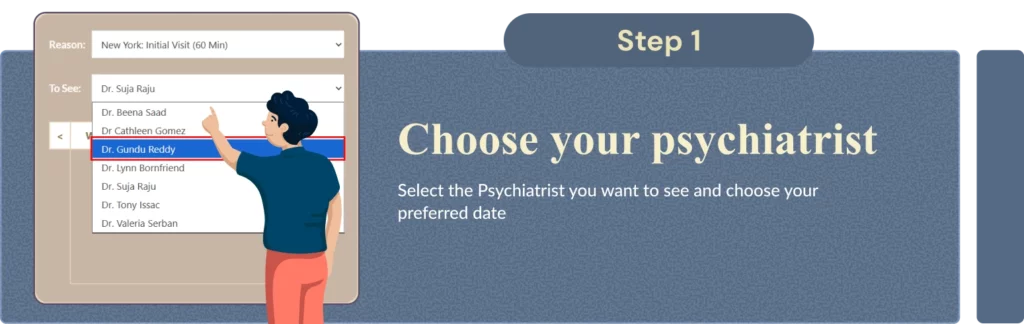
Book Your Appointment in 5 Easy Steps









| State | Dr. Beena Saad | Dr. Tony Issac | Dr. Valeria Serban | Dr. Lynn Alison Bornfriend | Dr. Cathleen Gomez | Dr. Gundu Reddy | Dr. Suja Raju |
|---|---|---|---|---|---|---|---|
| California | Yes | – | Yes | Yes | – | Yes | – |
| Illinois | – | – | Yes | Yes | – | Yes | – |
| Florida | – | – | – | – | Yes | Yes | – |
| New Jersey | – | Yes | Yes | Yes | – | Yes | – |
| New York | Yes | Yes | Yes | – | Yes | Yes | Yes |
| South Carolina | – | – | Yes | Yes | – | Yes | Yes |
| North Carolina | Yes | – | – | Yes | – | Yes | Yes |
| Tennessee | – | – | – | Yes | – | Yes | Yes |
If you need help scheduling or have more questions,
Please call 18333124222 and ask for a patient advocate or forensic co-ordinator.
OCD Symptoms
Obsessive-Compulsive Disorder (OCD) manifests through a variety of symptoms, affecting individuals in physical, cognitive, emotional, and behavioral ways.
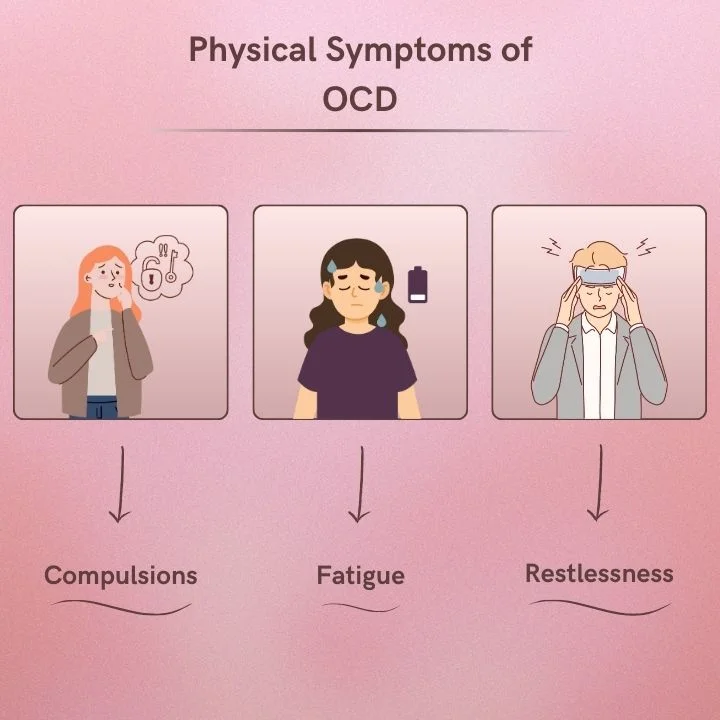
Physical Symptoms of OCD
- Compulsions: Repetitive physical actions like washing hands, checking locks, or rearranging objects. These actions are performed to alleviate anxiety caused by obsessions.
- Restlessness: Physical agitation or discomfort due to the urge to perform compulsive behaviors.
- Fatigue: Physical exhaustion from the mental and emotional toll of dealing with obsessions and compulsions.

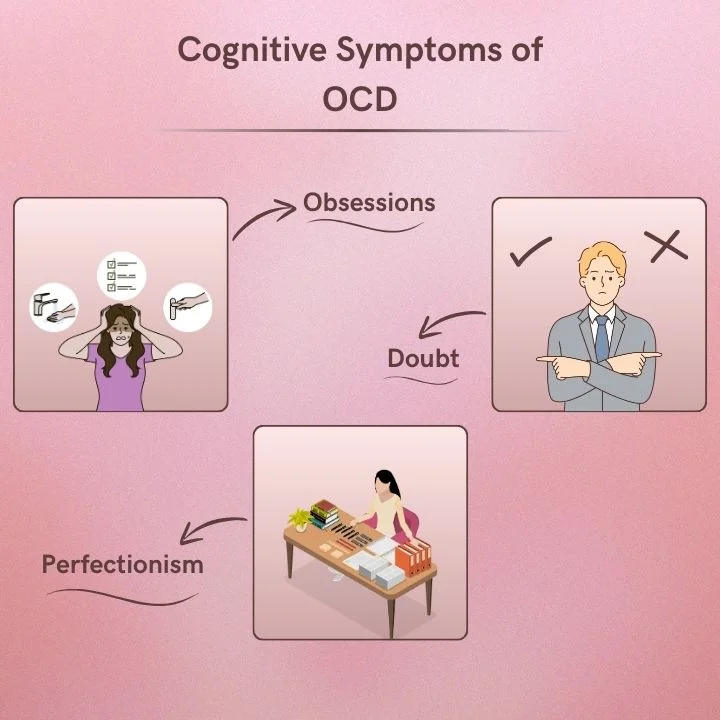
Cognitive Symptoms of OCD
- Obsessions: Persistent, intrusive thoughts, images, or impulses that cause distress. These may include fears of contamination, harm, or unwanted sexual thoughts.
- Perfectionism: An overwhelming need for things to be perfect or done in a specific way.
- Doubt: Constant questioning or uncertainty about one’s thoughts, actions, or surroundings.
Cognitive symptoms of OCD can severely affect attention and concentration and can be confused with OCD. This can affect academic performance and workplace productivity.
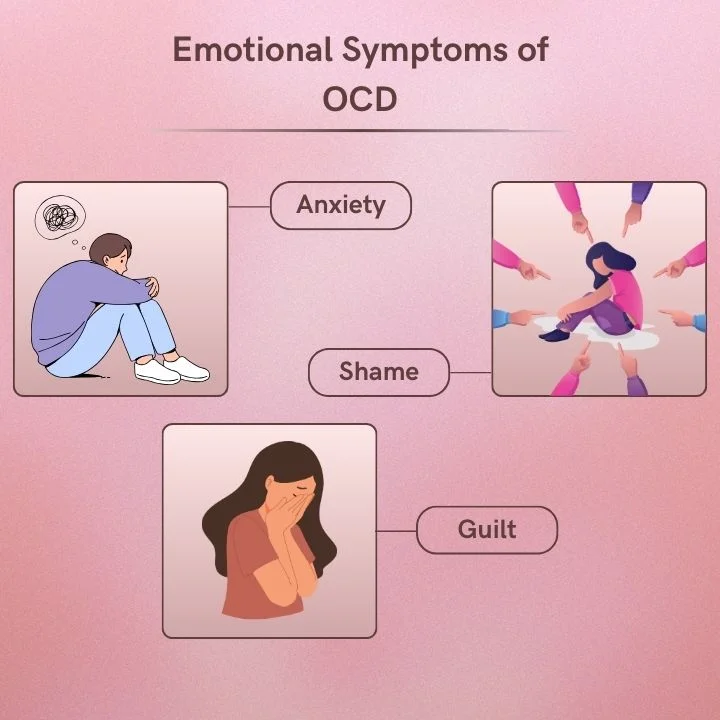
Emotional Symptoms of OCD
- Anxiety is a common symptom of OCD: Intense feelings of worry or fear related to obsessive thoughts or the need to perform compulsions.
- OCD guilt symptoms: These include feelings of responsibility for potential harm or inappropriate thoughts, even when irrational.
- Shame is a common symptom of OCD: Embarrassment or self-consciousness about having OCD symptoms.
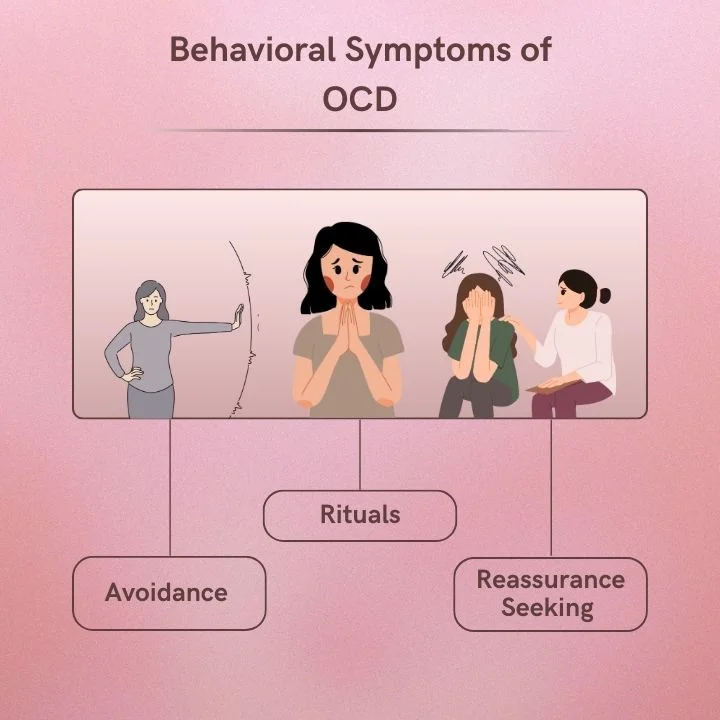
Behavioral Symptoms of OCD
- OCD avoidance symptoms: Steering clear of situations, places, or objects that might trigger obsessions.
- OCD Reassurance Seeking symptoms: Frequently asking others for confirmation or comfort to alleviate doubts or fears.
- Rituals are common symptoms of OCD: Engaging in specific routines or behaviors to prevent perceived negative outcomes.
Types of OCD
Obsessive Compulsive Disorder manifests in various forms, each characterized by different obsessions and compulsions.
Some common types include:
What Causes OCD?
OCD arises from a mix of genetic, neurological, and environmental factors. Genetically, it often runs in families, suggesting a hereditary link. Neurologically, differences in brain structure and function contribute to the disorder.
Environmental influences also play a role, with stressful life events often triggering or worsening symptoms. Understanding these causes is key to managing OCD effectively.
Genetics:
OCD often runs in families, suggesting a genetic predisposition. If you have a close relative with OCD, your risk of developing the condition increases.
Brain Chemistry:
Imbalances in neurotransmitters like serotonin are linked to OCD. Abnormalities in brain circuits, particularly in the orbitofrontal cortex and the caudate nucleus, also contribute.
Stress:
Stressful life events, trauma, or chronic stress can trigger or exacerbate OCD symptoms, especially in those predisposed to the disorder.
Cognitive Factors:
Certain cognitive patterns, like an intense need for certainty, can lead to obsessive thoughts, making OCD symptoms more pronounced.
Behavioral Factors:
OCD behaviors are often learned responses. Compulsions develop as a way to alleviate anxiety from obsessive thoughts, reinforcing the OCD cycle.
Infections:
In some cases, particularly in children, infections like streptococcal can trigger OCD-like symptoms, highlighting the role of the immune system in the disorder.


Is OCD an Anxiety Disorder?
Obsessive-Compulsive Disorder (OCD) is classified as an anxiety disorder due to its core features of persistent, intrusive thoughts (obsessions) and repetitive behaviors or mental acts (compulsions) performed to alleviate the anxiety caused by these thoughts. The disorder involves significant anxiety and distress, which drives individuals to engage in compulsions in an attempt to reduce their fears or prevent a feared event.
Despite this classification, OCD is unique in its specific symptom profile and is sometimes distinguished from other anxiety disorders due to its distinct features, such as the presence of compulsive rituals and a strong focus on particular themes or fears.


OCD Diagnostic Criteria
To diagnose Obsessive-Compulsive Disorder (OCD), the following criteria must be met according to the DSM-5 (Diagnostic and Statistical Manual of Mental Disorders, Fifth Edition):
Obsessions:
Recurrent, intrusive thoughts, urges, or images that cause anxiety or distress.
Compulsions:
Repetitive behaviors or mental acts done to reduce anxiety, often not logically connected to the feared event.
Time Consumption:
Obsessions and compulsions take up significant time (e.g., over an hour per day) or impact daily life.
Distress and Impairment:
These symptoms cause notable distress or impair daily functioning.
Not Attributable to Substance or Medical Condition:
Symptoms aren’t due to substance use or a medical condition.
Not Better Explained by Another Mental Disorder:
Symptoms aren’t better explained by another mental disorder like anxiety or body dysmorphic disorder.


OCD Treatment
There are multiple modalities of OCD treatment, ranging from psychiatric medication to hypnotherapy. While most individuals report remission of symptoms with medication, at least a third of sufferers present with treatment resistant OCD, which means they continue to suffer from OCD symptoms despite taking medication for OCD.
Medication:
Medication is usually the only treatment that can achieve complete resolution of OCD symptoms. However, medication is not the only treatment for OCD. Often a holistic approach works better than medication alone. Approximately two-thirds of OCD sufferers report remission of symptoms with serotonin reuptake inhibitors and other medications which work on the serotonin system.
Therapy as a treatment for OCD
Cognitive Behavioral Therapy (CBT):
CBT is a type of therapy that helps individuals cope with problematic thoughts, emotions, and behaviors. The specific type of CBT used in OCD treatment is called Exposure and Response Prevention (ERP). ERP therapy for OCD involves gradually exposing the person to the source of their anxiety (the obsession) and helping them learn to resist the urge to perform their compulsive behavior.
Mindfulness and Acceptance-Based Therapies:
Techniques that focus on increasing awareness and acceptance of thoughts and feelings, rather than trying to control them, can also be helpful. These might include Acceptance and Commitment Therapy (ACT).
Support Groups:
Apart from consulting an OCD psychiatrist, joining a support group where individuals share similar experiences can provide encouragement and reduce feelings of isolation.
Lifestyle Changes:
Incorporating stress management techniques, such as regular exercise, a healthy diet, and adequate sleep, can support overall mental health and improve treatment outcomes.
Education and Self-Help:
Learning about OCD treatment can empower individuals to manage their condition more effectively. Books, online resources, and self-help strategies can complement professional treatment.
Family Therapy:
Involving family members in therapy for OCD can help them understand the condition better and learn how to support their loved ones. OCD patients should consult an OCD psychiatrist in-person or online to find out if they need family therapy.


Supplements for OCD Treatment


Many people with OCD symptoms are turning to supplements as a complementary treatment. Studies show that some nutritional and herbal supplements may be effective in OCD treatment.
Supplements that have been found effective for OCD treatment are:
Magnesium:
Magnesium is an essential mineral that is important to include in the diet. It is known for its calming effects on the nervous system. Magnesium deficiency can also contribute to OCD symptoms. Therefore, magnesium supplements can reduce stress and promote relaxation in patients having anxiety and OCD symptoms. Magnesium can also be considered a supportive supplement when combined with CBT for OCD, enhancing overall outcomes for OCD treatment.
Inositol:
Inositol is also known as Myoinositol (MI), an isomer of glucose. It is known for its therapeutic effects and is used in the treatment of psychiatric disorders. Studies show that it can influence serotonin levels and help regulate mood. Therefore, inositol can help in alleviating the symptoms by managing the neurotransmitter function.
Acetylcysteine:
Acetylcysteine is a better source of cysteine than parenteral cysteine as it is less toxic, more resistant to oxidation, and more soluble in water. It also helps in maintaining glutamate levels in the brain. Studies show that Cysteine can cross the blood-brain barrier. In such cases, acetylcysteine can inhibit synaptic glutamate release by cysteine-glutamate exchange and may contribute to OCD treatment. Therefore, acetylcysteine can help patients as it can reduce oxidative stress and inflammation.
Vitamin D:
Vitamin D is also known as sunshine vitamin. It is essential for the development and proper functioning of the brain. It plays key roles in nervous system processes such as neurotransmission, neuroprotection, proliferation, and differentiation. Studies show that vitamin D deficiency may play a crucial role in OCD treatment by causing the deterioration of neuroprotection.
Vitamin B12:
Vitamin B12 is also known as Cobalamin. It plays an important role in carbon transfer metabolism that maintains the methylation of proteins and neurotransmitters such as serotonin. Thus, neurotransmitter levels can decrease due to a deficiency of vitamin B12 resulting in OCD symptoms.
Folic Acid:
Vitamin B9 is also known as Folic acid. It plays an important role in carbon transfer metabolism that maintains the neural membrane phospholipids and neurotransmitters such as serotonin and other monoamines. Therefore, folic acid supplements can help accelerate OCD treatment.
Medication for OCD Treatment
Medication is the most effective form of treatment for Obsessive-Compulsive Disorder (OCD). This is the only treatment that can make thoughts and compulsions go away. Medication becomes even more powerful when combined with psychotherapy.
Here are the main types of medications used in OCD treatment:
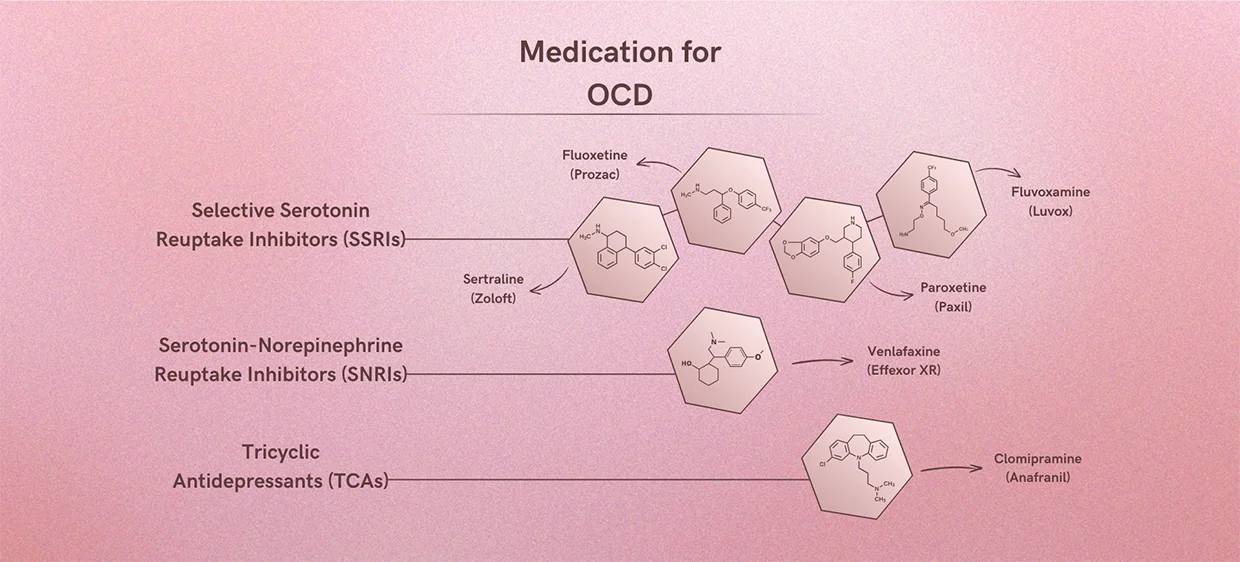
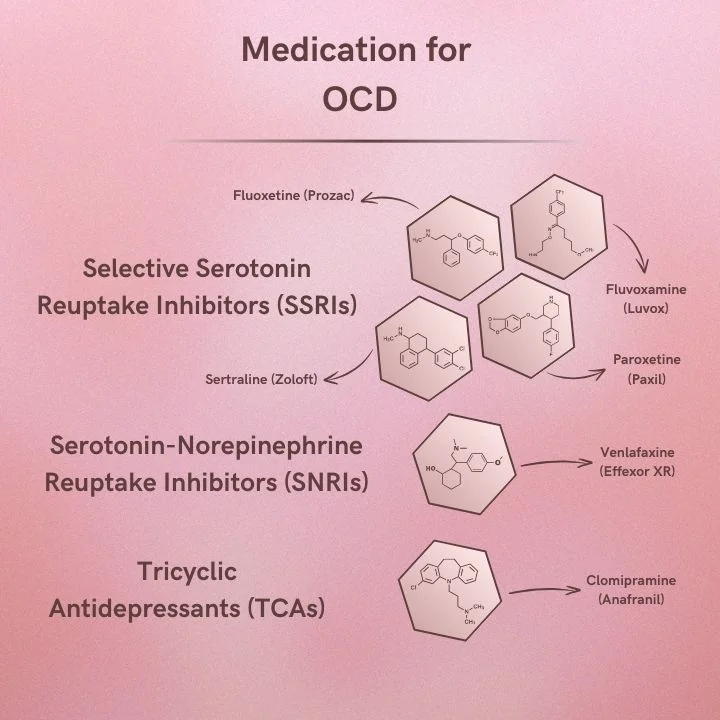
Selective Serotonin Reuptake Inhibitors (SSRIs):
SSRIs are the most commonly prescribed class of medications for OCD treatment. They work by increasing serotonin levels in the brain, which can help reduce the severity of obsessions and compulsions.
Serotonin-Norepinephrine Reuptake Inhibitors (SNRIs):
SNRIs can also be effective in OCD treatment. They work by increasing both serotonin and norepinephrine levels.
Tricyclic Antidepressants (TCAs):
While not typically first-line treatments, TCAs can be prescribed if SSRIs or SNRIs are not effective. They work by affecting several neurotransmitters in the brain.
Serotonin Modulators
Anion Salts:
Anion salts can modulate anxiety and, in some cases, prevent suicidal impulses in patients with OCD.
Glutamate Receptor Modulators
Dopamine Reuptake Inhibitors
are useful for treatment-resistant OCD. They are more commonly used in OCD treatment. They can also offset weight gain associated with other OCD medications.
Dopamine Receptor Partial Agonists
Dopamine Receptor Blockers
Mood Stabilizers
It is important to reach out to an experienced and licensed OCD psychiatrist to receive medication prescriptions for the treatment of OCD.
Therapy for OCD Treatment
Here at GABA Telepsychiatry, our Online OCD Psychiatrists offer a wide range of OCD treatments, including therapy for OCD, nutrition, hormone evaluation, and medication. Our OCD psychiatrists are committed to helping you find the right OCD treatment and support you through the recovery process.

Cognitive Behavioral Therapy for OCD
Cognitive behavioral therapy (CBT for OCD) is a primary therapy for OCD treatment, focusing on changing dysfunctional thought patterns and behaviors. A key component of CBT for OCD, exposure and response prevention (ERP), involves gradually exposing individuals to their fears while helping them resist compulsive rituals. By challenging irrational beliefs, CBT aims to reduce anxiety and empower individuals to regain control over their lives.

Exposure Therapy for OCD
Exposure therapy, particularly exposure and response prevention (ERP), is a crucial part of CBT for OCD. This technique gradually exposes individuals to anxiety-triggering situations while teaching them to resist compulsive behaviors. By confronting their fears, individuals can learn to tolerate anxiety and reduce the influence of obsessive thoughts, leading to improved management of OCD symptoms.

Acceptance and Commitment Therapy for OCD
Acceptance and Commitment Therapy (ACT) encourages individuals to accept their thoughts and feelings instead of trying to control them. For those with OCD, ACT promotes psychological flexibility by helping them accept intrusive thoughts while committing to actions aligned with their values. This approach, alongside CBT for OCD, empowers individuals to engage in meaningful activities despite their anxiety, providing an effective framework for therapy for OCD.
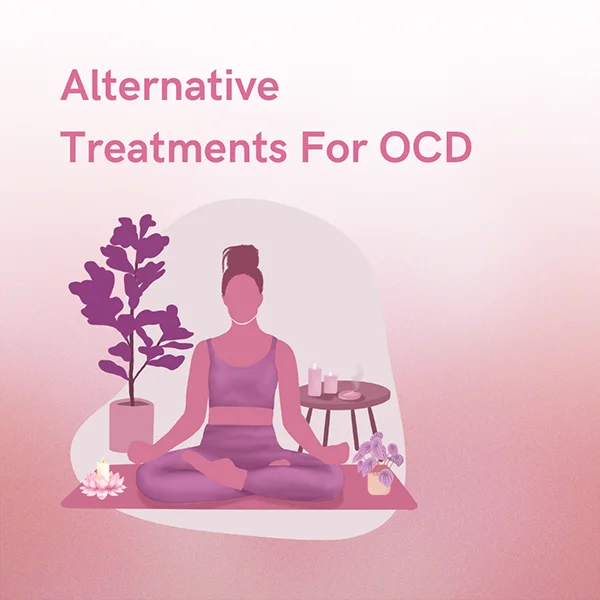
Alternative OCD Treatment
1. Yoga for OCD
Yoga is an ancient science that has helped manage several psychiatric conditions, including OCD. A regular yoga routine can be integrated into an OCD treatment strategy to improve the quality of life. Being an amalgamation of physical exercise, stretching, movement, and mindfulness, yoga reduces the symptoms of intrusive thoughts and improves cognitive functioning.
2. Meditation for OCD
Different meditative practices, such as mindfulness meditation and vedic meditation, can bring a person’s attention to the present moment. Meditation can strengthen the effects of other forms of OCD treatment. Including meditation in the treatment plan can be effective as it promotes relaxation, well-being, and positive thoughts.
3. Hypnosis for OCD
Hypnosis is a process in which patients learn how to activate their relaxation response when OCD triggers anxiety. For instance, they may be asked to imagine themselves in their favorite place, or placing their anxiety in a balloon and letting it go. An OCD psychiatrist might guide patients through these techniques to help reduce anxiety and improve emotional regulation. Hypnosis may also involve practicing deep breathing using the diaphragm, following a calming breathing pattern.
4. Exercise for OCD
Research shows that exercise is associated with a significant reduction in OCD symptoms. Exercises that increase the demand for oxygen, such as aerobic exercises, have shown to be the most effective. Individuals with OCD can practice low-intensity workouts like walking or high-intensity activities like HIIT or running. An OCD psychiatrist may recommend specific exercise routines to help manage symptoms and improve overall mental health.
An OCD Psychiatrist may recommend you adopt alternate treatment methods for faster symptom resolution.




Online OCD treatment
Finding a local OCD specialist can be challenging. Online OCD treatment provides a solution to sufferers wanting personalized care from an OCD expert. Psychiatrists at GABA Telepsychiatry provide personalized online OCD treatment in multiple states.
Treatment Resistant OCD
What is treatment resistant OCD?
At least a third of patients with OCD have persistent symptoms despite a trial of at least two SSRIs. Persistent OCD symptoms despite a trial of at least two medications indicate treatment resistant OCD.
Research has shown that there are other receptors associated with OCD symptoms, such as glutamate and dopamine. Therefore effective OCD treatment, in many cases, involves medications which do not work on the serotonin system.
This poses a challenge, but various alternative approaches exist, including medications, supplements, and therapy.
Medications for Treatment Resistant OCD
Medications for treatment-resistant OCD are often the same as those used for regular OCD, but they may be prescribed in higher doses or combined with other treatments to be more effective. These changes should always be done carefully under the supervision of an experienced OCD psychiatrist to ensure safety and effectiveness.
- Tricyclic antidepressants used to be the gold standard for the treatment of OCD. However, their use has now been superseded by SSRIs. Many patients with treatment resistant OCD who do not respond to SSRIs have a full or partial response to tricyclics.
- Monoamine oxidase inhibitors are not used frequently due to the ‘cheese reaction.’ Patients who take monoamine oxidase inhibitors have a reduced ability to break down tyramine, so have to follow a special diet and avoid certain foods like hard cheese. However, MAOs are sometimes effective for treatment resistant OCD.
- Dopamine reuptake inhibitors can help symptoms of treatment resistant OCD and can be used as an adjunct to serotonergic agents if results are suboptimal.
- About one-third of parents with treatment resistant OCD do not respond to serotonergic agents or present with a suboptimal response. Some patients with treatment resistant obsessive-compulsive disorder report improvement and even resolution of symptoms with glutaminergic agents. This suggests there is more than one receptor associated with OCD.
- Mood stabilizers help with the anxiety symptoms associated with OCD, as well as the hyperarousal, and in many cases help sufferers participate in therapy and live a normal life.
- Second and third-generation antipsychotics target dopamine and serotonin pathways in the brain, which can help reduce OCD symptoms when SSRIs alone are not effective for OCD treatment.
Supplements for Treatment Resistant OCD
Nutritional and herbal supplements are recognized as complementary treatments for treatment resistant OCD, just as for regular OCD. Some effective supplements for the treatment of treatment resistant OCD include:
- N-acetylcysteine (NAC)
- Omega-3 Fatty Acids
- Inositol
- Saffron Extract
- Probiotics
- Magnesium
- Zinc
- L-Theanine
- 5-HTP (5-Hydroxytryptophan)
Hormone Therapy for Treatment Resistant OCD
Hormones associated with OCD include:
- Estrogen
- Progesterone
- Testosterone
Male patients
Hypogonadism and a fall in testosterone levels can cause exacerbation of symptoms in men, and it is important to check testosterone levels in individuals suffering from treatment resistant OCD.
Female patients
Female patients often report exacerbation of OCD symptoms:
- Prior to menses
- During postpartum
- During the perimenopausal period
Hormones associated with OCD in females include progesterone and estrogen. Hormone therapy for treatment resistant OCD is a delicate balance and may need collaboration with your endocrinologist.
Therapy for Treatment Resistant OCD
Therapy for treatment resistant OCD is focused on treatment of anticipatory anxiety. The goals of therapy are to:
- alleviate feelings of guilt and shame
- help individuals understand the thoughts to be separate from themselves
- help individuals manage their thoughts and reduce the anxiety that leads to compulsive behaviors
This type of therapy can require more time and a personalized approach to be effective. Ultimately, the goal is self-acceptance and to alleviate the distress associated with the thoughts.
One important part of therapy is teaching individuals to accept their intrusive thoughts rather than trying to fight or avoid them. Approaches like Acceptance and Commitment Therapy (ACT) focus on helping patients acknowledge these thoughts without letting them take control. This can reduce anticipatory anxiety, which is the fear of future distress, and help break the cycle of compulsions.
In some cases, psychodynamic psychotherapy can be helpful for treatment resistant OCD. This type of therapy looks at unresolved emotions or past experiences that may be contributing to obsessive-compulsive behaviors.
The psychodynamic theory of OCD suggests that the individual replaces unacceptable thoughts, for example, related to childhood trauma, or unacceptable desires, with less distressing thoughts. By addressing repressed internal conflict, the frequency and intensity of OCD symptoms should be somewhat alleviated.
Therapists also work with patients to manage the anxiety that builds up before compulsions. Simple techniques like mindfulness and relaxation exercises can help individuals stay calm and present, reducing the need to act on compulsions.
Group therapy or support groups can also be helpful for OCD treatment. Connecting with others who face similar challenges can provide a sense of understanding and shared support. Patients often learn coping skills from the experiences of others in these groups.
Dr. Reddy sincerely cared for her patients and will give you her full attention. She spends more time beyond the scheduled hours just to…Read More
make sure her patients are being attended well.
Probably in my top 3 favorite Doctors! She was super friendly, prompt, and we shared our experiences, her recommendations were…Read More
amazing. Just an overall great experience. Thank you so much, Dr. Lynn!
Is OCD neurodivergent ?
OCD typically does not come into the category of neurodivergent.
However individuals with autism diagnosis, tic disorder and ADHD all present with higher rate of OCD .
Likewise presentation can be more severe as neurodivergent individuals present with higher rates of anxiety.
OCD is treatable . Once OCD is effectively treated other conditions associated with neurodivergence such as:
- Anxiety
- Depression
- ADHD
- Autism related stressors are all much easier to manage . Whether or not you consider yourself neurodivergent , OCD treatment can dramatically improve your quality of life.
When an individual is suffering with OCD they find that they cannot manage anything as the intrusive thoughts take over.
The very nature of neurodivergence means that the modern day word is hard to navigate .
Untreated OCD makes the situation much harder , and can cause a total shutdown.
Is OCD a Disability?
OCD is considered a disability under legal definitions like the Americans with Disabilities Act (ADA) and by the Social Security Administration (SSA). Symptoms of OCD may take many hours each day and leave someone with feelings of mental exhaustion and emotional distress. Having a diagnosis for OCD is not enough; rather, disability depends upon how the symptoms are impeding major life activities. For example, an assessment allows the determination of eligibility for workplaces that would help understand their condition, academic adjustments, and possibly access to other forms of disability benefits.
Certain cases of OCD disabilities don’t label or underestimate the capability of an individual, but recognize them so they can access help whenever necessary. Our board-certified psychiatrist specializes in cases where symptoms have reached an extreme level. Most individuals silently suffer. With proper care, most people improve and can become independent again.
Does OCD Get Worse With Age?
OCD does not inevitably get worse with age. OCD varies from individual to individual and is influenced by treatment, stress, changes in life dynamics, and support systems. Some people have fewer symptoms with time and treatment intervention, while others may have their symptoms heightened by extreme stress, illness, or a major change in life. Aging does not cause OCD to progress; however, anxiety could be heightened due to new responsibilities or health issues when the treatment plans are followed properly.
Things that causes ocd to get worse:
- Stress
- Pregnancy
- Menstruation
- Sleeplessness
Things to do to stop OCD from getting worse:
- Get professional help early
- Regular activity
- Proper sleep
What not to say to someone with OCD?
Certain statements, even if well-intentioned, can be damaging. “Just stop thinking about it,” “Everybody worries,” or “You’re overreacting,” do not address the real distress that is driving the condition. Having OCD is not a choice. It cannot be controlled by willpower alone. Reassurance, such as the repetitive answer of “nothing bad will happen,” might be what support feels like, but it actually reinforces the patterns of the OCD in time. Avoid urging someone to confront fears without guidance and minimizing their experience. Statements that weakness is involved or exaggeration is involved increase shame and isolation. More helpful responses include sitting down, listening non-judgmentally, and acknowledging how difficult the experience is. Encouraging professional support and offering patience make a meaningful difference. Words matter. Compassion and understanding heal far more than advice or even reassurance.
Can OCD cause psychosis?
OCD and psychosis are different conditions. They have very different main characteristics. But in rare, complicated cases, they can show some overlapping symptoms. OCD is defined by describing the nature of common intrusive thoughts (obsessions) and related behaviours or rituals (compulsions) that temporarily relieve anxiety brought on by these thoughts. Psychosis is defined as a condition in which there is a break from reality; this break most commonly manifests itself through two specific symptoms:
- Hallucinations: Hearing, seeing, feeling, smelling, or tasting things that aren’t there
- Delusions: Firmly held beliefs that are not based on reality.
People with OCD usually know that their fears and habits are over the top or not right, though this causes them stress and is hard to stop. This level of awareness helps set apart OCD from mental break disorders, where a person might fully believe in their false thoughts or visions.
Though OCD does not directly precipitate psychosis, under certain conditions. In the context of severe OCD, particularly when insight is allowed to diminish, the individual begins to accept their obsessive fears as valid; this can mimic delusional reasoning.
What makes OCD worse?
Obsessive-compulsive disorder can fluctuate over time. It comes and goes, in phases where there are good days when symptoms feel relatively under control, then there are bad days when the intrusive thoughts get louder, and the need to perform compulsive behaviors becomes more urgent.
Stress is the most common trigger. Major life changes, relationship conflict, academic or work pressure, illness, or lack of sleep lead to obsessive thinking. Avoidance also plays a role. Other contributors include hormonal shifts, medical issues, or abrupt changes in medication. For some people, if there has been major trauma or long-standing emotional stress, this can lead to more intense patterns of obsession.
At GABA, our board-certified psychiatrists focus on identifying these factors by involving structured therapy, exposure and response prevention, medication management, and guidance on stress regulation and daily routines.