
Integrative Psychiatrist
Board-certified integrative psychiatrist at GABA Telepsychiatry provides online integrative psychiatry services for various psychiatric conditions.

An Integrative Psychiatrist treats mental health conditions by combining conventional psychiatric practices with holistic and integrative therapies to address the root causes and promote overall well-being.
An Integrative psychiatrist treats mental health conditions by combining conventional psychiatric practices with holistic and integrative therapies to address the root causes and promote overall well-being. (tagline)
An integrative psychiatrist prefers a person-centered approach to neuropsychiatric disorders that emphasizes a person’s physical, emotional, interpersonal, behavioral, nutritional, environmental, and spiritual dimensions to achieve well-being and improve cognitive function.
Recent studies show that mental health issues are increasing and require comprehensive and personalized care approaches to support emotional health, cognitive function, and brain health. It is estimated that in the U.S. adults nearly one in five adults is living with a mental health condition.
Some mainstream pharmacotherapeutic treatments for mental health problems often have limited effectiveness. Whereas adjunctive treatment approaches, including nutraceuticals, lifestyle, and behavior change interventions, are widely used to assist with the treatment of mental health problems. In such cases, access to quality integrative psychiatry services helps a lot.
- Integrative psychiatrists provide a comprehensive and patient-centric methodology to treat a mental health condition. This approach includes multi-dimensional aspects of an individual’s health, encompassing physical, psychological, emotional, and environmental factors.
- Integrative psychiatrists do not merely focus on symptomatic relief but also believe in promoting resilience and enhanced overall health.
- Integrative psychiatrists use a modern approach to mental health care that combines conventional psychiatric services with the principles of integrative medicine.
- Integrative psychiatrists transform the way mental health conditions are treated. Integrative psychiatry services are known to improve overall well-being and help patients live a healthier life.


Integrative Psychiatry
Integrative psychiatry is a holistic form of treatment where patients are seen as a whole instead of in parts. It focuses on treating the root causes of mental health issues rather than just managing symptoms.
Key aspects of integrative psychiatry are:
- Integrative psychiatry combines medications with holistic therapies like mindfulness and nutrition.
- Integrative psychiatry focuses on lifestyle factors like sleep and stress management.
- Integrative psychiatry emphasizes the mind-body connection.
- Integrative psychiatry provides personalized treatment plans.
- Integrative psychiatry encourages active patient involvement.
- Integrative psychiatry incorporates alternative therapies like acupuncture and herbal medicine.

I am very happy I have found a Dr Reddy , since she is really good and has help me a lot . She has listen to all of my concerns and prescribed the right medication…Read More
for me and her office goes above and beyond every time I call.
I had an excellent experience at Gaba Telepsychiatry. I believe Dr.Reddy is one of the best board-certified psychiatrists. She is caring, kind and a great listener. In addition to…Read More
this, Dr.Reddy has been extremely supportive, punctual and she made sure all of my concerns were addressed. Likewise, she did an in-depth evaluation and I am highly satisfied.
Integrative Psychiatry Services
Integrative psychiatry services incorporate evidence-based care through medications, mindfulness practices, nutritional guidance, and alternative therapies like acupuncture and strategies consistent with functional medicine approaches.. This personalized approach empowers patients to achieve long-term mental health and balance in their lives.
Integrative psychiatry may also enhance primary care for better results and treat a wide range of psychiatric disorders, such as:
Integrative psychiatrists address and treat anxiety disorders by considering biological, psychological, social, and environmental factors. They follow an integrative approach instead of simply targeting symptoms that contribute to balance in a person’s life. They use therapy and relaxation sessions to reduce the symptoms of anxiety disorder
Integrative psychiatrists approach the condition known as ADHD with a holistic view that goes beyond managing symptoms, looking into biological, psychological, and environmental input concerning problems of attention and hyperactivity. Treatment can therefore take the form of behavioral therapy, mindfulness treatments, nutritional treatments, and medication when required. It puts forward aspects of lifestyle treatment and emotional regulation that help an individual to support concentration, reduce impulsivity, and create coping mechanisms for long-term success.
Integrative psychiatrists do not focus on just one type of treatment but try to address all factors that may contribute to depression. They deliver integrative psychiatry services to combine nutritional supplements, medications, psychotherapy, and lifestyle changes for effective treatment.
An Integrative psychiatrist treats OCD by using a holistic approach that combines conventional psychiatric methods with complementary therapies. They often use cognitive-behavioral therapy to address and identify obsessive thoughts and compulsive behaviors.
Integrative psychiatrists use a comprehensive approach that combines traditional psychiatric practices with complementary therapies. They may also recommend trauma-focused therapy to help patients process and overcome past trauma.
Integrative psychiatrists address and treat sleep disorders by combining behavioral therapy, relaxation techniques, and lifestyle changes. They also recommend avoiding caffeine before bedtime, focusing on bedtime routine and medications if required. Medications are prescribed only when the condition is severe.
Integrative psychiatrists provide therapy to understand the root cause of the addiction. They may recommend some medications to manage withdrawal symptoms and suggest strategies for long-term recovery. They also provide emotional support to the patient, which helps in building coping mechanisms to prevent relapse.


Integrative Psychiatrist Near Me
Finding a qualified integrative psychiatrist near you might sound challenging, but there are several ways to go about it. As a first step, you can conduct a simple Google search. You can find an integrative psychiatrist online by just entering “Integrative Psychiatrist” and your location into a search engine, a list of relevant professionals should readily appear.
You can also take recommendations from your primary care physicians, mental health professionals, or trusted friends and family. It is important to understand your own needs and preferences while searching for an integrative psychiatrist.
Ask yourself these questions to narrow down your options.
- What type of approach or therapies are you open to?
- Do you prefer a certain gender for your psychiatrist?
It is important to find an integrative psychiatrist who is professional to guide your mental health journey, but also someone who resonates with your values, needs, and health objectives.
Remember, your health journey is important, and it is important to find an integrative psychiatrist who supports and aligns with your unique needs. Considering several points while selecting an integrative psychiatrist helps in getting a proper treatment plan and improves the outcomes.
There are some important points to remember while selecting an integrative psychiatrist:
- Board-certified:
Make sure that the psychiatrist is licensed and board-certified. - Experience:
Do background research about the psychiatrist’s training and experience in treating patients with mental illness. - Evidence-based:
Inquire about the psychiatrist’s approach to treating the medical condition. And ensure it is evidence-based. - Professional background:
Check if the psychiatrist is a member or has graduated from a professional organization. There are many, such as the ‘American Psychiatric Association (APA)’, the ‘American Academy of Child and Adolescent Psychiatry (AACAP)’, and the ‘American Board of Psychiatry and Neurology (ABPN)’.
Online Integrative Psychiatrist

Dr. Gundu Reddy
Integrative Psychiatrist

Board Certified Psychiatrist with Multiple State Licenses MBBS (MD)
Dr. Gundu Reddy is a board-certified integrative psychiatrist with over 15 years of clinical psychiatry experience and a decade of expertise in forensic psychiatry. She is well-versed in medication management, psychodynamic psychotherapy, and cognitive behavioral therapy.
Dr. Reddy is strongly interested in delivering integrative psychiatry services by adopting a holistic approach when evaluating and treating her patients. To provide comprehensive care, she considers a wide range of factors, including genetics, developmental history, medical conditions, nutrition, hormonal imbalances, and environmental influences.
Dr. Reddy emphasizes the importance of understanding underlying psychodynamic conflicts and the root causes of symptoms when developing treatment plans. This nuanced approach enhances the effectiveness of medication management and therapy, whether it involves individual, family, or relationship counseling. Additionally, she has significant experience managing treatment-resistant cases and incorporates her expertise in integrative psychiatry to address complex patient needs.
Medical School
The United Medical Dental Schools of Guys Kings and St Thomas’ at King’s College London
Psychiatry Residency Training
Mount Sinai School of Medicine, New York
Psychodynamic Psychotherapy Training
NYU Psychoanalytic Institute
Board Certification
American Board of Psychiatry Neurology

Dr. Lynn Alison Bornfriend
Integrative Psychiatrist

Board Certified Psychiatrist with Multiple State Licenses (MD)
Dr. Bornfriend is a board-certified integrative psychiatrist with more than thirty years of experience in child and adolescent psychiatry, general psychiatry and forensic psychiatry. She has a strong foundation from a medical university and extensive experience working in hospitals, cancer centers, etc. She offers treatment and psychiatric services to patients of all ages.
She has experience in treating several health conditions like depression, anxiety, PTSD, ADHD, trauma, and complex medical and emotional issues.
She integrates modern approaches such as pharmacogenomic testing and medical cannabis education to help patients find safe and effective treatment options.
Dr Bornfriend considers all symptoms presented through the lens of the individual patient’s developmental stage, while also evaluating the impact of family dynamics, environment, academic experience, and developmental/genetic variants. She understands the shift in the importance of autonomy and self-determination as the child grows towards adulthood, assisting the patient and his/her family with active empathic listening and respectful communication.
She has worked with children and adolescents as well as their families, their schools, and the court systems in a variety of modalities from evaluation and diagnosis, medication management, and individual and family therapies, from a supportive, insight-oriented, and CBT/DBT and other modalities.
Dr Bornfriend’s patients have appreciated her varied experiences and training throughout her career. They appreciate her creativity, her warmth, her humor, her intellectual curiosity, and her ability to connect with a wide variety of patients, despite varied backgrounds and levels of psychological mindedness. She has formed long-term, long-lasting relationships with patients, which have hada dramatic impact on their current life experiences as well as their futures.
Medical School:
Pennsylvania State College of Medicine–Hershey, PA
Psychiatric Residency Program:
Timberlawn Psychiatric Hospital–Dallas, TX
Child and Adolescent Psychiatry Fellowship:
Timberlawn Psychiatric Hospital–Dallas, TX
Board Certifications (American Board of Psychiatry and Neurology):
Psychiatry; Child and Adolescent Psychiatry; Forensic Psychiatry
Currently licensed in IL, NC, SC, CA, PA, TN, NJ and HI.

Dr. Cathleen Jane Gomez
Integrative Psychiatrist (Medical supervisor)

Board Certified Psychiatrist with Multiple State Licenses (MD)
Dr. Cathleen Jane Gomez is a board-certified integrative psychiatrist and has worked as a medical supervisor. She has extensive clinical experience in diverse mental health settings. She is an expert in medication management, transcranial magnetic stimulation (TMS), and integrative psychiatry services for treating mental health conditions.
Dr. Gomez has an interest and experience in integrative psychiatry. She primarily focuses on the intersection of traditional psychiatry methods and innovative therapies. She emphasizes a comprehensive understanding of her patient’s unique needs and addresses various factors like biology, environmental influences, developmental history, and lifestyle choices.
Dr. Gomez focuses on understanding the root causes of the mental health condition and provides a personalized treatment plan tailored to the patient’s needs. Her approach combines evidence-based practices with a personalized touch that ensures effective medication management and therapy tailored to each patient.
Dr. Gomez also has significant experience managing treatment-resistant conditions and integrating novel therapeutic methods to achieve better outcomes. She is dedicated to utilizing cutting-edge research and innovative techniques to enhance her patient’s overall well-being and quality of life.
Medical School
Ross University School of Medicine, Dominica
Psychiatry Residency Training
Richmond University Medical Center, Staten Island, New York
Integrative Psychiatry Training
Integrative Psychiatry Institute, Boulder, Colorado
- Colorado State Medical License
- Florida State Medical License
- New York State Medical License
Schedule an Appointment with one of our Online Psychiatrists
Clinical Services: California, Florida, Illinois, New Jersey, New York, South Carolina, Tennessee

Forensic Psychiatry Services: All of the US and Canada
Book Your Appointment in 5 Easy Steps
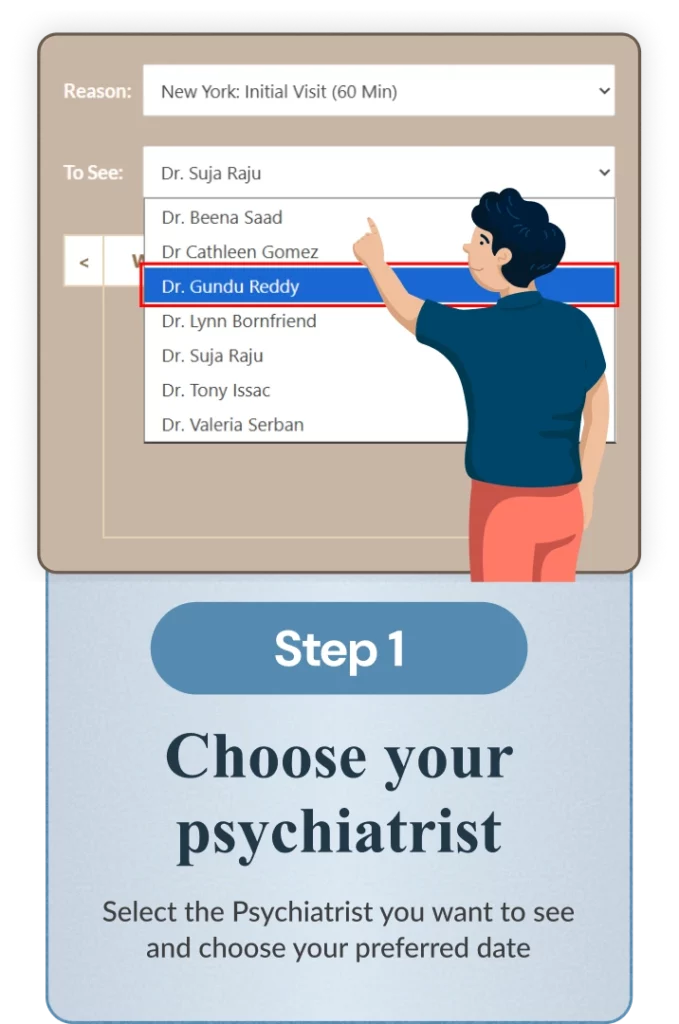
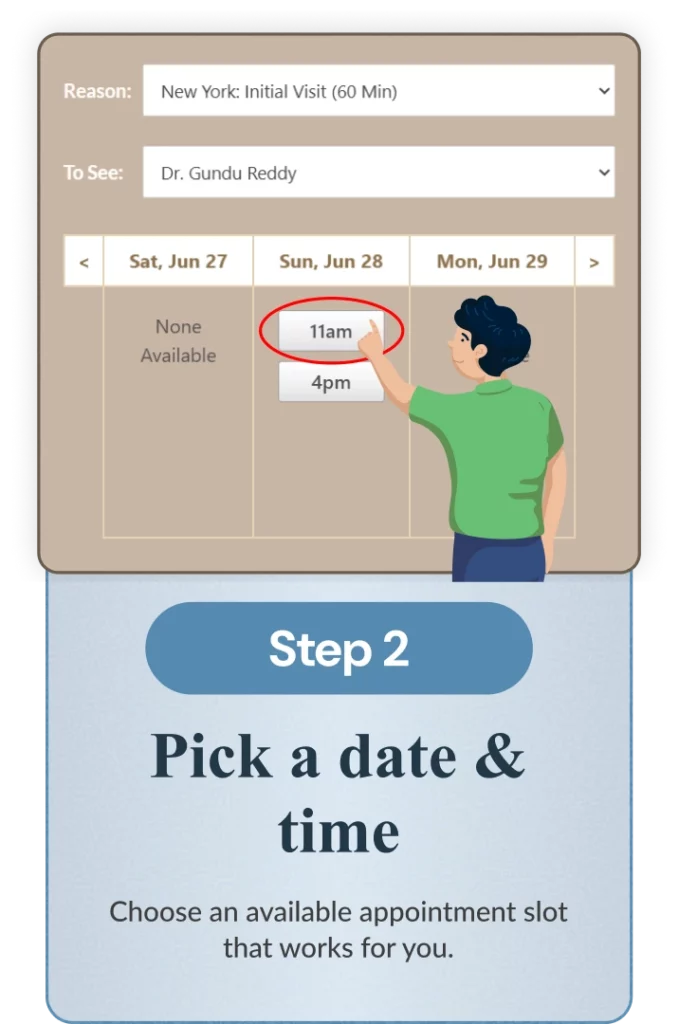

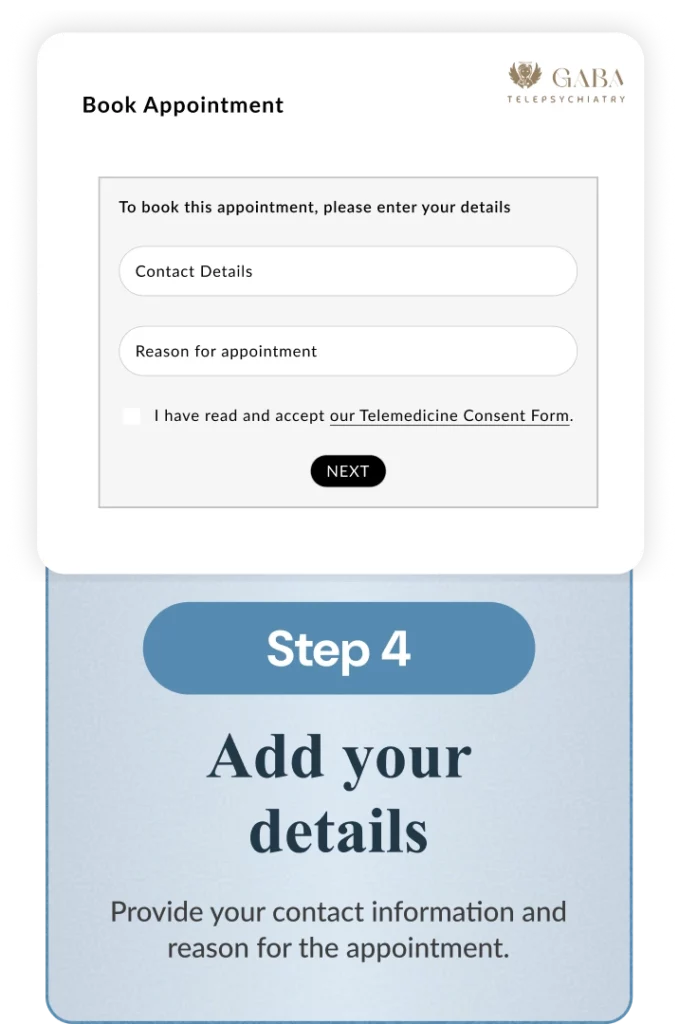

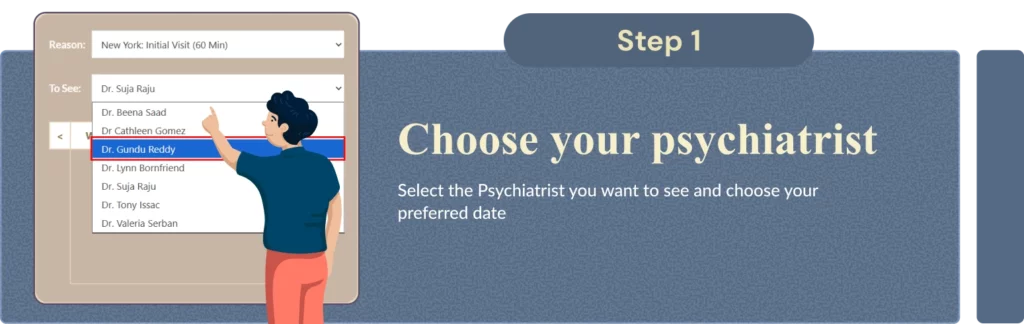




| State | Dr. Beena Saad | Dr. Tony Issac | Dr. Valeria Serban | Dr. Lynn Alison Bornfriend | Dr. Cathleen Gomez | Dr. Gundu Reddy | Dr. Suja Raju |
|---|---|---|---|---|---|---|---|
| California | Yes | – | Yes | Yes | – | Yes | – |
| Illinois | – | – | Yes | Yes | – | Yes | – |
| Florida | – | – | – | – | Yes | Yes | – |
| New Jersey | – | Yes | Yes | Yes | – | Yes | – |
| New York | Yes | Yes | Yes | – | Yes | Yes | Yes |
| South Carolina | – | – | Yes | Yes | – | Yes | Yes |
| North Carolina | Yes | – | – | Yes | – | Yes | Yes |
| Tennessee | – | – | – | Yes | – | Yes | Yes |
If you need help scheduling or have more questions,
Please call 18333124222 and ask for a patient advocate or forensic co-ordinator.
According to the National Center for Complementary and Integrative Health (NCCIH), “complementary” means unconventional therapies added to mainstream medicine, whereas “integrative” means the coordinated use of complementary and conventional approaches for the management of specific symptoms.
The NCCIH categorizes complementary approaches into three categories:
- Natural products (e.g., vitamins, probiotics, and herb supplements)
- Mind and body (e.g., yoga and meditation)
- Whole-systems approaches (e.g.,
- Ayurvedic medicine, traditional healers, or traditional Chinese medicine)
What is an Integrative Psychiatrist?
Integrative psychiatrists are medical professionals who take a holistic approach to treating mental health conditions. They encourage emotional, cognitive, physical, and spiritual well-being.
Integrative psychiatrists may use the following approach for the treatment process:

Nutrition Guidance
An integrative psychiatrist may recommend healthy eating because a nutritious diet helps in speedy recovery.

Physical Exercise
An integrative psychiatrist may recommend physical exercises according to an individual’s needs. These exercises release hormones that help calm the mind.

Breathing Exercise
An integrative psychiatrist guides patients to adapt meditation and breathing exercises.

Relaxation Techniques
An integrative psychiatrist guides patients in guided imagery. It is a relaxation technique that helps patients in minimizing stress and negative thoughts.

Alternative Treatments
An integrative psychiatrist may also recommend some massages and other alternative treatments.

Manage Medications
An integrative psychiatrist is a medical doctor who can prescribe and manage medication for mental health challenges.
Your Mental Health Wellness Matters. We Provide Specialized Integrative Psychiatry Services for Sustainable Mental Health.
Integrative Treatment Plan
Seeing an integrative psychiatrist is the better choice, as it recognizes the various causes of psychiatric symptoms. An integrative treatment plan also takes into account previous causes of treatment failures.
An integrative treatment plan may consist of the following features:
- Screening for the different causes behind psychiatric symptoms
- Educating and informing the patient about the condition
- Treating the nutritional or medical endocrine causes of symptoms such as sleep apnea
- Integrating lifestyle changes like diet, exercise and sleep hygiene
- Recognizing the most effective modality of therapy if recommended
- Selecting the most effective regime of medication
- Careful titration and monitoring of medication doses
Causes of Psychiatric Symptoms

Causes of Treatment Failure

Should I take psychiatric medication?
Most people visiting a psychiatrist or integrative psychiatrist are worried about being prescribed psychiatric medications. However, not everyone who visits a psychiatrist requires medication.
Signs that you need medication include:
- Persistent symptoms of anxiety, depression or insomnia
- Chronic fatigue
- Anorexia
- Hyperphagia
- Obsessions or compulsions
- Apathy
- Lox sex drive
- Mood swings
- Severe premenstrual symptoms with PCOS
- Hallucinations or paranoia
- Symptoms of seasonal affective disorder
- Anger or irritability
If such symptoms are affecting your performance at work or impairing your social relationships, your psychiatrist may advise you to consume medications. Your integrative psychiatrist should affirm that medications will only help you live your life to the fullest.
I had medications before, but they did not work.
If your treatment plan included medications but they did not work for you, poor response to medication could be because of:
- Inadequate medication trial, which means it was not the correct medication
- Incorrect dosing of medication
- Drug-to-drug interactions
- Nutritional deficiencies
- Endocrinological issues like menopause, PCOS, hypothyroidism or hyperthyroidism
- Sleep issues like sleep apnea
- External stressors that were unresolved
- Past trauma or PTSD
- Genetic factors
- Wrong diagnosis

I experienced side effects of psychiatric medications.
There may be reasons why you experienced side effects of psychiatric medications, such as:
- Idiopathic factors
- Slow enzyme metabolizer
- Drug-to-food interactions
- Drug-to-drug interactions
- High dose of medication
How to avoid the side effects of medication?
- Undergo screening for a family history of drug interactions
- Undergo screening for food-to-drug interaction
- Undergo screening for drug-to-drug interaction
- Consider discontinuation of the offending agent
- Slow titration

I only want to opt for natural treatments or psychotherapy.
Research has shown that cognitive behavioral therapy (CBT) and supportive psychotherapy may create similar effects on the frontal lobe on PET scans as SSRIs. Many patients experiencing the symptoms of anxiety, depression, PTSD or mild OCD may improve with psychotherapy alone.
These psychiatric conditions may improve with natural treatments such as:
- Sunlight exposure
- Exercise regime
- Nutritional supplementation
- Consuming N-Acetylcysteine
- Screening for heavy metal toxicity
- Progesterone therapy
- Going for psychotherapy
- Treating subclinical hypo and hyperthyroidism

What if I don’t want to have psychiatric medication?
It is important to recognize that no one can force you to take psychiatric medications if you do not want to, unless you are in the hospital, and often not even in that situation.
At GABA Telepsychiatry, our Online Integrative Psychiatrists will work with you to address the possible causes behind your psychiatric symptoms, such as genetic, developmental, trauma, emotional, hormonal and medical causes.
However, there may be individuals who still struggle with significant impairment and continue to be symptomatic despite undergoing psychotherapy or natural remedies. In such cases, our integrative psychiatrist will work aim to work with you to explore the correct medication and reduce side effects.
Our integrative psychiatrist combine advanced medical expertise with holistic approaches to ensure personalized and effective mental health solutions.
How does an Integrative Psychiatrist practice?
An integrative psychiatrist combines traditional psychiatric treatment with alternative therapies. They focus on identifying the root cause of the issue instead of just treating the symptoms, unlike traditional psychiatry, to deliver personalized psychiatric care addressing the root cause through a collaborative care model.
They also thoroughly examine physical health, mental health history, nutrition, sleep habits, and lifestyle factors. They are highly skilled in psychotherapy and help patients through counseling and behavioral therapies.


An integrative psychiatrist usually incorporates several lab tests into the treatment plan such as:

Hormone Testing

Micronutrient Testing

Stool Testing

Heavy Metal Testing
We offer integrative psychiatric services to promote long-term mental well-being. Our highly skilled integrative psychiatrists focus on the whole person to provide personalized mental health care.
An integrative psychiatrist follows several principles. Although these principles could vary depending on the psychiatrist, some of the common principles are mentioned below:

Optimal wellness is the goal, not just the absence of disease

Relationships have a healing power

Mind, body, and environment work as a whole

Prevention is better than cure

Focusing on innate healing power

Personalized treatment
Your mental health deserves a thoughtful and personalized approach and we are dedicated to building a healthier and happier future for you.
Difference Between Regular and Integrative Psychiatrists
An integrative psychiatrist treats multiple mental health disorders by combining medications with therapies. Regular psychiatrists often focus on treating the symptoms, while an integrative psychiatrist considers the whole person and offers multiple approaches for the treatment.
It is important to understand the difference between regular and integrative psychiatrists.
- Regular psychiatrists emphasize managing symptoms, whereas integrative psychiatrist focuses on addressing underlying causes and promoting holistic well-being.
- An integrative psychiatrist conducts longer sessions to understand the details of a comprehensive health history. While regular psychiatrists focus on the symptoms.
- Integrative psychiatrists promote more personal, trust-based relationships between the patient and provider.
Characteristics of a Regular Psychiatrist

- They focus primarily on mental health symptoms and brain chemistry
- They prescribe psychiatric medications to treat the condition
- They provide psychotherapy but do not focus on the root causes
- They do not focus on natural therapies like mindfulness practice
- They rarely consider issues like nutrition or hormones
Characteristics of an Integrative Psychiatrist

- They evaluate both mental and physical health conditions to treat the condition
- They do not completely depend on medications but also introduce holistic treatment
- They use psychotherapy and natural therapies along with medications
- They perform medical screening to identify the underlying health issues
- They consider nutrition, hormones, allergies, or heavy metal poisoning as the contributing factors
| Determining factors | Regular Psychiatrist | Integrative Psychiatrist |
|---|---|---|
| Treatment focus | Mental health symptoms and brain chemistry | Treats the whole person including physical health |
| Use of medications | Depends on psychiatric medications | Used medications carefully with natural therapies |
| Medical screening | Minimal focus on physical health | Performs detailed medical screening |
| Nutritional deficiencies | Rarely considered | Screens for nutritional deficiencies |
| Hormone evaluation | Generally not considered | Evaluates hormone imbalances |
| Psychotherapy | Provided but may be limited | Strongly focus on psychotherapy and lifestyle changes |
| Natural therapies | Rarely used | Include therapies like mindfulness |
| Root causes focus | The focus is mainly on the symptoms | Identifies and treats the root causes |
Over 90% of patients experience improved well-being with our integrative psychiatry services because their mental health is our priority.
Dr. Reddy’s understanding and empathy made me comfortable sharing my concerns. Her thoughtful insights and…Read More
practical solutions greatly improved my mental well-being. Appreciate the convenience and professionalism
I think Dr Reddy deserves a review for being a very hardworking, and dedicated doctor. She is very knowledgeable, and…Read More
cares about her patients. The staff are really conscientious about follow-up and making your life easy.
Dr. Raju is absolutely amazing. Finally a doctor that listens to what I’m saying. She truly cares about her patients. It’s difficult for me to connect with a doctor. Dr. Raju has…Read More
such a kind, warm and caring nature. It makes it so much easier to freely communicate with her. I’m so grateful I was referred to her.
FAQs
Can an Integrative Psychiatrist prescribe medication?
Yes, integrative psychiatrists are qualified to prescribe medications, but their approach significantly differs from regular psychiatrists. They first carefully assess the condition of the patient to determine the necessity of the medication.
There are certain conditions, like schizophrenia, bipolar disorder, or severe depression, that require medication. However, they may not prescribe depending on the severity of the condition, but manage the condition by providing a holistic treatment plan.
They recommend alternative therapies such as dietary changes, mindfulness, and psychotherapy to treat mild or moderate cases. Studies show that combining natural therapies with medication has shown a 30% improvement in recovery rates for patients with chronic mental health conditions.
Some of the key points are mentioned below in how integrative psychiatrists prescribe medications:
- They prescribe medications only if it is necessary to stabilize the mental health condition.
- They generally avoid prescribing medications if the condition can be managed using non-drug treatments.
- The decision to prescribe medication depends on the severity of the condition.
- They combine medications with therapies such as nutrition plans, mindfulness exercises, and counseling.
- They also monitor the effectiveness of the medication and make adjustments in doses as per the requirement.
- They carefully prescribe the medication to reduce the side effects and ensure a better quality of life for the patient.
Do Integrative Psychiatrist do genetic testing?
Yes, integrative psychiatrist often includes genetic testing as part of their comprehensive approach to treating a mental health condition. Genetic testing is important to analyze how the patient’s genes affect their response to medications and therapies. This helps in creating an effective treatment plan and minimizes the side effects, ensuring better outcomes. Studies show that genetic testing has improved medication selection accuracy by up to 50% for patients with treatment-resistant depression.
Some of the key points mentioned below about genetic testing recommended by integrative psychiatrists:
- Integrative psychiatrists use genetic testing to understand the metabolization of the medication in the body and depending on the results they create a personalized treatment plan.
- Genetic testing helps identify the medication that is most effective and has fewer side effects.
- Genetic testing reduces the trial-and-error medication approach by identifying the best medication suitable for the patient and improves the outcome.
- Genetic testing is done in cases such as for patients having complex conditions or for those who have not responded well to standard treatments.
- Integrative psychiatrists focus on a holistic approach by integrating genetic testing with the assessments of nutritional deficiencies and hormonal imbalances to provide a complete treatment plan.
- Genetic testing ensures that the therapies recommended are according to the patient’s body which reduces the risk and improves the recovery speed.
What mental health professionals can prescribe medication?
Primary-care doctors do family medicine, internal medicine, and pediatrics, too. In many states, nurse practitioners and physician assistants are also prescribers-in-collaboration. In a few states and the federal system, specially trained psychologists have limited prescribing rights. State to state.
Is integrative medicine same as lifestyle medicine?
Integrative medicine is the combination of standard medical care and evidence-based complementary therapies- such as mindfulness, nutrition, and acupuncture. Lifestyle medicine involves the daily habits of diet and exercise, sleep, stress management, and consumption of both alcohol and nicotine that play roles in the treatment and causation of disease. The two have some overlap but are different.
What is brain health?
“Brain health” refers to the state or capacity of the brain to function well, such that it can manifest memory, concentration, mood, and judgment at their best. Factors that influence it include rest, diet, exercise, social interaction, and mental activity, besides medical conditions and medicines. A healthy brain will bring about good and optimistic thoughts with steadiness in emotions.
What is medication management in mental health?
The management of medications begins with an accurate assessment and involves choosing the right drug, starting it at a safe dose, and titrating it over time. The psychiatrist monitors the response to medication benefits as well as side effects, may order laboratory tests, coordinate findings with the patient’s therapist and primary care provider, and develop a safety and follow-up plan.
Is patient-centered care the same as evidence-based care?
It is not completely true that evidence-based care is patient-centered care. Evidence-based care develops from the integration of best research evidence with clinical expertise, while patient-centered care places the goals, values, and preferences of the patient as principles in guiding treatment. The most effective treatment involves a combination of both components, supported by strict scientific evidence presented in a manner that accommodates an individual’s lifestyle.
Do lifestyle changes improve health?
Yes, a healthy sleep pattern, a balanced diet, regular physical activity, stress management, and reduced consumption of alcohol and nicotine will contribute to an individual’s overall wellness, making them feel sharper and more energetic. Just like how lifestyle changes cannot be a cure by themselves, they mitigate the symptoms to a large extent. They have to be appropriately instituted to pave the way for therapy to work, as well as drugs that are administered.
How do I get a court-ordered mental health evaluation?
Ordinarily, a forensic evaluation is ordered by a judge or attorney. Talk to your attorney about helping you get the order, and then ask her to refer you to a qualified forensic psychiatrist or psychologist. After this, you will be in a position to book your assessment and submit any relevant records that will go into forming the court report by the clinician.
Does psychiatric care have insurance coverage?
Most insurance covers mental health care, but coverage amounts and networks vary. Some people use in-network benefits, others can use out-of-network benefits, with help getting their claims processed. Check your insurance policy or call your insurer directly. The GABA team will help you with any and all claims and paperwork.
How to stop hormonal panic attacks?
Hormonal panic attacks can start suddenly, with great intensity and confusion, especially when they seem to have no clear cause or link to any known issue. This usually happens when the body’s stress path is too prepared to react and jump into action, leading to the release of hormones like adrenaline and cortisol or other reproductive hormones such as estrogen and progesterone. This hormonal action can set off a “fight-or-flight” state in the nerves, causing signs like fast heart beating, quick breathing, and swift thoughts even though there is no real danger at hand.
To acknowledge hormonal attacks does not mean you are weak or have lost control. Some techniques can be helpful, such as:
1. Slow, intentional breathing
2. Grounding your body
3. Balanced Lifestyle
4. Stress reduction practices
5. Professional support
At GABA Telepsychiatry, our Online Integrative Psychiatrists offer therapies, self-help strategies, and professional help tailored to your needs. Contact us today to learn more about how we can help and support you!
References

